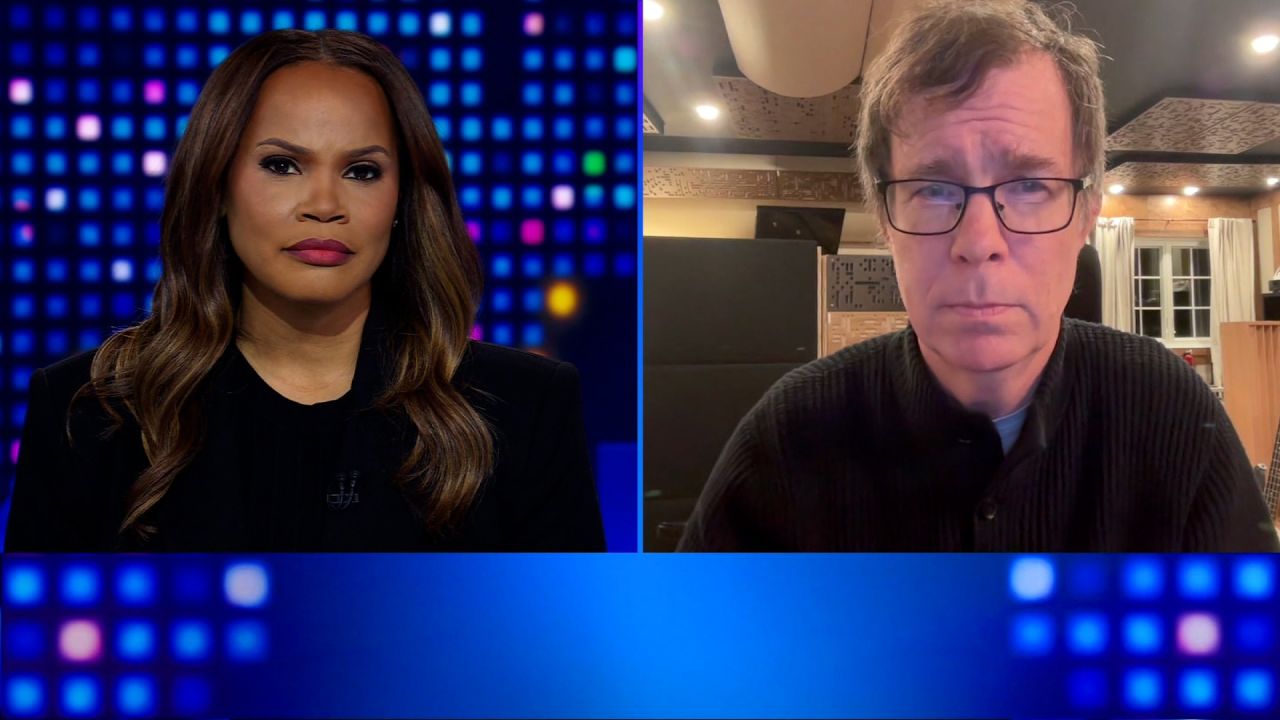
After President Donald Trump announced plans to close the John F. Kennedy Center for the Performing Arts for renovations after July 4th, former Artistic Adviser Ben Folds expressed his concerns about the future of the institution. In an exclusive interview with journalist Laura Coates, Folds stated that the Kennedy Center is currently facing significant challenges.
Folds articulated his dismay over the decision, highlighting the center’s importance to the arts community in Washington, D.C. He emphasized that the Kennedy Center is not merely a venue, but a vital cultural hub that serves many artists and audiences. “The Kennedy Center is one of the most important places for the performing arts in our country,” he remarked.
Impact of the Closure on the Arts Community
The planned closure raises questions about how long the renovations will take and the potential impact on scheduled performances and events. Folds remarked that the timing of the renovation raises concerns, particularly given the ongoing challenges facing performing arts institutions worldwide due to the COVID-19 pandemic.
According to Folds, the Kennedy Center has struggled to maintain its operations and support artists during these trying times. He noted that many organizations are already facing financial strain, and the closure could exacerbate these issues. “We need to support our artists, not hinder them,” he said, urging for a more considerate approach to the renovation plans.
Folds’s remarks come as the Kennedy Center prepares to undertake significant renovations, which are expected to last for two years. The center has been a key player in promoting the arts, hosting a wide range of performances, from ballet to contemporary music. It is unclear how the closure will affect the center’s programming and its ability to support local artists.
Looking Ahead
As the countdown to the closure begins, Folds’s insights serve as a reminder of the importance of the Kennedy Center not just to Washington, D.C., but to the cultural landscape of the entire nation. He called on stakeholders to consider the long-term implications of the closure and to engage with the artistic community in discussions about the center’s future.
The announcement has sparked a broader conversation about the role of public institutions in supporting the arts and the need for thoughtful planning in times of change. Folds’s advocacy for the Kennedy Center highlights a growing concern among artists and cultural leaders about the preservation and enhancement of crucial cultural spaces.
As the July 4th deadline approaches, the arts community watches closely, hoping that the renovations will ultimately lead to a stronger, more vibrant Kennedy Center that continues to inspire future generations.