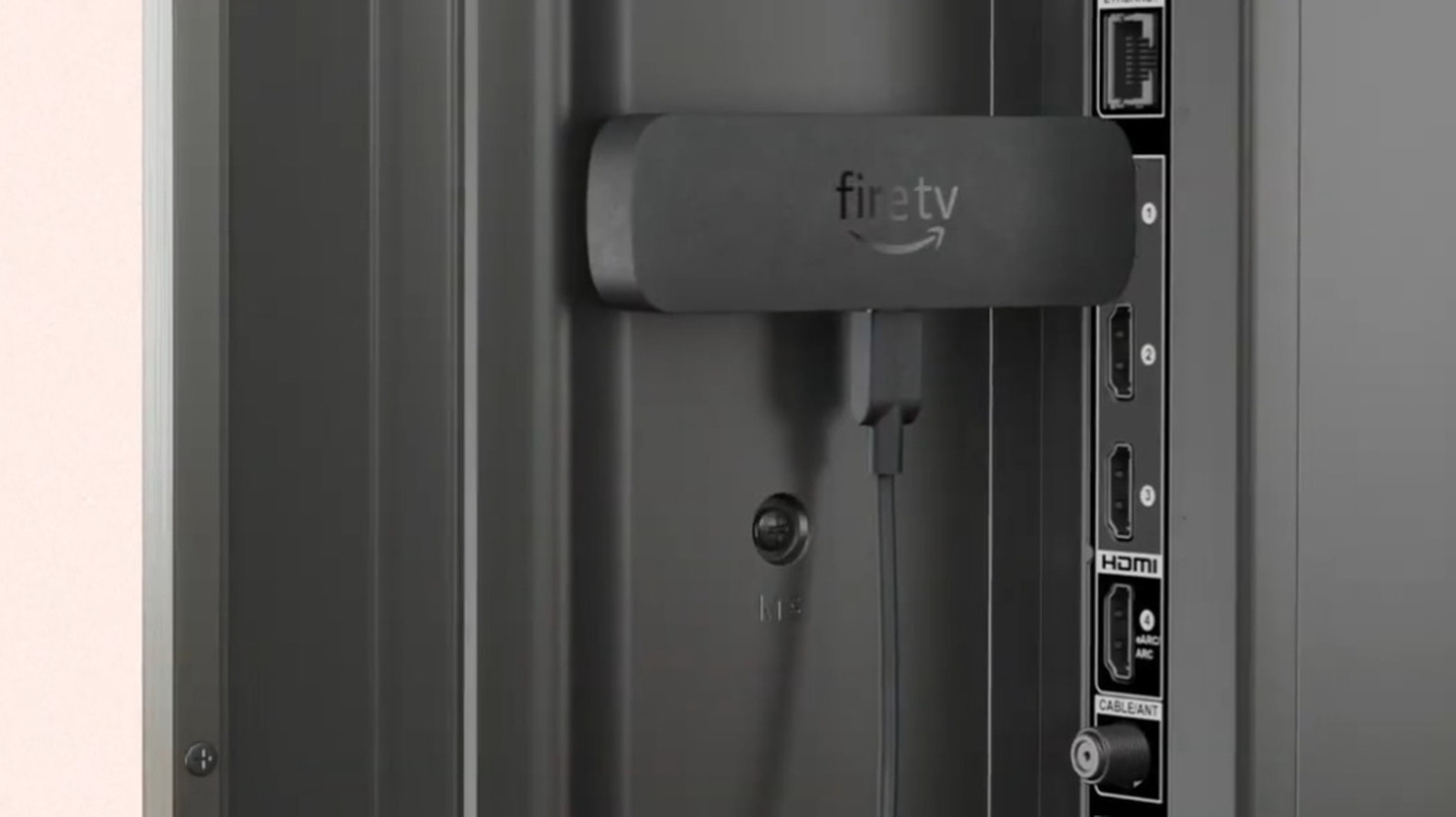
Amazon’s latest models of the Fire TV Stick, including the newly released Fire TV Stick 4K Select and Fire TV Stick HD, have garnered attention for their impressive streaming capabilities. However, they continue to rely on the outdated micro-USB port for power, raising concerns among users about the device’s compatibility with modern standards. Released in fall 2024, these devices aim to provide affordable HD and 4K streaming, along with features such as Alexa voice controls and access to nearly two million movies and television episodes.
Despite the advancements in streaming technology, the choice of a micro-USB port stands out, particularly when considering that USB-C has become the industry standard for charging and connectivity across various devices, including smartphones and laptops. The micro-USB port is increasingly uncommon, typically found only on older Android devices and budget accessories. In contrast, USB-C connectors are reversible, offer faster data transfer speeds, and can deliver significantly higher power—up to 100W compared to the 9-15W range of micro-USB.
Modern Features vs. Outdated Hardware
The reliance on micro-USB is not limited to the latest models. Other devices in the Fire TV lineup, such as the Fire TV Stick 4K Plus and Fire TV Stick 4K Max, also utilize this older technology. However, there is a notable exception in the Fire TV family: the Fire TV Cube (3rd Gen). This device features a dedicated power port, along with HDMI 2.1 input and output, USB-A 2.0, and an Ethernet port. The Cube supports 4K Ultra HD, Dolby Vision, and Wi-Fi 6E, making it a more advanced and higher-priced alternative to the simpler plug-in sticks.
While the use of micro-USB does not seem to affect streaming quality or day-to-day performance, it raises questions about the overall user experience. For a device marketed as a modern upgrade to home entertainment systems, the choice of an outdated charging method feels inconsistent with current technological trends. As the market continues to shift towards USB-C, consumers may wonder why Amazon has not updated its Fire TV Stick lineup to reflect these advancements.
Consumer Expectations and Future Implications
As more devices adopt USB-C, the expectation for future models of the Fire TV Stick will likely increase. Consumers looking for a seamless and modern streaming experience may be less inclined to invest in products that rely on older technology. This situation puts pressure on Amazon to innovate and align its products with contemporary standards.
In conclusion, while the Fire TV Stick series remains popular for its affordability and user-friendly features, the continued use of micro-USB in a rapidly evolving tech landscape may deter potential buyers. As streaming technology progresses, Amazon faces the challenge of keeping its product lineup relevant and competitive in an ever-changing market.