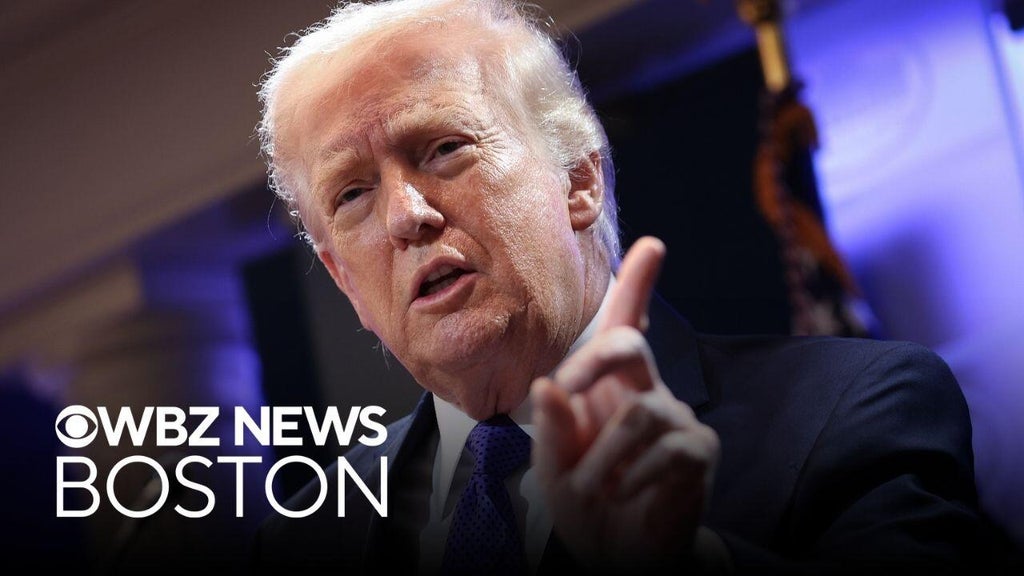
President Donald Trump has announced an increase in tariffs to 15%, a decision prompted by the recent ruling of the United States Supreme Court that invalidated a previous set of tariffs. This move is part of Trump’s ongoing strategy to reshape trade policy, particularly in light of ongoing economic challenges.
The Supreme Court’s ruling, delivered on October 1, 2023, struck down tariffs that had been in place since earlier this year, citing concerns about their legality. In response, Trump stated that the new tariffs would help protect American industries and ensure fair competition. This decision is expected to have significant implications for various sectors of the U.S. economy, especially manufacturing and agriculture.
Impact on U.S. Trade Relations
The increase in tariffs comes amid ongoing trade tensions with multiple countries, particularly those in Asia and Europe. Trump’s administration has emphasized that these tariffs are necessary to counter perceived unfair trading practices. The administration argues that raising tariffs will bolster domestic production by making imported goods more expensive, thereby encouraging consumers to buy American-made products.
Critics, however, warn that such measures could escalate trade disputes and lead to retaliatory tariffs from other nations. Economists have expressed concerns that higher tariffs could result in increased prices for consumers and businesses. Some estimates suggest that the new tariffs could cost U.S. families hundreds of dollars annually due to higher prices on imported goods.
Political Reactions and Future Prospects
The announcement has drawn a mixed response from political leaders. Supporters of Trump argue that the tariffs are a necessary step in safeguarding jobs and the economy. Senator John Barrasso from Wyoming stated, “This is a bold move that will protect our workers and industries.” Conversely, opponents, including some members of Congress, have criticized the decision as harmful to American consumers and businesses.
As the U.S. navigates this new phase in trade policy, the long-term effects of the increased tariffs remain uncertain. Analysts will be closely monitoring economic indicators in the coming months to assess the impact on growth and inflation. Trump’s administration has indicated that it will continue to pursue aggressive trade policies, suggesting that additional changes could be on the horizon.
With the global economy still recovering from the effects of the pandemic, the implications of these tariffs will be felt beyond U.S. borders. The international community is watching closely to see how this decision will influence global trade dynamics and diplomatic relations.