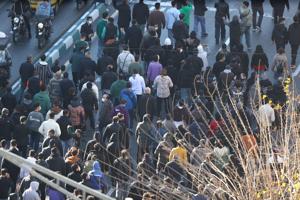
Demonstrations across Iran, ignited by a deepening economic crisis, have resulted in the death of at least seven individuals. These protests are the most significant since 2022 and have expanded from urban centers to rural provinces, reflecting widespread discontent.
The fatalities occurred in four cities, primarily home to the Lur ethnic group. As the protests spread, the Iranian government faces mounting pressure to address the economic woes affecting millions of citizens. The escalating unrest highlights the growing frustration over high inflation, unemployment, and a declining standard of living.
Widespread Discontent Fuels Protests
Starting in major urban areas, the demonstrations have swiftly spread to smaller towns and villages. Citizens are expressing their grievances over rising food prices and a currency that has plummeted in value. According to local reports, the protests began on October 1, 2023, when citizens took to the streets to voice their dissatisfaction with the government’s handling of the economy.
Witnesses in cities such as Khorramabad and Yasuj reported clashes between protesters and security forces. The situation escalated quickly, leading to a violent response from authorities. Eyewitness accounts suggest that security personnel used tear gas and live ammunition to disperse crowds, contributing to the fatalities.
Community leaders in the affected regions have called for calm and urged the government to engage in dialogue with the protesters. They emphasize the need for immediate economic reforms to alleviate the pressure on ordinary citizens.
Government Response and International Implications
The Iranian government has condemned the protests as an attempt to undermine national stability. Officials have stated that they are committed to restoring order and addressing the underlying economic issues. The Economic Minister, Ehsan Khandouzi, asserted that the government is implementing measures to stabilize the economy and will not tolerate violence.
International observers are closely monitoring the situation, as the protests could have far-reaching implications for Iran’s political landscape. The unrest draws parallels to previous movements in Iran, where citizens protested against government policies and economic mismanagement.
The potential for further escalation remains high, as citizens continue to demand accountability and reforms. The situation is fluid, and many are calling for solidarity among the Iranian populace to push for change.
As the protests unfold, the world watches to see how the Iranian government will respond to this growing tide of discontent. The events in October 2023 may prove to be pivotal in the ongoing struggle for economic stability and political reform in Iran.