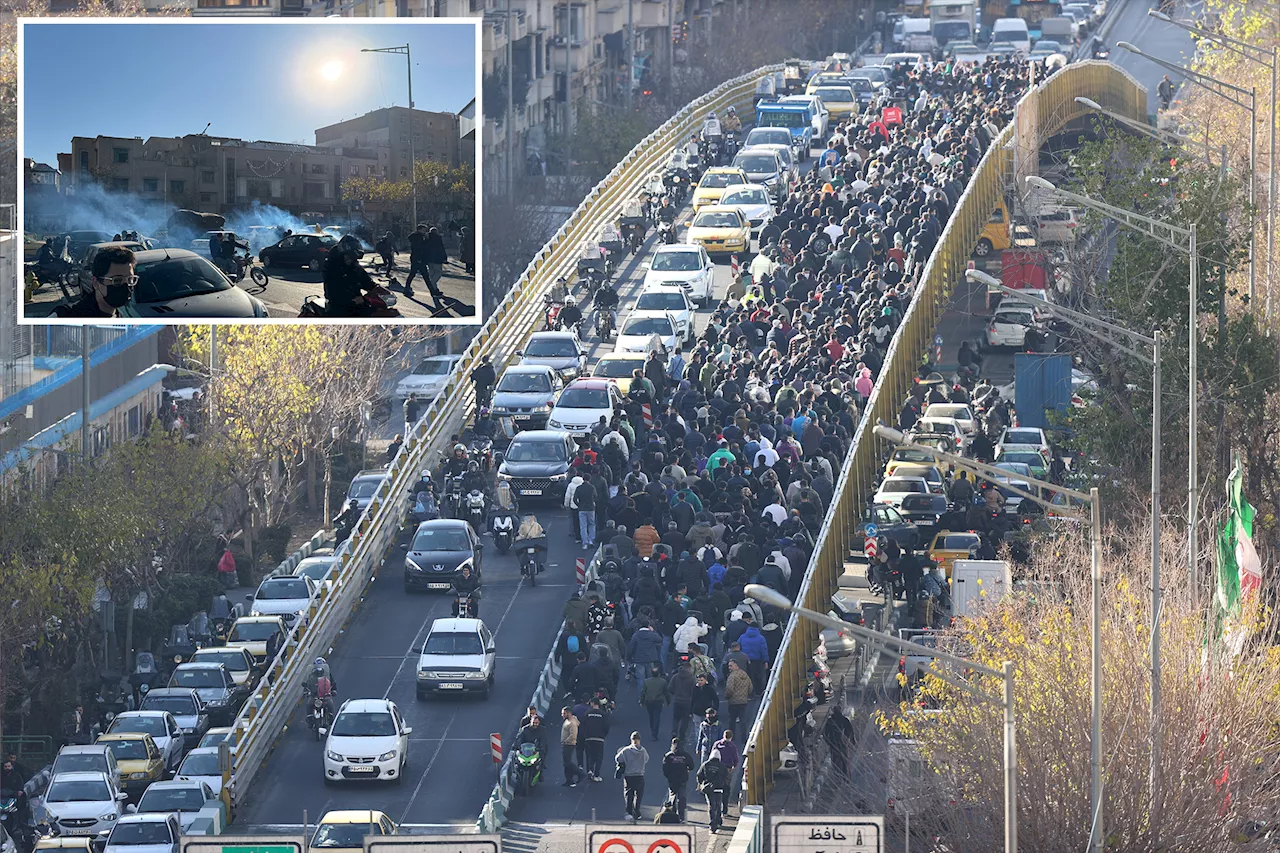
Demonstrations have erupted across Iran, fueled by widespread anger over the country’s economic turmoil. The value of the Iranian rial has plummeted to staggering lows, with the unofficial exchange rate now at approximately 1.4 million rials for $1. This crisis has provoked protests in urban and rural areas alike, where citizens are expressing their frustrations over rising living costs and governmental mismanagement.
As inflation soars, the Iranian economy is struggling under the weight of international sanctions and a shrinking gross domestic product (GDP). The situation escalated on November 23, 2023, when protests intensified in Tehran, with demonstrators blaming lawmakers for their plight. Reports indicate that the price of staples, such as rice, has skyrocketed to 4 million rials per kilogram, approximately $3.56 per pound, marking a significant increase from previous months.
The protests have largely centered around the bazaars, crucial hubs for daily commerce in Iran. Shopkeepers and consumers have united in their calls for governmental accountability, chanting slogans like “Death to the dictator,” in a direct challenge to the leadership of Ali Khamenei. The waves of unrest have led to the closure of businesses, universities, and government offices, highlighting the deepening discontent.
In recent clashes between protesters and security forces, reports have emerged of fatalities. According to the state-run IRNA news agency, a 21-year-old member of the Revolutionary Guard’s Basij force was killed during a protest, which the government attributed to rioters. Additionally, the Abdorrahman Boroumand Center for Human Rights in Washington has identified two other fatalities among protesters during demonstrations in Lordegan.
The Iranian authorities have attempted to frame the unrest as the result of foreign interference. Mohammad Pezeshkian, an Iranian politician, stated that external forces are seeking to destabilize the nation through economic pressure. He asserted, “You cannot conquer a nation with bombs, fighter jets, or missiles,” emphasizing the resilience of the Iranian people against such pressures.
Despite the government’s defensive posture, the economic realities remain dire. The inflation rate has surged to 48.6%, significantly impacting the purchasing power of ordinary Iranians. Many citizens are frustrated by their inability to afford basic necessities, as highlighted by a shopper in Karaj who lamented, “Now we can’t even afford rice.”
While the demonstrations in Tehran seem to have slowed, they have gained momentum in other regions, leading to increased violence. The Iranian leadership faces a critical challenge as it navigates the fine line between addressing the economic crisis and maintaining control over a restless populace. The ongoing situation underscores the urgent need for effective economic reforms and a responsive governance structure to alleviate the mounting pressures facing Iranian citizens.