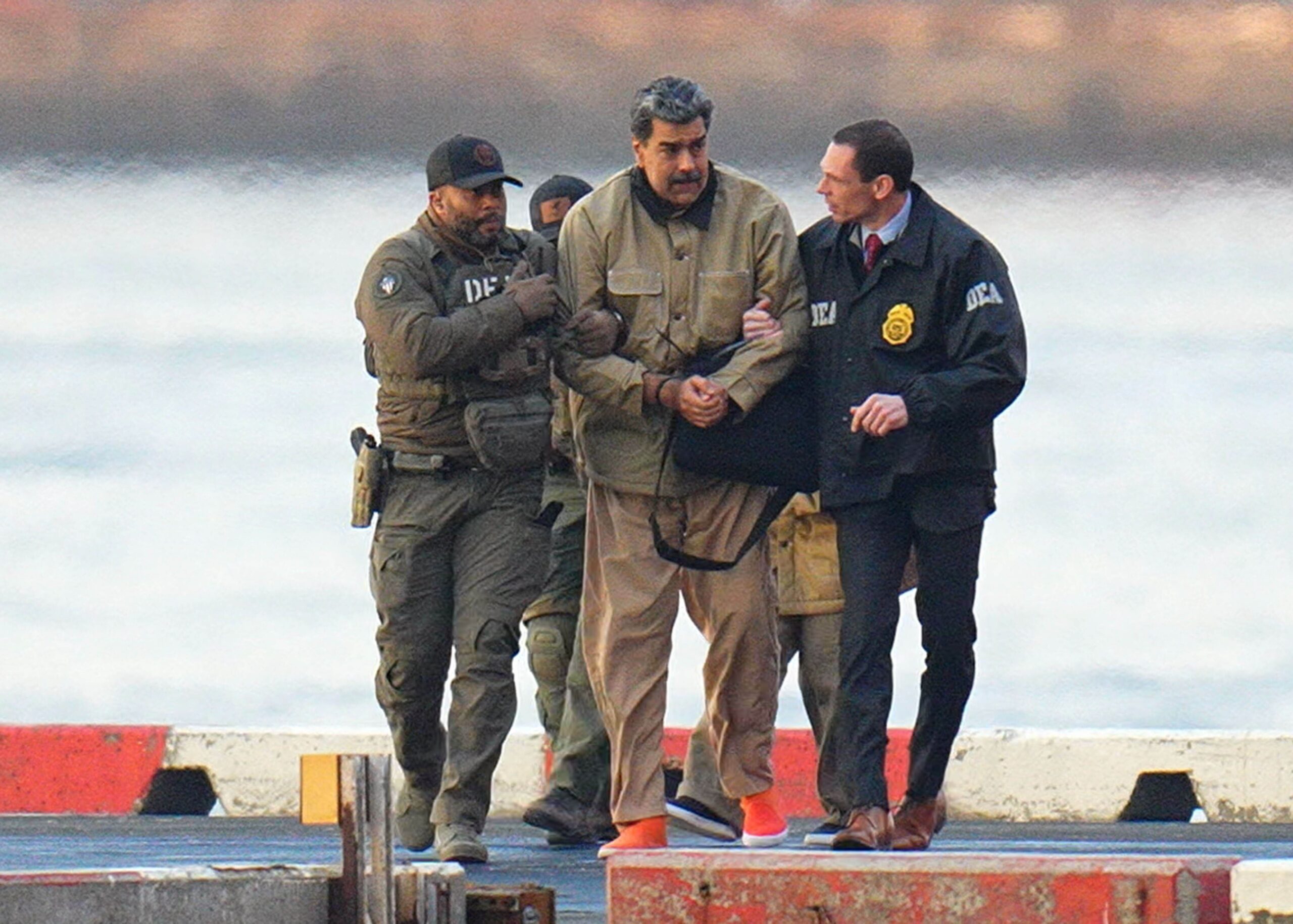
A mystery trader has reportedly turned a modest investment into nearly $410,000 by betting on the U.S. operation to seize Venezuelan President Nicolás Maduro, which occurred just hours after the last wager was placed. This unexpected financial windfall raises questions about the integrity of trading practices on cryptocurrency-based prediction markets, particularly in the context of sensitive political operations.
The anonymous investor opened an account with Polymarket in late December 2023, starting with a modest bet of approximately $96 on December 27. Over the following week, the trader escalated their wagers significantly, culminating in a substantial surge on January 2. The final bet was placed at 21:58 ET, just hours before the U.S. operation targeting Maduro commenced. At the time of the last wager, the contracts predicting Maduro would be ousted by January 31 were trading at around 8 cents, suggesting only an 8 percent chance of success.
As news broke of the U.S. military’s actions in Caracas, the value of these contracts soared. The trader transformed their initial investment of about $34,000 into a profit of nearly $410,000, achieving a remarkable return on investment.
Market analysts are scrutinizing the trading patterns, which they characterize as suspicious due to the rapid accumulation of bets and the timing relative to the covert operation. Tre Upshaw, founder of Polysights, remarked that the activity resembles typical behavior associated with insider trading. He stated, “It’s more likely than not that this was an insider. That’s a lot of money to put in at that price, without a lot of news.”
The operation’s secrecy has been underscored by Donald Trump, who explained his decision to forgo congressional approval due to concerns that lawmakers would leak information. Trump indicated that only a select group—including Vice President JD Vance, Defense Secretary Pete Hegseth, and Secretary of State Marco Rubio—were privy to operational details before the mission was executed.
Amid mounting scrutiny, questions arise regarding who else may have had access to classified intelligence about the operation. Legal experts suggest that the wallet used for the wagers, identifiable only by a series of numbers and letters, complicates the investigation. Noah Solowiejczyk, a partner at Fenwick & West, noted that while U.S. officials misusing government information could face prosecution, pursuing a foreign trader operating outside U.S. jurisdiction may present challenges.
The controversy has sparked reactions on Capitol Hill, with Representative Ritchie Torres announcing plans to introduce legislation aimed at prohibiting federal officials from engaging in prediction markets when they possess or can access nonpublic information.
In response to the unfolding situation, Shayne Coplan, Polymarket’s founder and CEO, defended the platform’s integrity, asserting that any suspicious activity is quickly flagged by the community. “The moment there is a suspected insider, it’s pointed out, and it’s visible on Polymarket immediately,” he stated.
As the investigation continues, stakeholders are keenly observing the implications for both the trader’s activities and the operational integrity of the markets involved. The ramifications of this incident may extend beyond individual financial gain, potentially influencing regulatory measures in the future.