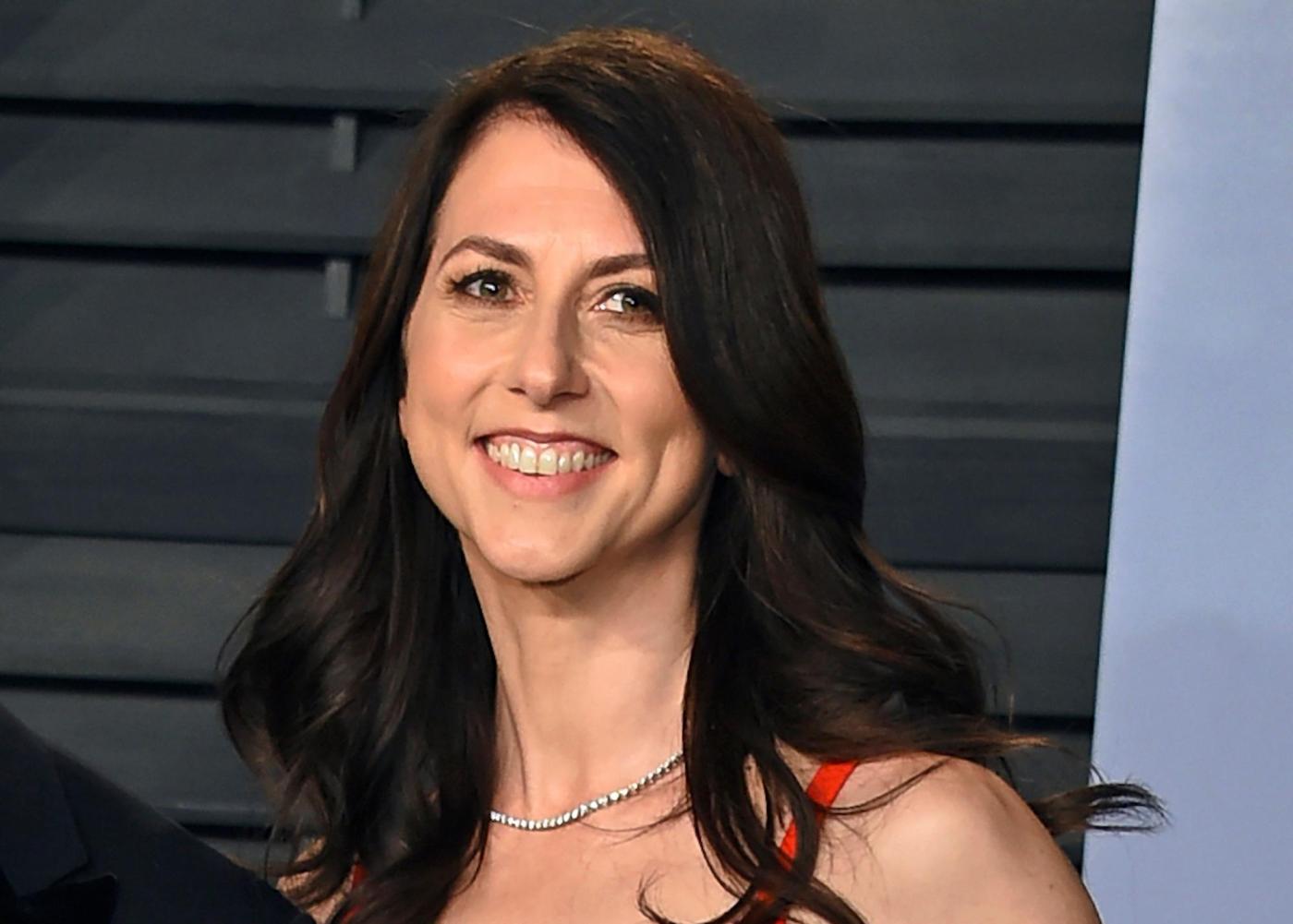
MacKenzie Scott has announced a remarkable donation of $7.1 billion to nonprofits in 2025, bringing her total contributions since 2019 to an impressive $26.3 billion. This latest round of funding underscores her commitment to supporting higher education and climate action initiatives, marking a significant focus in her philanthropic strategy.
Scott, an author and philanthropist, began her journey of giving following her divorce from Amazon founder Jeff Bezos. Since then, she has opted for a unique approach to philanthropy, providing large, unrestricted gifts to nonprofits without requiring applications or progress reports. Although her primary focus has been on organizations within the United States, her contributions are not limited to this region.
Focus on Education and Climate Action
In her 2025 donations, Scott has placed a strong emphasis on funding colleges and universities, particularly historically Black colleges and tribal institutions, as well as community colleges. Notably, she allocated at least $783 million to historically Black colleges and universities (HBCUs) this year.
The list of recipients also highlights a significant commitment to climate organizations, with her largest donation of $90 million directed towards the Forests, People, Climate initiative, which aims to combat tropical deforestation. According to analysis from Panorama Global, Scott’s previous environmental contributions had represented only a small fraction of her overall giving. In 2024, just 9.4% of her donations went to environmental causes, though they were generally larger in size compared to other sectors.
Gabrielle Fitzgerald, founder and CEO of The Panorama Group, noted the evolving focus of Scott’s philanthropy. “What we’re now seeing is different years have different focus areas,” she said. “Last year, there was a really big economic security focus. This year, I really see education and climate.”
Continued Growth Despite Generosity
Scott’s net worth has seen fluctuations over the years, yet it remains substantial. Initially valued at around $36 billion when she began detailing her donations in 2020, her current net worth is estimated at $33 billion, despite her giving away more than $26 billion.
While Scott initially advised organizations not to expect repeat funding, she has increasingly invested in some of the same nonprofits. For example, the organization CAMFED, which supports girls’ education in African nations, has received four separate gifts from Scott, including a record $60 million in 2025.
Scott’s dedication to funding educational initiatives is evident, with her donations targeting institutions committed to community engagement and consistent leadership. Marybeth Gasman, a professor at Rutgers University and expert on HBCUs, remarked on Scott’s interest in institutions that are deeply embedded in their communities.
The unrestricted nature of Scott’s donations allows recipients the flexibility to allocate funds as they see fit, a rarity among major donors who often impose specific conditions. Research from the Center for Effective Philanthropy indicates that concerns regarding the misuse of Scott’s funds have largely been unfounded. Her team conducts thorough research and vetting of organizations before making contributions.
Unrestricted funding empowers nonprofits to adapt, innovate, and sustain operations, even during challenging circumstances. For instance, after funding cuts from the U.S. Agency for International Development during the Trump administration, Village Enterprise utilized a grant from Scott to maintain essential anti-poverty programs.
Fitzgerald observed that Scott’s philanthropic philosophy focuses on highlighting the contributions of others rather than positioning herself at the center of her giving. “In her essays, she’s always talking about other stakeholders and other people’s contributions,” she noted, contrasting her approach with that of many other prominent philanthropists.
As Scott continues her philanthropic journey, her latest donations reflect a commitment to addressing pressing issues in education and climate change, reinforcing her role as a significant figure in contemporary philanthropy.