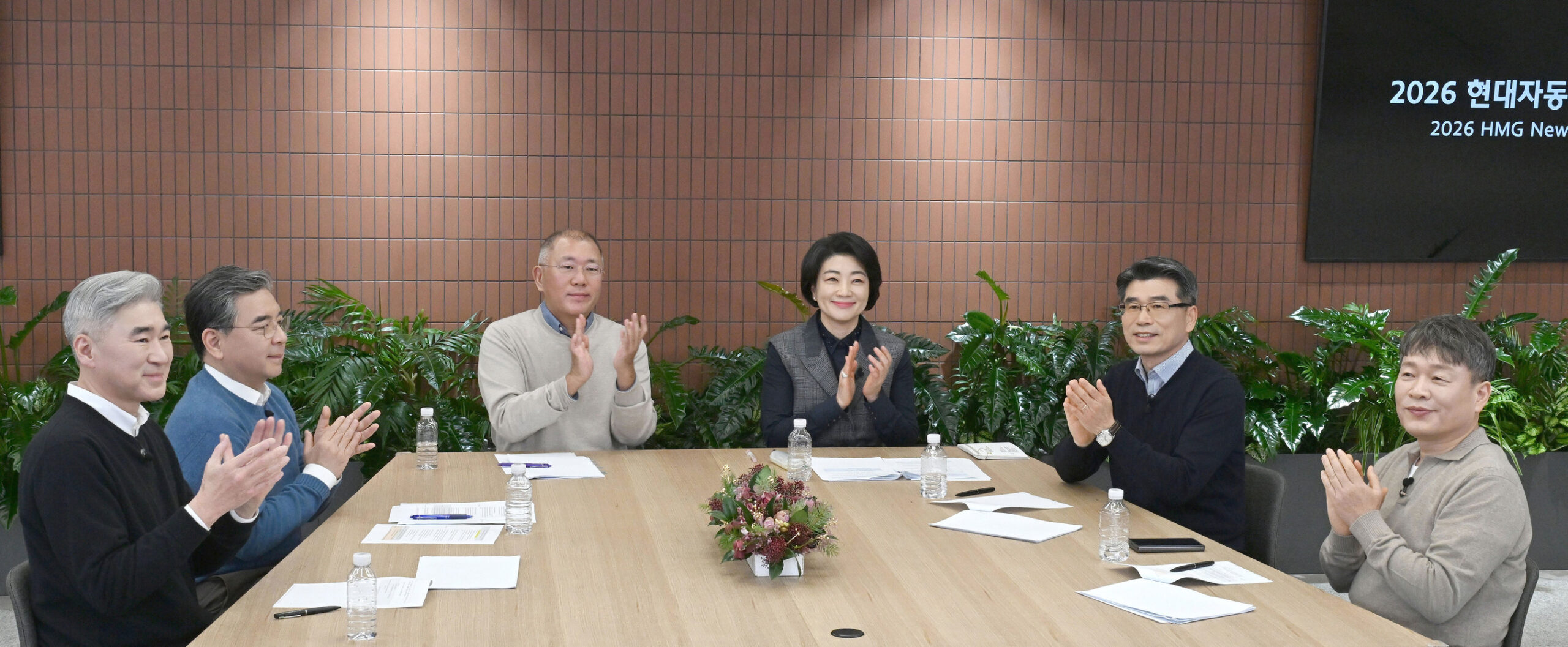
Hyundai Motor Group has revealed its strategic vision for 2026, focusing on customer-centric transformation and the integration of artificial intelligence (AI) within its operations. During a presentation to global employees on January 4, 2026, Executive Chair Euisun Chung outlined five key strategic priorities aimed at adapting to the rapidly changing market landscape and setting new industry standards.
Chung’s presentation emphasized the importance of understanding customer needs and strengthening partnerships across various sectors. He acknowledged the challenges faced in 2025 and expressed gratitude for the dedication of employees and the loyalty of customers. “The coming year will present both challenges and opportunities,” he noted, stressing the necessity for continuous evolution based on customer insights.
Key Strategic Priorities for 2026
The five strategic priorities highlighted by Chung include customer-focused evolution, agile decision-making, ecosystem competitiveness, bold collaborations, and leadership in setting new industry standards. This framework aims to enhance Hyundai’s adaptability to market changes and its overall competitive edge.
Chung encouraged employees to evaluate their operations from the customer’s perspective. He posed critical questions about their processes, urging them to reflect on whether customer viewpoints were adequately considered in product development. “Through these questions, we can look back upon ourselves squarely and strive for progress,” he stated, reinforcing the importance of resilience in the face of competition.
Emphasizing Agile Decision-Making and Ecosystem Strength
A significant theme of the discussion was the need for agile decision-making throughout the organization. Chung called for leadership to engage directly with employees and understand the realities of operations. He advocated for faster communication and a reduction in bureaucratic processes, stating, “What matters most is fast and clear communication, and agile decision-making that is free from formality.”
Chung also stressed the importance of a robust supply ecosystem, noting that Hyundai’s various businesses, including vehicle and humanoid robot manufacturing, depend on thousands of components. He stated, “The strength of our supply ecosystem directly amplifies our competitive advantage. Sustainable growth is possible only when the whole ecosystem stays healthy.”
With the automotive industry undergoing significant transformation, Chung pointed to the critical role of AI in shaping future competitiveness. He emphasized that Hyundai is committed to advancing through bold collaborations with diverse partners, particularly in the AI sector. “We’ve entered an era where core product competitiveness is determined by AI capabilities,” he said, affirming the Group’s intention to harness its design and manufacturing expertise alongside valuable data from its operations.
Chung expressed confidence in Hyundai’s ability to excel in the physical AI domain, suggesting that expansion of collaborative efforts would enhance the industrial ecosystem and ultimately benefit customers. “If we envision a bigger future and boldly expand collaboration with various partners, I am confident we will deliver greater value to customers,” he concluded.
For further information about Hyundai Motor Group, visit their official website at http://www.hyundaimotorgroup.com or the Media Hub by Hyundai, Kia Global Media Center at kianewscenter.com.