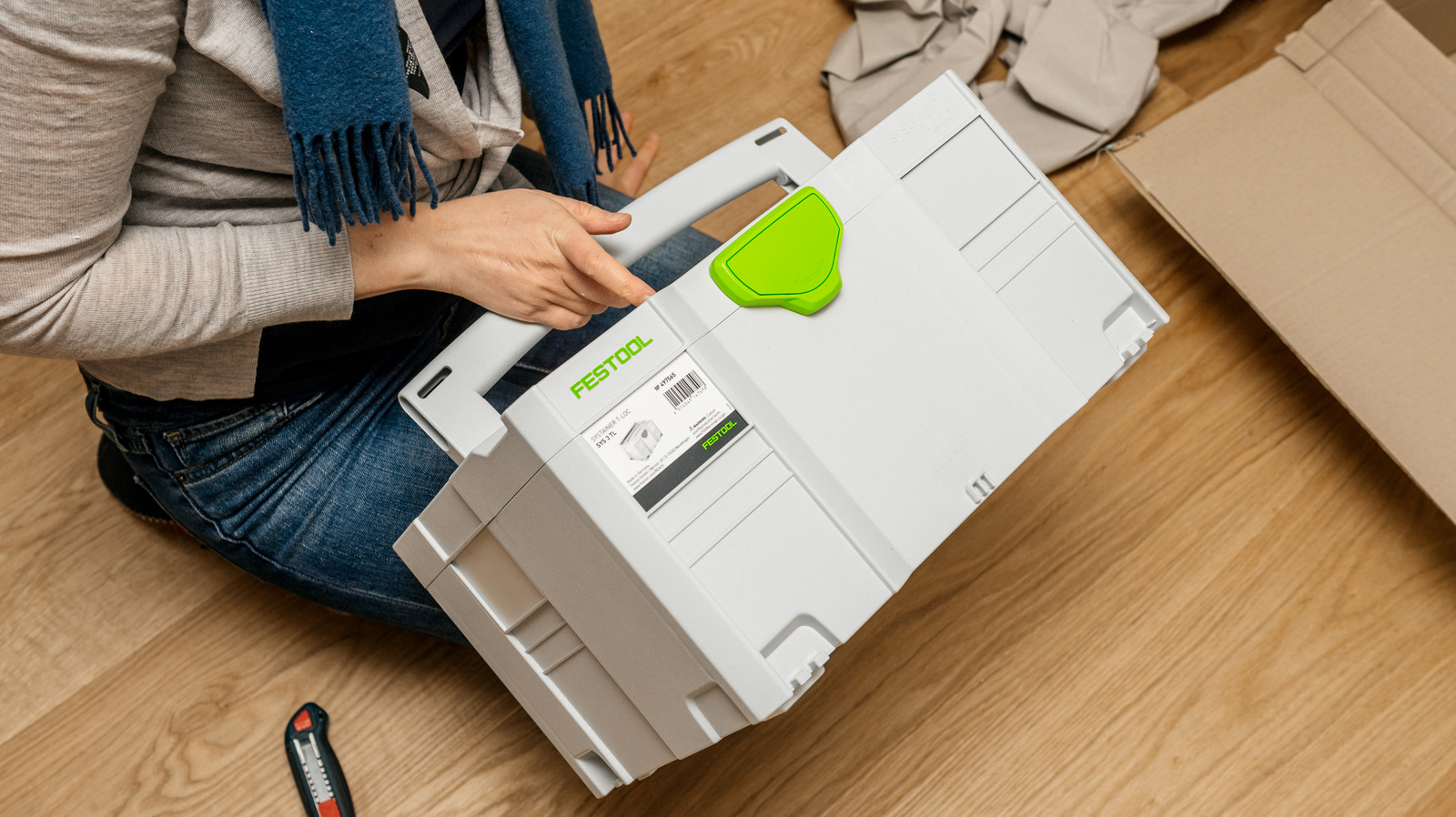
The German tool manufacturer Festool has established itself as a prominent player in the power tool industry, with approximately 80% of its products manufactured in Germany. Founded in the 1920s, the company stands out for its commitment to local production in an era dominated by global supply chains and outsourcing.
Festool’s origins trace back to 1925 when founders Albert Fezer and Gottlieb Stoll launched the company initially named Fezer & Stoll. Over the decades, it underwent various rebrandings, becoming Festo and later Festo Tooltechnic in 1992 before finally adopting the Festool name in 2000. Despite the changes in branding, the essence of the company has remained consistent.
German Roots and Production Facilities
The company maintains its headquarters in Wendlingen, located in the Baden-Württemberg region, where it was established. This site is not only the administrative hub but also hosts research and development, logistics, and quality assurance functions. The company’s production facilities are strategically located nearby, including the notable plants in Neidlingen and Weilheim an der Teck.
The Neidlingen plant is recognized as a leading production hub, having received accolades such as “Factory of the Year.” Similarly, the Weilheim facility, covering over 10,000 square meters, represents modern manufacturing capabilities. Another important site is the Illertissen plant in Swabian Bavaria, which specializes in the development and production of mobile dust extractors.
In addition to its German operations, Festool also manufactures in the Czech Republic at its facility in Česká Lípa. This plant focuses on large-volume production while adhering to the same high standards as its German counterparts.
Expansion to the U.S. Market
Festool has also made significant strides in the United States. The company operates its U.S. headquarters in Lebanon, Indiana, where it produces guide rails for routers, track saws, and jigsaws. This expansion into the U.S. market reflects Festool’s strategy to maintain a robust presence in the global tool industry.
Throughout its long history, Festool has remained a family-owned entity, reflecting a commitment to quality and craftsmanship. The company’s dedication to maintaining production in Germany sets it apart from many competitors who have moved operations abroad in search of lower costs.
In conclusion, the story of Festool is characterized by its steadfast commitment to quality manufacturing in Germany, its rich historical roots, and its strategic expansion into new markets. This focus on local production and innovation positions Festool as a reliable choice for professionals and DIY enthusiasts alike.