Collaborative efforts among students, faculty, and local organizations are significantly advancing the restoration of the native Olympia oyster along the Southern California coast. Professor and marine ecologist Danielle Zacherl from California State University, Fullerton (CSUF) has spearheaded this initiative, emphasizing the importance of teamwork in revitalizing local oyster beds that have suffered due to pollution, overharvesting, and habitat destruction.
Local Restaurants Join the Cause
In a recent development, local restaurants have begun donating discarded oyster shells, a crucial resource for the restoration project. After collection, these shells are cleaned, dried, and strung together by Zacherl’s students and volunteers from Orange County Coastkeeper. During the oyster reproductive season, typically from April to September, these strings are deployed at public docks to provide surfaces for oyster larvae to attach and grow.
“This spring, OC Coastkeeper, with my students assisting, will deploy shell strings in Alamitos Bay, Huntington Harbor, and Newport Bay,” Zacherl explained. She has been teaching marine biology at CSUF since 2003 and has concentrated her research on oyster restoration since 2010.
The decline of the Olympia oyster, the only native oyster species on the West Coast, has raised concerns among environmentalists. According to the Native Olympia Oyster Collaborative, their population has dwindled due to various environmental pressures. These oysters play a vital role in the marine ecosystem by filtering water, reducing shoreline erosion, and creating habitats for marine life.
Student Involvement and Research Contributions
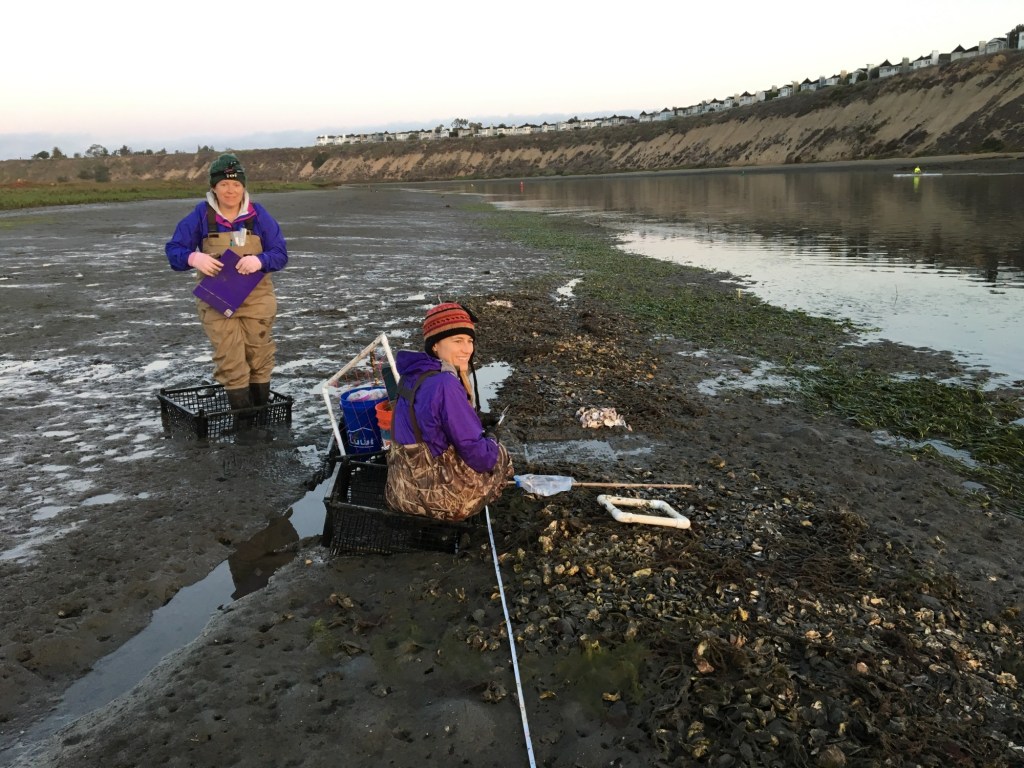
Students at CSUF are actively engaged in the restoration process, gaining hands-on experience while contributing to scientific research. Graduate students Leeza-Marie Rodriguez and Dan Gifford are currently assessing oyster recruitment strength by analyzing recruitment plates that were set out last summer in the Seal Beach National Wildlife Refuge. Their findings will help inform future restoration efforts.
Through a partnership with Kaysha Kenney, a former student of Zacherl who became the marine restoration director at OC Coastkeeper in 2024, the project has expanded significantly. Kenney initiated the outreach to local restaurants, resulting in thousands of pounds of oyster shells being collected for restoration. “I currently partner with 10 local restaurants and OC Coastkeeper staff,” she noted, highlighting the collaborative nature of the project.
The initiative is part of OC Coastkeeper’s broader Living Shorelines Project, which aims to enhance coastal ecosystems through community involvement and scientific research. “The Living Shorelines Project is a true collaboration between OC Coastkeeper, Dr. Zacherl at CSUF, and Dr. Whitcraft at CSULB,” Kenney added, showcasing the cooperative spirit of the effort.
Zacherl is enthusiastic about the public engagement that the project has generated. She aims to raise awareness about the ecological significance of oysters and their habitats. “We wanted to get the public interested and learn how important the oyster shell is,” she stated. This educational approach aligns with the goals of OC Coastkeeper to protect local waterways.
As the project progresses, Zacherl’s students are also exploring factors that contribute to the decline of oyster beds and identifying optimal environments for oyster growth. This research is critical for ensuring the long-term survival of the Olympia oyster in Southern California.
Through these collaborative efforts, CSUF, OC Coastkeeper, and local restaurants are not only working to restore vital ecosystems but also fostering a sense of community involvement in environmental stewardship. The restoration of the Olympia oyster is a testament to the power of teamwork in addressing ecological challenges.