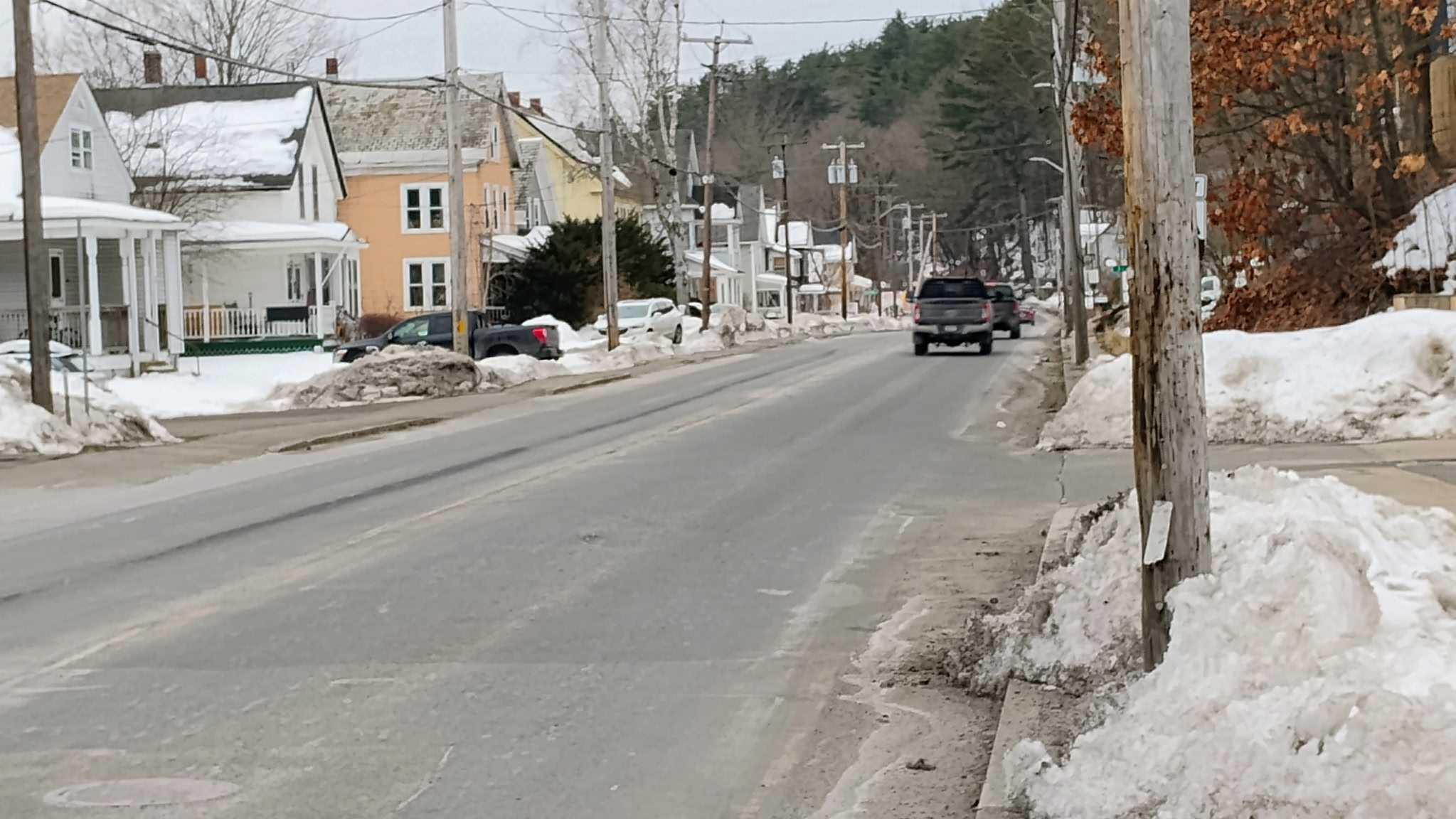
A recent study on the Route 2A corridor has been presented to the Economic Development and Industrial Corporation (EDIC) in Athol. The study, conducted by the Montachusett Regional Planning Commission (MRPC), aims to assess infrastructure and land development options from the South Main Street Bridge to the Orange town line. This initiative is funded by the state’s District Local Technical Assistance (DLTA) Program.
The Planning and Community Development Director, Eric Smith, highlighted the significance of the area’s potential for development. “Some of this area along Route 2A, we actually rezoned it a few years ago. There’s a lot of land on the hillside that has some frontage on 2A,” he explained. Smith noted that many properties are privately owned, and discussions with landowners will be essential to unlock development opportunities. He emphasized the need for infrastructure improvements, stating, “Putting infrastructure on the hillside is obviously going to cost some money.”
The study also evaluated existing infrastructure challenges. Smith pointed out that the sewer line ends near the old greenhouse at the 501 South Main Street property owned by Peter Gerry. Additionally, there are water pressure issues that need addressing. Improving these utilities is expected to stimulate economic development in the corridor.
Demographic trends were another focus of the MRPC study. Smith reported an increasing demand for “flex industrial” spaces, which combine office areas with working bays for contractors. “This allows people to rent or lease the space rather than trying to run that kind of business out of their home,” he noted. The commission received positive feedback about this concept, indicating potential growth in this sector.
The EDIC members also expressed interest in adapting these facilities for indoor recreational uses. Further zoning suggestions will be considered as part of the planning process, with recommendations going to the Planning Board for consideration.
In terms of next steps, Smith mentioned the need to explore zoning issues further and incorporate broader recommendations into the Master Plan. “When we get the final report, we’ll share that with the Master Plan Committee and the EDIC, and try to move some ideas forward,” he said.
Also involved in the discussion, Keith McGuirk, Chair of the Athol EDIC, emphasized the importance of collaboration. He noted that last year, his group met with members of the Orange EDIC to discuss potential joint projects. “One of the things that came up was the idea of studying available developable sites between Athol and Orange on Route 2A,” McGuirk said.
Despite the collaborative spirit, McGuirk explained that Orange could not participate in the study due to grant restrictions related to county affiliations. “We wanted to see something that would benefit both towns, but the grant rules were such that they weren’t able to participate,” he added. Nevertheless, the study proceeded, focusing on the development possibilities in the area, whether for housing or commercial ventures.
Smith reiterated that the ultimate goal of the Route 2A corridor project is to expand the economic and commercial base in Athol, paving the way for future growth and opportunity. The insights gained from this study will serve as a foundation for ongoing discussions about the area’s potential.