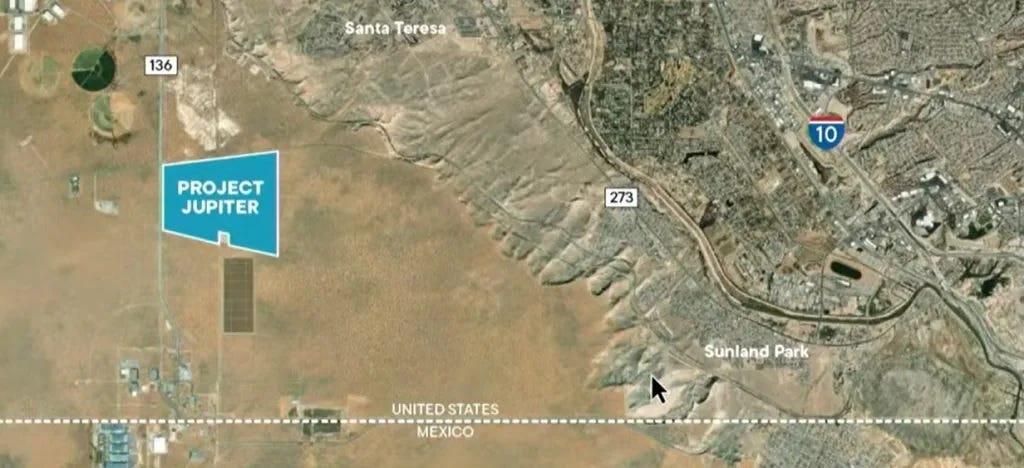
Acoma LLC is under scrutiny for its air quality applications related to two proposed natural gas-powered microgrids intended to supply energy to Project Jupiter, a large AI data center being developed near Sunland Park, New Mexico. The company, which only recently established operations in the state, has submitted requests that could significantly increase air pollution in an area already grappling with health risks associated with poor air quality.
The New Mexico Environment Department (NMED) initially deemed Acoma’s applications “administratively incomplete” in November due to errors in emissions modeling and insufficient detail regarding pollution controls. Despite these findings, a month later, the NMED accepted revised applications that appear to continue to downplay the environmental impact of the microgrids.
Concerns Over Air Quality and Regulatory Compliance
The proposed microgrids, located merely two miles apart, are classified by Acoma LLC as separate pollution sources. This classification aims to circumvent more stringent regulatory reviews that would be triggered if both were treated as a single source. Yet, both microgrids are managed by the same corporate entity, BorderPlex, which is also developing Project Jupiter. This raises questions about the integrity of the applications and whether they are being manipulated to minimize regulatory oversight.
The potential environmental impact of the microgrids is alarming. If approved, they could emit thousands of tons of toxic chemicals each year, including nitrogen oxides and volatile organic compounds, further exacerbating air quality issues in Sunland Park, which is already designated as a nonattainment area for air pollution. This situation threatens the health of local families who are already at risk from existing pollution levels.
Public Response and Regulatory Oversight
Regulatory decisions often reflect broader economic interests, and the substantial investment of approximately $165 billion in state bonds for Project Jupiter raises concerns about potential conflicts of interest within the NMED. Governor Lujan Grisham has publicly supported the project, emphasizing its significance for New Mexico’s economic future. Critics argue that such endorsements could unduly influence regulatory decisions, prioritizing economic development over public health.
Fortunately, there is an opportunity for community involvement. A public comment period is currently underway, allowing residents and stakeholders to voice their opinions on the applications until March 2, 2026. The NMED is required to consider all comments received, and public engagement is vital in holding state leaders accountable for environmental health standards.
As this situation unfolds, it is crucial for New Mexico’s residents to remain vigilant and proactive in advocating for their health and environment. The outcome of Acoma LLC’s applications could have lasting implications for air quality and public health in the region, making informed public participation essential.