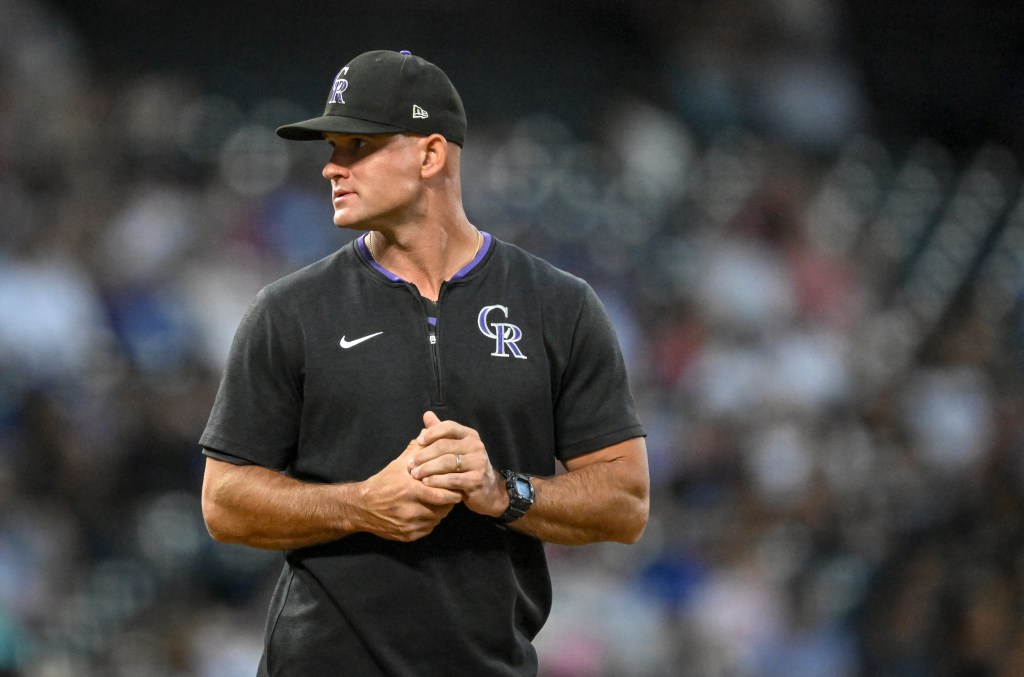
The Colorado Rockies have decided to retain Warren Schaeffer as manager, a move that follows a disappointing season in which the team lost a staggering 119 games. This decision, made by Paul DePodesta, the club’s president of baseball operations, has drawn criticism from fans and analysts alike, who question the choice to keep anyone associated with last season’s failures.
The Rockies’ previous season was characterized by poor performance and disappointing outcomes, leading many to wonder how the franchise could advocate for a fresh start while retaining personnel linked to such a tumultuous year. Despite the criticism, DePodesta appears to be taking a long-term approach, aiming to establish a foundation for the future rather than seeking immediate fixes.
Strategic Decision Amid Rebuilding Phase
Retaining Schaeffer suggests that DePodesta is focused on more than just the immediate results. The Rockies are not in a position to contend for the playoffs, and this season is viewed as an opportunity to assess talent and develop young players. Schaeffer’s role will likely be more akin to that of an instructional league coach, providing the structure and discipline needed for the team’s younger roster.
DePodesta’s previous experience, including his role in securing quarterback Deshaun Watson in Cleveland, reinforces his reputation for making calculated decisions. While retaining Schaeffer may seem counterintuitive, it reflects a commitment to continuity in a time of significant transition for the organization.
The Rockies face a daunting challenge ahead, particularly as Major League Baseball (MLB) approaches a potential labor stoppage in December. With this context, it becomes clear why DePodesta is prioritizing stability over drastic changes. The organization must focus on rebuilding its minor league systems, enhancing coaching staff, and improving scouting efforts.
Future Implications and the Path Forward
As the Rockies look toward the future, the emphasis will be on developing talent rather than merely filling roster spots with veterans. The 2026 team is expected to resemble the 2025 lineup significantly, making Schaeffer’s role even more vital. His commitment to fostering young talent and integrating analytics into player development could be key to the team’s long-term success.
While some may view Schaeffer as a temporary solution, his connection with players and dedication to their growth could prove invaluable in the coming years. The Rockies are at a critical juncture, and DePodesta has much on his plate, including the search for a new general manager and a comprehensive review of the franchise’s operational strategies.
The overarching truth is that until the Rockies master the draft and player development processes, the identity of the major league manager will matter little. The focus must shift from immediate results to crafting a successful path that can lead the organization out of its current struggles.
In summary, retaining Warren Schaeffer as manager serves as a signal of the Rockies’ commitment to a long-term vision, one that prioritizes player development and stability over fleeting successes. As they navigate this rebuilding phase, the organization’s leadership will be crucial in steering the team toward a more competitive future.