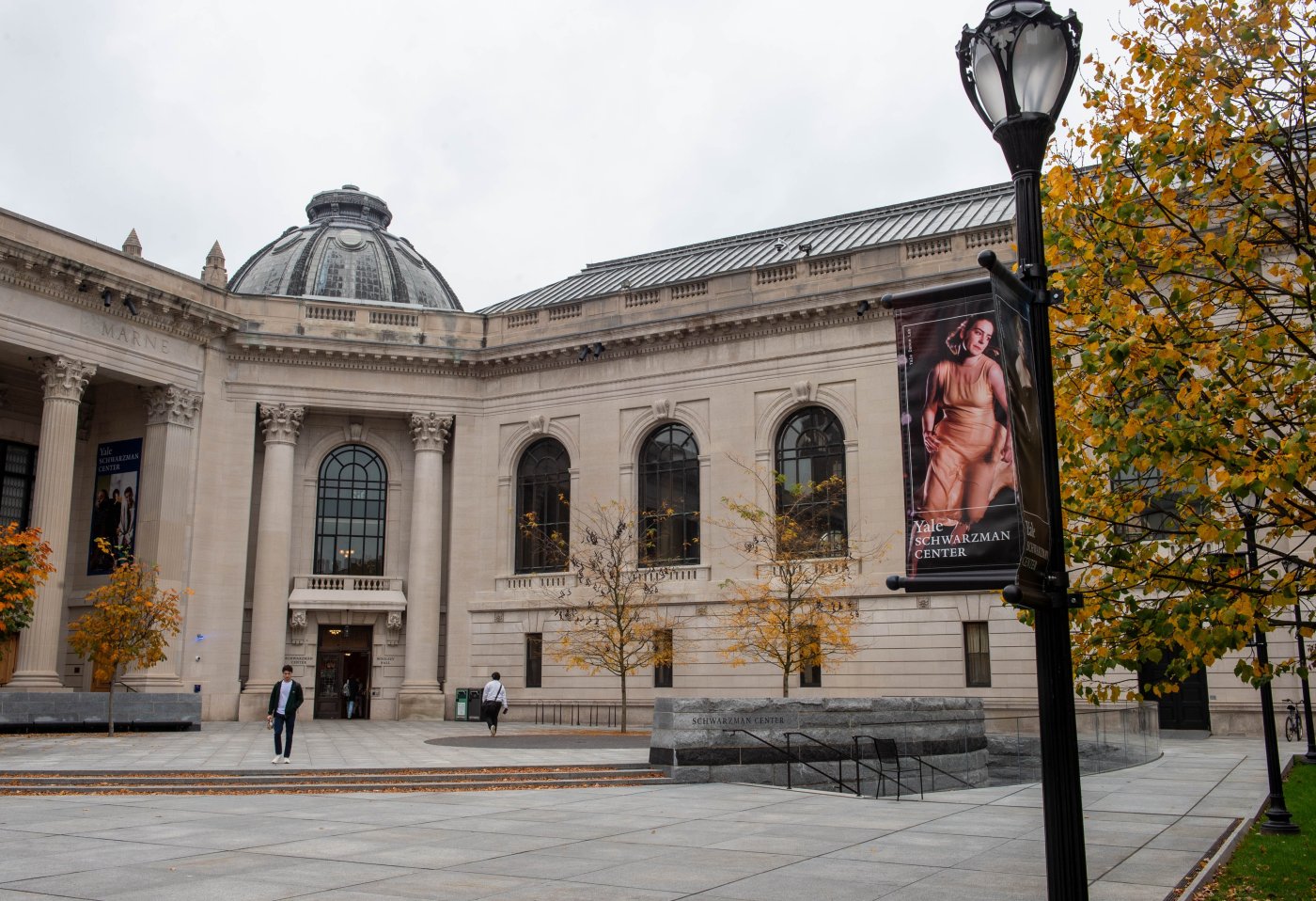
Connecticut universities are grappling with significant losses in federal research funding, totaling tens of millions of dollars. As institutions like Yale University and the University of Connecticut face cancellations and non-renewals of vital grants, researchers are working to navigate the implications for ongoing projects, particularly in the field of public health.
Impact of Grant Cancellations on Research
Amy Bei, a professor of epidemiology at Yale University, received a federal cancellation notice on May 1 for a $300,000 grant from the National Institutes of Health (NIH). The funding was intended for the first phase of research into tracking malaria spread within communities. This setback follows a previous stop-work order she received in January for a separate project in Chad, aimed at enhancing local laboratories’ capabilities for genomic surveillance.
According to Lindsay DiStefano, the interim vice president for research at the University of Connecticut, the institution has lost approximately $41 million due to grant cancellations and non-renewals as of mid-October. The university has managed to allocate around $1.6 million from its own funds to support certain projects temporarily.
At Yale, Michael Crair, vice provost for research, reported that 50 grants had been cancelled by August 12, with an additional 22 grants partially cancelled or paused. The cancellations are estimated to total “tens of millions of dollars” in research funding, impacting essential medical research and technological innovation.
Researching Malaria: A Personal Commitment
Since the early 2000s, Bei has focused her research on malaria in Africa, with significant work stemming from her time in Tanzania. She noted, “This is not just a problem that we’re trying to tackle in a Petri dish, but this is truly a disease that has an unbelievable toll in communities.” Despite advancements in medical interventions, the malaria parasite has been able to adapt, complicating efforts to combat the disease.
The World Health Organization’s 2024 report highlighted the seriousness of malaria, with Senegal reporting approximately 1.2 million cases and 200 deaths in 2023. The challenges stem from the parasite’s complex life cycle, which makes developing vaccines particularly difficult. New parasites can exhibit different characteristics from the original, complicating treatment efforts.
Bei’s research project centered on identifying biomarkers from mosquito saliva that could indicate the effectiveness of malaria prevention measures. These markers are crucial in regions where symptoms may not be apparent, yet transmission occurs. “There’s sustained transmission that is just kind of going under the radar,” she explained, emphasizing the need for continued surveillance.
In response to the funding cuts, Bei secured support from the philanthropic arm of Tito’s Handmade Vodka to continue some aspects of her research. This funding, along with internal grants from Yale, has allowed her team to maintain work on the USAID-funded project in Chad, which involves training local researchers in genomic surveillance techniques.
The disruption caused by grant cancellations has impacted the timeline of research projects. Ph.D. student Natasha Turyasingura from Uganda was compelled to delay her planned trip to Africa to train local researchers in using a new DNA sequencing panel due to the federal government’s order. With funding now in place, the team anticipates traveling to Chad in December.
Challenges extend beyond funding. Turyasingura noted a personal impact, as her visa was shortened from one year to three months, complicating her ability to conduct international research. Meanwhile, community engagement efforts to promote vaccination benefits, which were part of the USAID grant, have also faced limitations.
Despite the setbacks, Bei continues to receive NIH funding for a new generation malaria vaccine. Current vaccines, approved by the WHO in 2021 and 2023, have shown low efficacy rates, with the 2021 vaccine achieving only 45% to 51% effectiveness and the 2023 version between 66% and 75%. In contrast, the measles vaccine boasts a 97% effectiveness rate after two doses.
Laty Gaye Thiam, a postdoctoral fellow at the Institut Pasteur de Dakar in Senegal, collaborates with Yale on malaria research. He emphasized the goal of developing a vaccine that targets different life cycle stages of the parasite, inspired by the immune responses of individuals who have successfully fought off malaria.
Researcher Cyrianne Keutcha, a Cameroon native, is also involved in vaccine development, assessing the effectiveness of a new vaccine from the UK against local malaria strains. She noted the broader implications of malaria research, suggesting that findings could help tackle other diseases, including those prevalent in the U.S.
“You are investing in knowledge that can significantly improve the wellbeing of a group of people that you may not know,” Keutcha said, highlighting the universal significance of their work.
The ongoing challenges faced by researchers due to funding cuts underscore the critical need for sustained investment in public health initiatives. As universities adapt to these funding changes, the impact on research and public health outcomes remains a pressing concern.