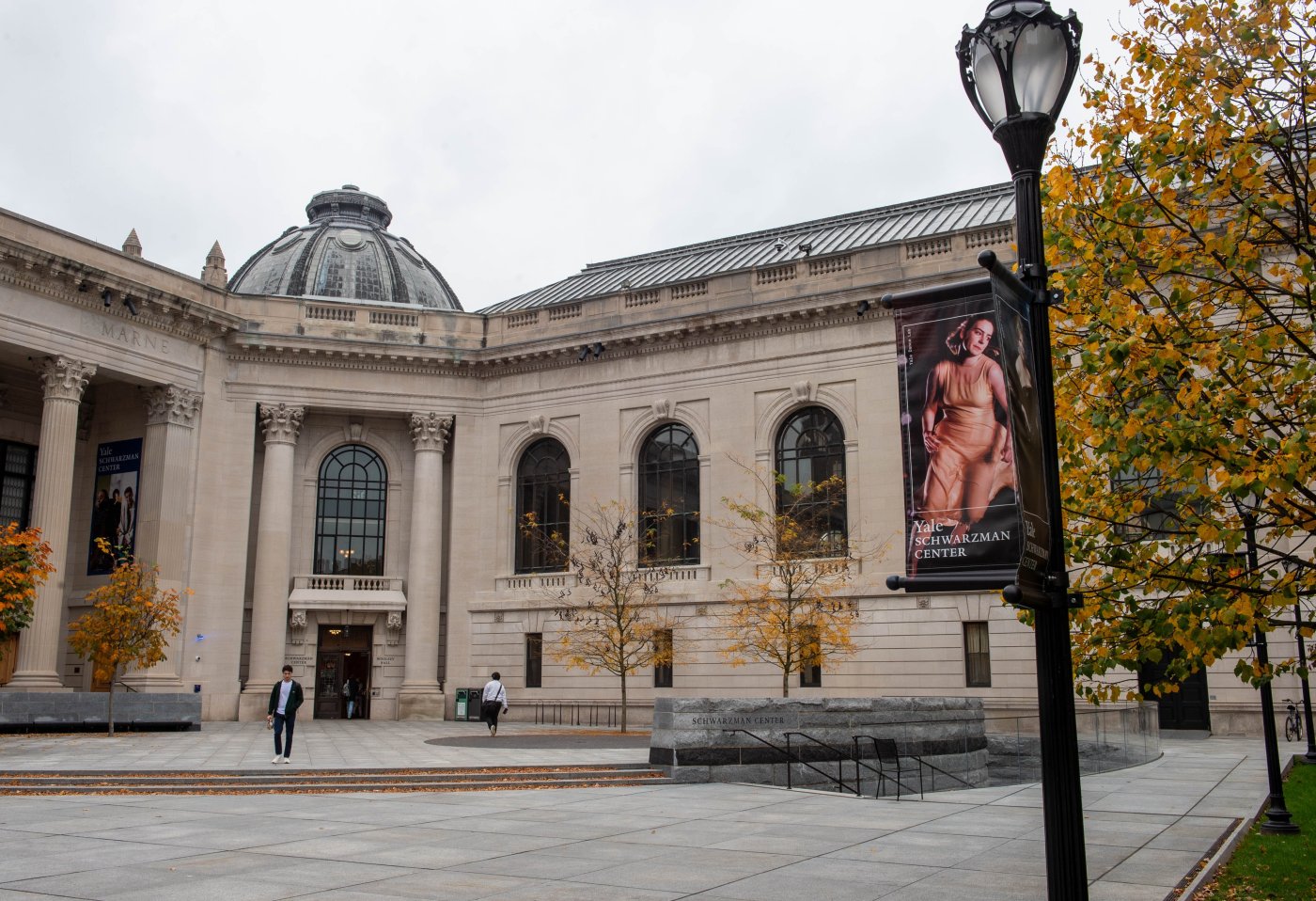
Connecticut universities are grappling with significant federal funding cuts, impacting vital research initiatives. On May 1, Amy Bei, a professor of epidemiology at Yale University, received a cancellation notice for a $300,000 grant from the National Institutes of Health. This funding was intended for research on tracking the spread of malaria in communities. The cancellation is part of a broader trend affecting multiple projects and institutions across the state.
Bei’s experience with federal funding issues is not isolated. Earlier in January, she received a stop-work order from the federal government regarding a separate project in Chad. This project aimed to enhance local laboratories’ capabilities for genomic surveillance, funded through the United States Agency for International Development (USAID). While she was permitted to continue limited work, an official cancellation notice came in June.
As of mid-October, the University of Connecticut reported a loss of $41 million due to cancelled grants and non-renewals. According to Lindsay DiStefano, the university’s interim vice president for research, this loss has forced the institution to allocate approximately $1.6 million from its own resources to sustain select projects.
At Yale, Michael Crair, vice provost for research, noted that by August 12, around 50 grants had been cancelled and another 22 had experienced partial cancellations or pauses. He emphasized that the cancellations represented “tens of millions of dollars” in crucial research funding. “The loss of federal funding has delayed, halted, and put at risk research essential to advancing life-saving medical breakthroughs, scientific discovery, humanitarian aid, and technological innovation,” Crair stated.
Real-World Impacts of Research Funding Cuts
Since the early 2000s, Bei has focused on malaria research in Africa, originally beginning her work in Tanzania. She noted, “This is not just a problem that we’re trying to tackle in a Petri dish. This is truly a disease that has an unbelievable toll in communities.”
Despite advancements in medical interventions over the years, Bei highlighted that malaria remains a severe public health challenge. The World Health Organization’s 2024 report indicated that Senegal alone recorded approximately 1.2 million malaria cases and 200 related deaths in 2023.
Malaria is particularly difficult to combat due to the parasite’s complex life cycle and genetic variations. Bei explained that when the parasite reproduces within humans, it can present differently from the version transmitted by mosquitoes. This unpredictability complicates vaccine development, a key focus of her research.
Her project investigates biomarkers found in mosquito saliva, which can help assess the effectiveness of government interventions such as the distribution of mosquito nets. These markers are especially valuable in regions where asymptomatic transmission occurs, allowing the disease to spread unnoticed. Bei described instances in Senegal where low transmission rates are misleading, masking ongoing malaria spread.
Seeking Alternative Funding Sources
In light of the funding cuts, Bei has sought alternative financial support. Recently, she secured funding through the philanthropic arm of Tito’s Handmade Vodka, enabling her team to continue their NIH-funded malaria tracking work. This funding, alongside internal Yale grants, has allowed the continuation of the USAID project in Chad, which includes training local researchers in genomic surveillance techniques.
The funding disruptions have had immediate consequences. Natasha Turyasingura, a Ph.D. student from Uganda, faced delays in her planned trip to Chad to train local researchers on a new DNA sequencing panel. The trip, initially scheduled for February 2023, was postponed by nearly a year as Bei sought funding. With the necessary funds now secured, they aim to travel to Chad in December.
The changes in U.S. federal policies have also affected Turyasingura’s visa status, reducing its duration from one year to three months. This has created additional challenges for her ability to travel and conduct research.
In Chad, ongoing project components have been stalled. Efforts to engage with village leaders and community members about vaccination benefits, previously supported by USAID funding, are now severely limited.
Despite these setbacks, Bei continues to receive NIH funding for a new malaria vaccine initiative. The World Health Organization has approved two vaccines for use in malaria-endemic countries, but Bei noted their limited efficacy. According to a 2024 WHO report, the 2021 vaccine has an efficacy rate between 45% and 51%, while the 2023 version is between 66% and 75%. This contrasts sharply with the measles vaccine, which boasts a 97% efficacy rate after two doses.
Collaborating with Laty Gaye Thiam, a postdoctoral fellow at the Institut Pasteur de Dakar, Bei aims to develop a vaccine targeting a different stage of the malaria parasite’s life cycle. Thiam emphasizes the personal impact of malaria, recalling his own experiences with the disease and its burden on families and communities.
Research in Bei’s lab, conducted by Cyrianne Keutcha, a postdoctoral fellow from Cameroon, is exploring whether a potential new vaccine developed in the UK will effectively combat local malaria variants. Keutcha recalls her own severe bout with malaria during childhood and recognizes the broader implications of their research.
“This research can significantly improve the wellbeing of communities that may not be directly known to us,” Keutcha stated. “However, that same technology can also enhance our health in combating diseases that are present or may emerge in the future.”
The ongoing challenges faced by Connecticut universities underscore the critical need for sustained funding in medical research. As institutions navigate these financial hurdles, the quest for innovative solutions and partnerships remains essential for advancing global health initiatives.