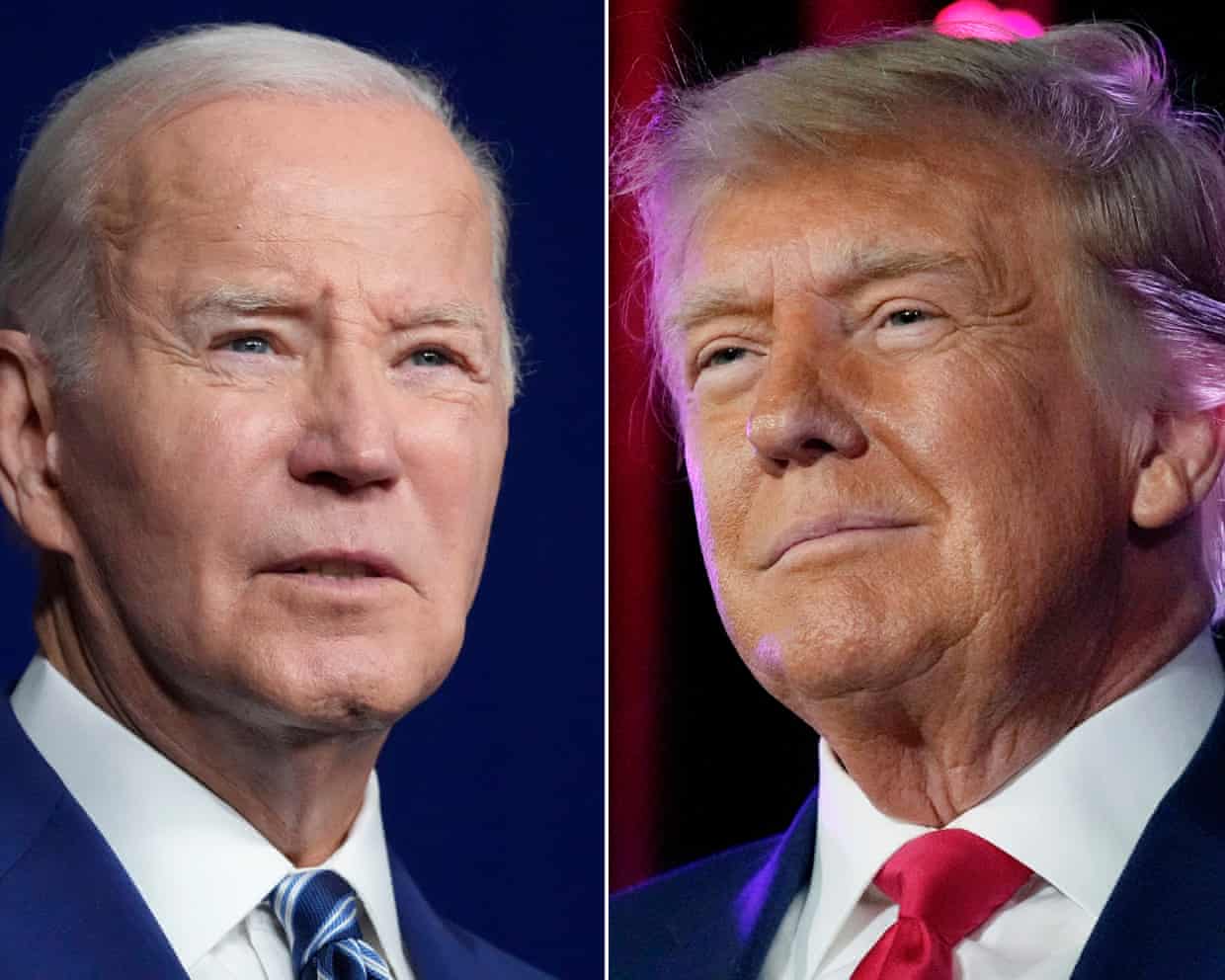
Former President Donald Trump has announced his intention to revoke most of the executive orders enacted by current President Joe Biden. This declaration was made through a social media post where Trump asserted that Biden did not personally authorize the orders. He claimed that “the radical left lunatics circling Biden around the beautiful Resolute Desk in the Oval Office took the Presidency away from him,” alleging that his signature on the orders was generated using an autopen—a device frequently utilized by U.S. presidents since its inception.
Trump further stated, “The Autopen is not allowed to be used if approval is not specifically given by the President of the United States.” He suggested that Biden was not involved in the autopen process, claiming that “approximately 92%” of all executive orders were therefore invalid. Such assertions raise questions about the legitimacy of the Biden administration’s actions, although they lack substantive evidence.
In his post, Trump went on to threaten legal repercussions, stating that if Biden claimed involvement in the autopen process, he would face charges of perjury. This marks a significant moment in political discourse, as it reflects ongoing tensions between the two administrations and highlights the contentious nature of executive power in the United States.
As Trump seeks to rally support among his base, his comments could further polarize the political landscape. The implications of such statements extend beyond mere rhetoric, potentially influencing public perception and legislative actions in the coming months.
The former president’s plans to reverse Biden’s executive orders encompass a wide range of policies, including those related to climate change, healthcare, and immigration. The effectiveness of this strategy will depend on various factors, including public support and the current political climate in Congress.
As discussions continue around these developments, observers will be keen to see how this situation unfolds. The political landscape is poised for further debate as both sides prepare for future confrontations over executive actions and their broader implications for governance in the United States.