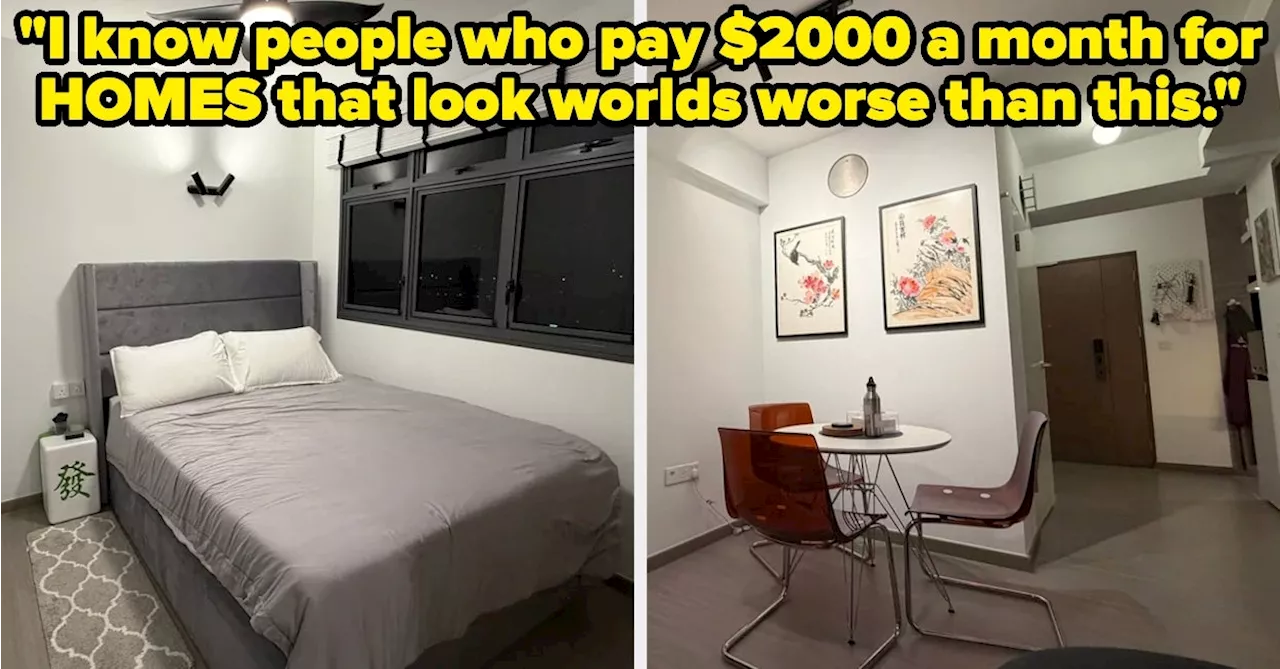
New reports confirm that many Americans are in disbelief over the quality of government-subsidized housing in Singapore. As housing prices continue to soar across the United States, residents are expressing shock that such luxurious accommodations could be available from their government. This developing situation highlights the stark differences in housing policies between Singapore and the U.S., prompting a national conversation on affordability and accessibility.
UPDATE: Social media is buzzing with reactions as images of these high-quality apartments circulate, showcasing amenities that many believe are unattainable in the U.S. One user exclaimed, “I knew this couldn’t be in the U.S. with how nice it is!” This sentiment resonates with countless Americans who feel priced out of their housing markets, making homeownership seem like a distant fantasy.
The contrast is striking. While Singapore invests heavily in affordable housing—spending nearly double what New York City does—U.S. cities grapple with rising costs and limited options. Singapore’s unique model allows for a high percentage of government-owned land (approximately 43%), in stark contrast to New York City. This has drawn attention to how different policies can lead to vastly different living conditions.
Experts argue that Singapore’s housing system reflects a more capitalist approach than that of the U.S., despite its government involvement. “It’s really telling that there is a certain portion of people who assume ‘subsidized’ means it has to have poor quality,” a housing analyst stated. This comment underscores a growing recognition that effective public housing can provide high standards of living.
As conversations about housing intensify, many Americans are left wondering about the future of their own housing markets. What can be learned from Singapore’s model? Will U.S. policymakers take notice and implement changes to make housing more accessible?
The urgency of this issue cannot be overstated, as many Americans are struggling with the immediate effects of escalating rents and stagnant wages. The emotional impact of this housing crisis resonates deeply, with families facing tough decisions about their living situations.
What’s next? As interest grows, it is expected that more discussions will emerge regarding housing policies and potential reforms. Readers are encouraged to share their thoughts on this critical issue, whether regarding housing in Singapore or their own experiences in the U.S.
Stay tuned for more updates as this story develops.