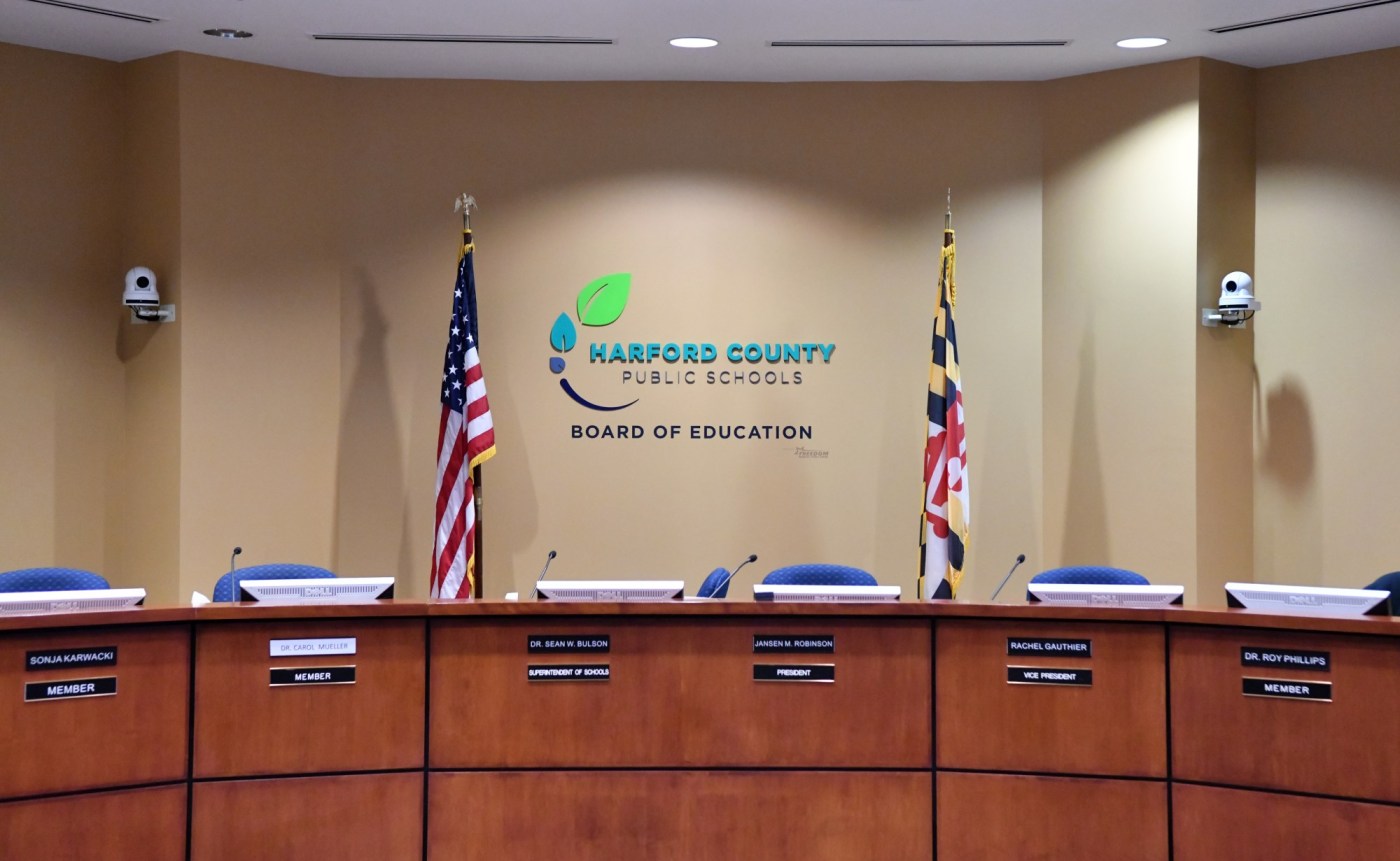
UPDATE: The Harford County Board of Education has just announced plans to appeal a recent ruling from the Maryland State Board of Education that overturned its controversial decision to remove the book “Flamer” from school libraries. The board’s motion passed 5-2 during an urgent virtual meeting held on October 5, 2023.
This appeal will be directed to the Harford Circuit Court, despite legal counsel warning of a less than 20% chance of success. The board is racing against the clock, as it must take action within 30 days of the state’s decision.
The heated discussions among board members highlighted the central issue: the extent of state interference in local education decisions. According to board counsel Gregory Szoka, the board faces two options: request a reconsideration from the state board or proceed with the appeal to the circuit court. Szoka cautioned that pursuing the circuit court could yield limited success.
Elected member Melissa Hahn expressed strong concerns, stating, “When the state board overrides a local decision, it sets a dangerous precedent.” Vice President Lauren Paige added, “It sends the message that the voices of parents, teachers, and community members don’t matter.”
In contrast, student member James McVicker III, whose vote did not count, argued that the book embodies “hope and resilience” and should be available to high school students, though he believes it may not be appropriate for younger audiences. “It provides a mirror and a message of survival that could be a genuine source for help for some people,” he stated.
The board’s decision to appeal comes after the Maryland State Department of Education recommended that the school board revise its book evaluation procedures to enhance transparency and community engagement. This recommendation follows the state’s decision to overturn the school board’s initial ruling on the book.
The controversy surrounding “Flamer” stems from its content, which has sparked significant debate among board members. Elected member Mark Korn fiercely opposed the book, calling it “not age appropriate” and criticizing its characterization as a story of redemption. He stated, “The characterization of this as some book of redemption… is just the most heinous misrepresentation.”
Board President Aaron Poynton acknowledged that while the state has the right to intervene, it should be within a “very narrow” scope. He emphasized that parental guidance should dictate what materials are accessible to students.
As the board embarks on this legal battle, the implications for local governance in educational matters hang in the balance. The decision to appeal reflects deeper tensions regarding parental rights, state authority, and the role of educational institutions in shaping community values.
Stay tuned for updates as this story develops, and share your thoughts on this ongoing controversy.