Travelers across Kentucky and the United States face a sudden threat as experts reveal how to spot bedbugs quickly and avoid bringing them home this travel season. The latest guidance comes from Dan Suiter, an urban entomologist and Orkin Distinguished Professor with the University of Georgia Cooperative Extension, alongside Ben Hottel, technical training lead at Rollins. Their urgent advice is critical for anyone planning to stay in hotels or other accommodations immediately.
Bedbugs, those tiny blood-sucking pests, have developed a notorious reputation for hitching rides on luggage and clothing, causing costly and stressful infestations at home. These experts say knowing exactly where to look and what signs to seek can stop an infestation before it starts.
The first rule upon checking in: avoid placing your bags on beds, sofas, or carpets. Instead, Suiter advises travelers to keep luggage on hard surfaces like luggage racks or bathroom counters, reducing the risk of bedbugs crawling into your belongings undetected.
Where to Inspect Immediately
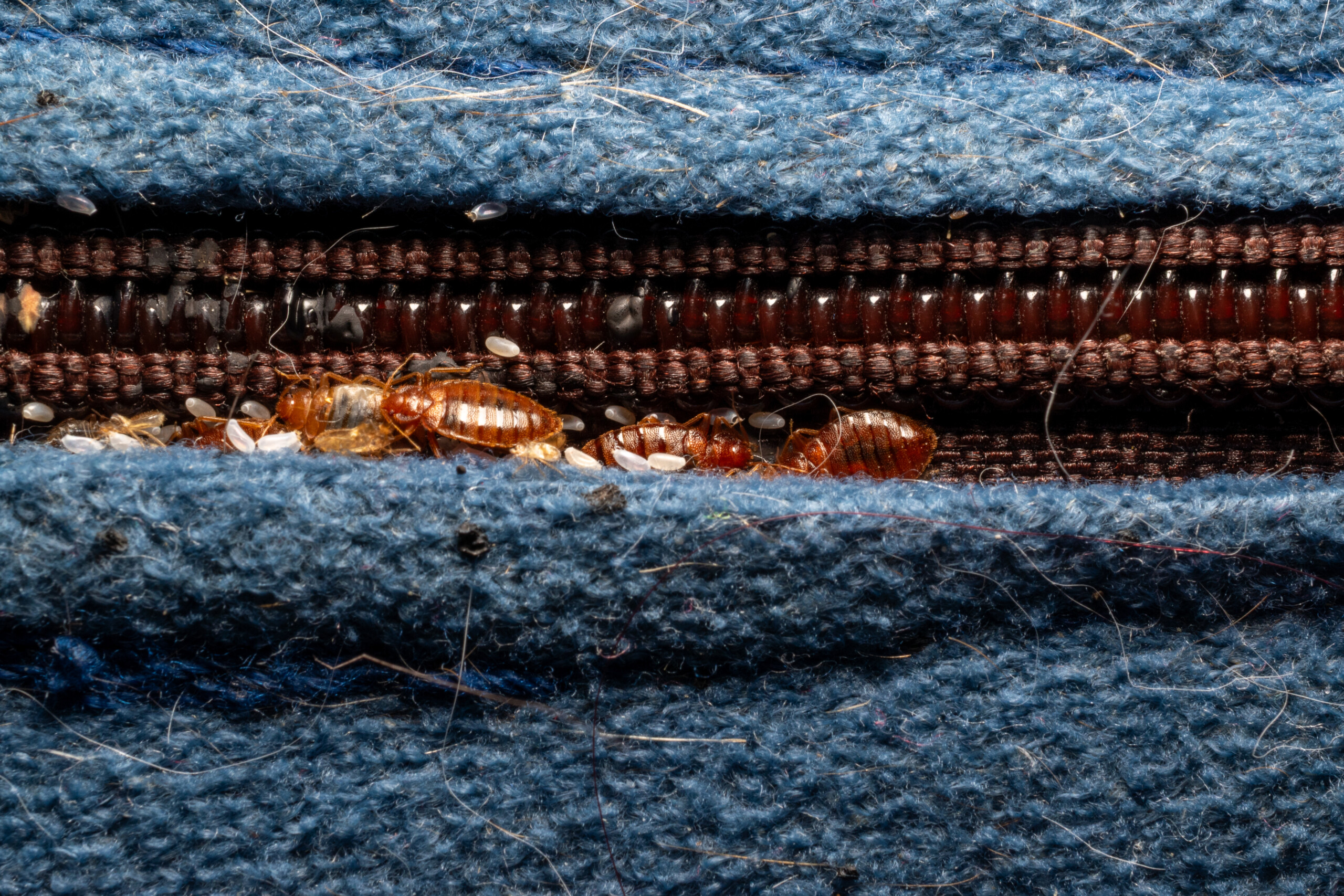
According to Suiter and Hottel, bedbugs often hide in the seams, tags, and folds of mattresses, box springs, and headboards. They advise inspecting mattress edges, bed frames, and even electrical outlets near beds for telltale signs such as tiny dark spots (bedbug feces), small blood stains, or the bugs themselves—small, reddish-brown insects about the size of an apple seed.
This immediate inspection can save travelers from bringing these pests back home to Kentucky or anywhere else in the US. “A few simple, immediate steps can prevent what becomes an expensive nightmare,” Suiter warns.
Signs of Bedbugs You Can’t Ignore
Travelers should look for physical signs like:
- Live bedbugs or their shed skins
- Tiny blood droplets on sheets or mattresses
- Fecal spots along mattress seams and bed frames
- Musty, sweet odors emanating from infested areas
Missing these early signs could result in bringing these pests into your home, requiring professional pest control interventions that can cost hundreds to thousands of dollars.
What to Do After Your Trip
Upon returning, experts urge an immediate risk reduction protocol. This includes unpacking in a garage or outside, washing all clothes in hot water, and vacuuming luggage inside and out. Heat treatment for luggage and personal items is also highly effective at killing any lingering bedbugs or eggs.
Ben Hottel stresses that these actions are not optional; “Immediate action after travel dramatically reduces the chance bedbugs survive and infest your living space.”
Why It Matters Now More Than Ever
With travel on the rise this season, the risk of bedbug infestations is skyrocketing nationwide. For Kentucky residents, where tourism and travel hubs grow each year, this threat could multiply rapidly if not addressed promptly.
Hotels and accommodations continue to battle these pests, but the burden often falls on travelers to detect and avoid spreading bedbugs. That’s why Suiter and Hottel’s advice is critical now, urging travelers to act fast and stay vigilant.
Planning a trip soon? Follow these simple yet essential steps to protect your health, wallet, and peace of mind from the invasive spread of bedbugs.
Dan Suiter: “A quick, thorough check every time you check in can save you hundreds in pest control bills later.”
This season, bedbugs are no longer just a hotel problem—they are a household emergency waiting to happen. Stay informed, stay prepared, and don’t let bedbugs steal your vacation.