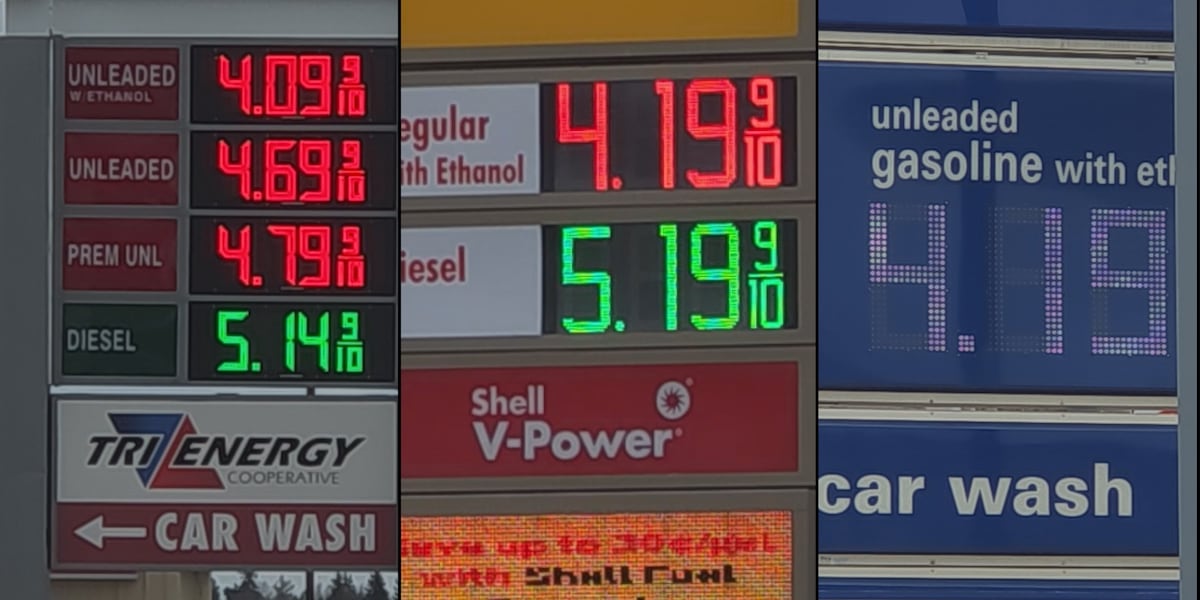
North Dakota Gas Prices Spike 30 Cents in One Week Amid Ongoing Iran Conflict
Gas prices in North Dakota have surged alarmingly, with the statewide average hitting $4.08 per gallon, an increase of more than 30 cents in just one week. The jump adds pressure to drivers and farmers already struggling as the U.S. war with Iran extends beyond two months and disrupts critical oil routes.
The American Automobile Association (AAA) reports that prices are now over $1 higher than this time last year, reflecting the expanding economic fallout from the conflict. Nationally, the average gas price has climbed by 49% since strikes began in late February, reaching the highest levels in four years at $4.48 per gallon. North Dakota, while lower than the national average by about 40 cents, is still feeling intense impact.
Conflict at Strait of Hormuz Drives Supply Concerns
The continued closure of the Strait of Hormuz, a vital oil shipping lane, has exacerbated supply constraints, pushing prices upwards. Both sides remain entrenched with no immediate resolution in sight, intensifying uncertainty for energy markets.
Representative Julie Fedorchak offered cautious optimism, saying, “It’s tough right now, but what we’re seeing in North Dakota, we can increase production in Bakken. That’s all helpful and will help continue to stabilize the prices. And once we wrap up this conflict in Iran, I think that our American economy is going to soar and prices are going to go down.”
Bakken Oil Fields Could Provide Relief
North Dakota’s Bakken oil region is viewed as a potential buffer against the international supply crunch. Increasing production here could help alleviate price pressures locally and nationally, though gains may take time to materialize amid ongoing global instability.
Consumers are feeling the pinch immediately, as rising fuel costs tighten household budgets and add uncertainty to agricultural operations reliant on fuel and fertilizer, which have also surged in price since the conflict began.
What Drivers and Kentucky Consumers Should Watch
Kentucky drivers and national consumers should prepare for continued volatility. While North Dakota’s impact may seem distant, fuel price fluctuations affect transportation and goods prices nationwide. Monitoring supply trends and geopolitical developments is critical in the weeks ahead.
This developing story underscores the tight link between U.S. foreign policy, global energy supply, and everyday costs for Americans. With no quick end expected to the Strait of Hormuz closure, rising gas prices represent an immediate economic challenge.
Stay tuned for updates as North Dakota ramps up production efforts and diplomatic efforts evolve toward de-escalating the conflict.