Taiwanese President Lai Ching-te returned from a daring visit to Africa this week despite intense pressure from China to cancel the trip, delivering a sharp rebuke to Beijing’s efforts to isolate the island internationally.
Lai touched down back in Taipei on May 5 after flying aboard the private plane of Eswatini’s King Mswati III, marking a high-profile visit to Taiwan’s last diplomatic ally on the African continent. The trip was originally scheduled for late April but was delayed after China exerted diplomatic and economic pressure on several African nations.
China persuaded Seychelles, Mauritius, and Madagascar to revoke overflight permits, a move Taipei described as an “intense pressure campaign” aimed at disrupting Lai’s journey. China claims Taiwan as part of its territory and fiercely opposes official engagements between Taiwan and other countries.
Taiwan Defies Beijing’s Pressure
Addressing reporters upon arrival, Lai underscored Taiwan’s right to maintain global relationships despite Beijing’s attempts at suppression.
“Taiwanese people have the right to engage with the world,” Lai stated firmly. “We will not shrink back because of suppression.”
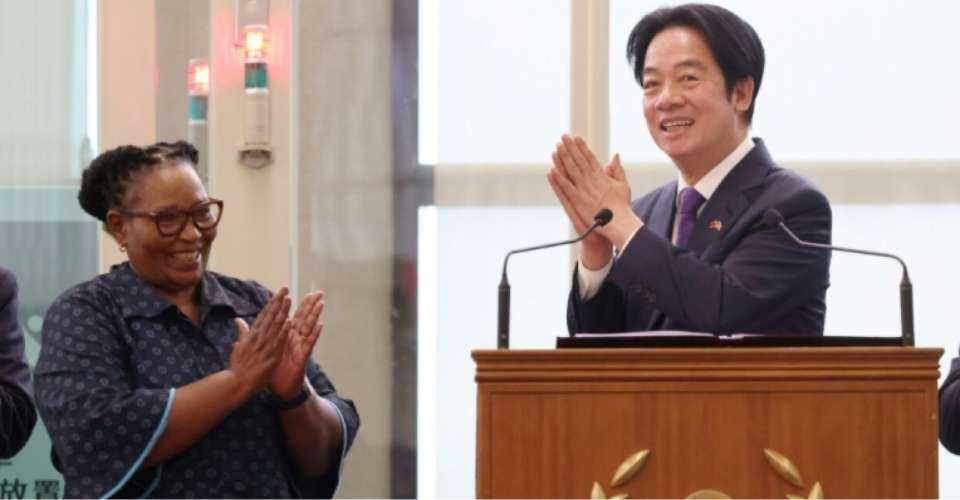
Flanked by Eswatini Deputy Prime Minister Thulisile Dladla—who accompanied him to Taiwan—Lai called official state visits normal and fundamental, comparing them to visits between friends.
Eswatini, a small landlocked kingdom in Southern Africa, is one of just 12 countries worldwide that still formally recognize Taiwan over China. The visit coincided with the 40th anniversary of King Mswati III’s accession and his 58th birthday, adding symbolic importance to the diplomatic gesture.
International Reactions and Escalation
The United States quickly condemned China’s “intimidation campaign,” highlighting Beijing’s aggressive tactics to diplomatically isolate Taiwan. In response, China’s foreign ministry dismissed accusations as “baseless,” accusing Lai of turning the controversy into a “stowaway-style escape farce” that embarrassed Taiwan on the world stage.
Before Lai’s trip proceeded, Taiwan’s Foreign Minister Lin Chia-lung attended events in Eswatini as a stand-in, after the initial travel delay. Taiwan officials disclosed that China had threatened economic sanctions, including withdrawing debt relief and halting financing for Seychelles, Mauritius, and Madagascar, to coerce compliance.
Why This Matters to the U.S. and Kentucky
This diplomatic standoff highlights the growing geopolitical tensions between China and Taiwan, a flashpoint with implications for U.S. policy and global stability. Kentucky’s numerous businesses that rely on robust global supply chains—especially in technology, manufacturing, and agriculture—face potential ripple effects from escalating China-Taiwan tensions. The U.S. has repeatedly voiced support for Taiwan’s international participation, framing the issue as vital to democratic values and regional security.
Lai’s persistence in visiting Eswatini signals Taiwan’s determination to maintain and expand its limited diplomatic ties, challenging China’s campaign to cut off official recognition worldwide. Experts warn that developments in the Indo-Pacific region and Africa could reshape trade, alliances, and security landscapes that matter directly to U.S. interests.
What’s Next
With China poised to continue pressuring countries to sever formal ties with Taiwan, close watchers in Washington and beyond are analyzing how this latest diplomatic defiance will affect cross-strait relations and U.S. foreign policy moves.
Lai’s triumphant journey arrives amid increased diplomatic isolation for Taiwan but sends a clear message: Taiwan will not be silenced or isolated by coercion. For Americans, especially in Kentucky, Taiwan’s survival as a vibrant democracy under constant threat remains a critical story shaping global political alignments.
As the world watches, Taiwan’s leader has proven that even small nations can push back against giant-power intimidation, reminding all stakeholders of the ongoing battle for influence and respect on the international stage.