Scam Surge: Banking Spoof Calls Steal Tens of Thousands from U.S. Consumers
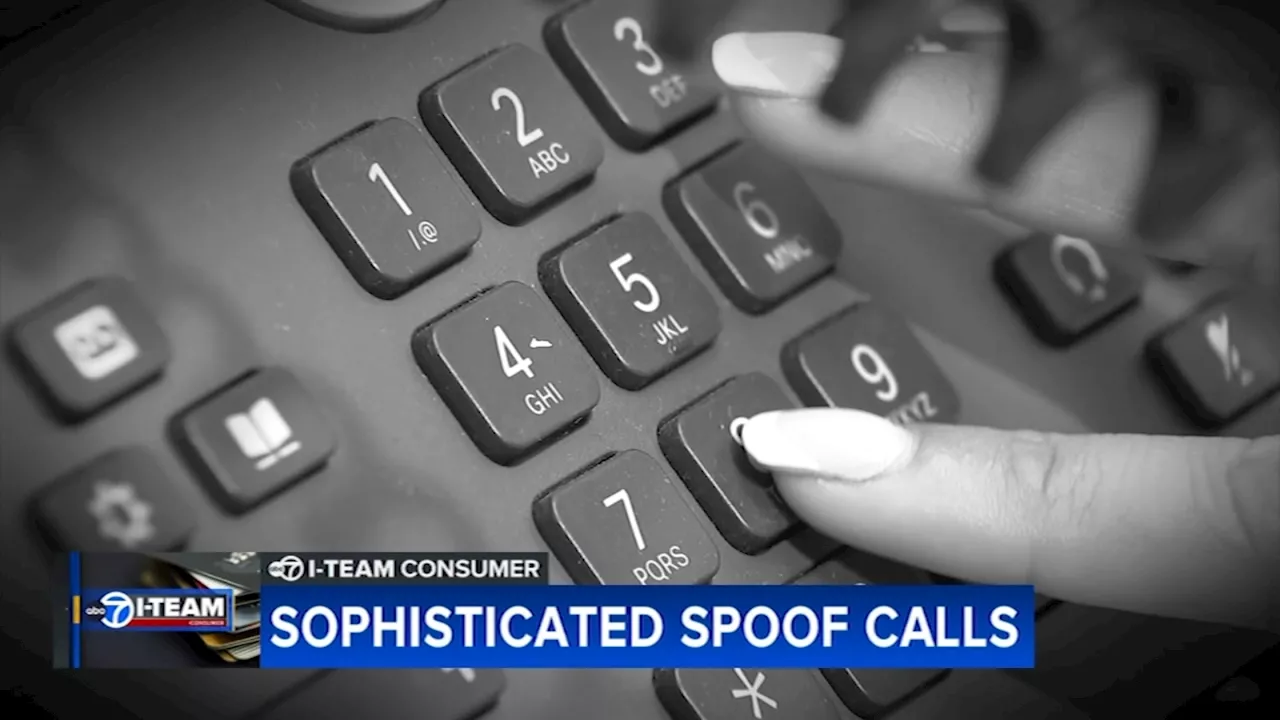
An alarming rise in phone scams targeting bank customers has emerged as fraudsters use sophisticated spoofing tactics to steal thousands of dollars. Across the country, criminals are impersonating bank officials and even FBI agents to coerce victims into transferring funds — with losses reaching anywhere from thousands into the hundreds of thousands in aggregate.
Rob Elgas, an ABC7 reporter, narrowly escaped losing nearly $1,800 in this high-pressure scam, highlighting how persuasive and destructive these calls can be. This wave of scams, confirmed by the FBI Chicago Field Office, represents one of the fastest-growing fraud challenges nationwide in 2026.
How The Scam Works: Trusted Numbers, Panic, and Urgency
Victims receive calls that display legitimate bank numbers such as the Chase fraud department. Scammers convincingly pose as bank employees and federal law enforcement, claiming the victim’s account is being illegally accessed. Their goal: rush victims into transferring money to “secure” accounts controlled by the scammers.
One victim, Lichthardt, was tricked into transferring approximately $40,000 from her Chase account to a supposed secured Chase account at her local branch, as well as additional money to an online bank. Despite reporting the fraud immediately, she was unable to recover the funds, which were withdrawn by scammers the same day.
Robert Richardson, FBI special agent, warned, “Scammers exploit fear and urgency to pressure victims into hasty decisions, posing as law enforcement to create panic.”
The FBI reports that in 2026 alone, there were over 191,000 complaints of phishing and spoofing calls nationally. These scams are now the most frequently reported fraud cases to the Internet Crime Complaint Center (IC3), causing losses exceeding $215 million.
Not Just Chase: Other Banks and Payment Apps Targeted
Another victim, Allgood, was deceived into upgrading his Zelle account to a business account after a convincing call claiming affiliation with Huntington Bank. While Huntington says their system provides multiple scam alerts during transfers, Allgood noted the scammer already possessed his banking details, guiding him through the transaction.
Elgas explained his close call when a scammer instructed him to send money via Zelle disguised as an ‘employee FDIC inspector number’ transfer — a clever ploy using banking jargon to confuse victims.
Warning From Banks and Authorities: Don’t Transfer Money on a Call
Chase Bank emphasized that consumers should never respond to unsolicited calls, texts, or emails requesting money transfers or computer access. They reiterated that legitimate banks do not ask customers to transfer funds over the phone.
Experts stress that victims lose money because the transfers are voluntary — a key reason banks often don’t refund money lost to these scams. Unlike traditional fraudulent transactions involving stolen cards, these cases exploit victims’ trust. The FBI advises consumers to always verify suspicious contact by calling banks directly using numbers on official bank cards or statements.
What Comes Next: Investigation and Prevention Efforts
Federal authorities continue their investigations into these organized fraud rings, but the best defense remains awareness. Victims like Lichthardt and Allgood have filed reports with local law enforcement and the FBI, hoping for justice but uncertain of recovering funds.
For Kentucky and U.S. consumers nationwide, this surge in banking spoof calls demands heightened caution. Always reject unsolicited requests for money transfers, scrutinize caller IDs, and directly call your bank before taking action.
With losses mounting and scammers becoming more convincing, protecting your money means trusting only verified sources and never succumbing to pressure tactics. Stay alert, stay informed, and report any suspicious calls immediately—to protect yourself and your community from these costly scams.