Marines Move Forward with $15.5M Unmanned R66 Delivery Drone Project
The U.S. Marine Corps has awarded Sikorsky a $15.5 million contract to advance the development of an unmanned drone based on Robinson Helicopter’s R66 Turbinetruck, officials announced April 27. This major step propels the Medium Aerial Resupply Vehicle–Expeditionary Logistics (MARV-EL) program into its second increment, promising a revolutionary middleweight aerial platform for battlefield logistics.
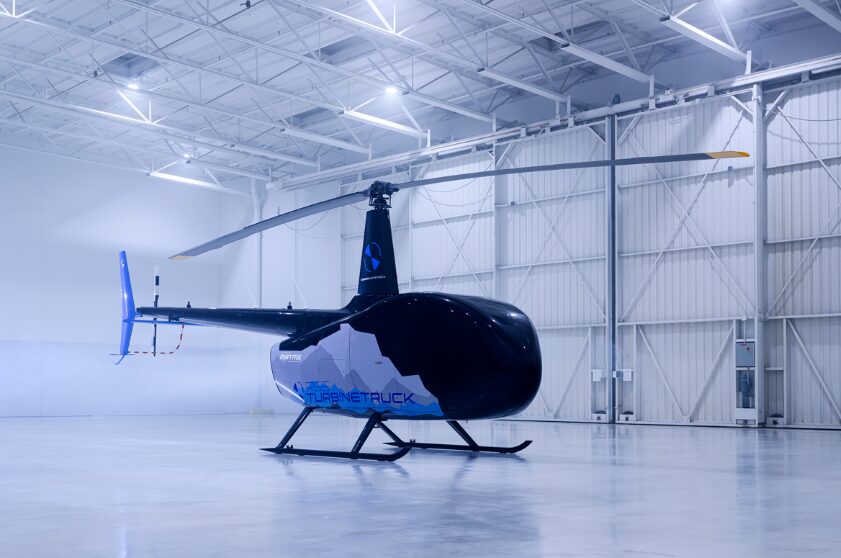
MARV-EL Increment 2 aims to fill a critical gap between small tactical drones and large cargo aircraft by delivering ammunition, medical supplies, and other essentials directly to Marines in forward areas. The uncrewed R66 Turbinetruck will operate autonomously using Sikorsky’s MATRIX autonomy system integrated onto a specially modified R66 airframe designed without a cockpit for maximum cargo volume.
Transforming Battlefield Resupply with Autonomous Rotorcraft
The reconfigured R66 Turbinetruck sacrifices the traditional cockpit to create a high-volume cargo bay equipped with a nose-mounted clamshell door enabling rapid loading of palletized freight. It boasts an internal payload capacity of up to 1,300 pounds while capable of operating from austere forward operating bases, ship decks, or unimproved landing zones, making it a versatile asset in high-risk or contested environments.
“The R66 TURBINETRUCK will support mission success when ground or crewed aviation assets are unavailable and keep personnel out of danger in high‐risk scenarios,” said a Sikorsky spokesperson.
Robinson’s president and CEO, David Smith, hailed the project as a “game-changing capability” expanding proven rotorcraft into scalable, autonomous cargo solutions that will significantly boost warfighter readiness and safety.
Built for Combat Radius and Ease of Use
The Marine Corps’ MARV-EL program requires an unmanned helicopter capable of carrying between 1,300 and 2,500 pounds of cargo with a combat radius of 100 nautical miles. Operators will control the platform through a common digital handheld device, improving usability and reducing the need for specialized piloting skills.
Similar to Sikorsky’s U-Hawk program, which uses the MATRIX system to convert Black Hawk helicopters into large unmanned platforms, the R66 Turbinetruck’s autonomous technology enables fully digital mission planning and execution. Operators input mission objectives on a tablet, and onboard sensors and algorithms manage the flight path to the destination safely and efficiently.
Strategic Impact and Next Steps
The Marine Corps has actively sought medium aerial resupply solutions for several years and previously tested concepts from Kaman Aerospace, Leidos, and Elroy Air. With the latest $15.5 million contract, Sikorsky and Robinson aim to demonstrate MATRIX’s adaptability and open architecture on the R66 platform, while bringing learnings from other Sikorsky autonomy programs, including the optionally piloted UH-60M Black Hawk Aerial Logistics Connector (ALC) project.
The ALC program, also engaging other industry players like Airbus U.S. and Near Earth Autonomy, continues to evaluate cargo drone candidates. Marine Corps officials have not ruled out awarding multiple vendors for the next development phase, emphasizing a competitive and comprehensive testing process.
The arrival of the unmanned R66 Turbinetruck marks a vital breakthrough in U.S. military logistics, providing a flexible, autonomous solution to resupply troops amid today’s complex, fast-evolving battlefield conditions. Lexington and Kentucky defense industry observers will be watching closely as this advanced rotorcraft progresses through development and testing.
For readers in Kentucky and across the U.S., the MARV-EL effort highlights ongoing modernization efforts to safeguard troops and ensure supplies reach frontline units rapidly and reliably, even in hostile environments.