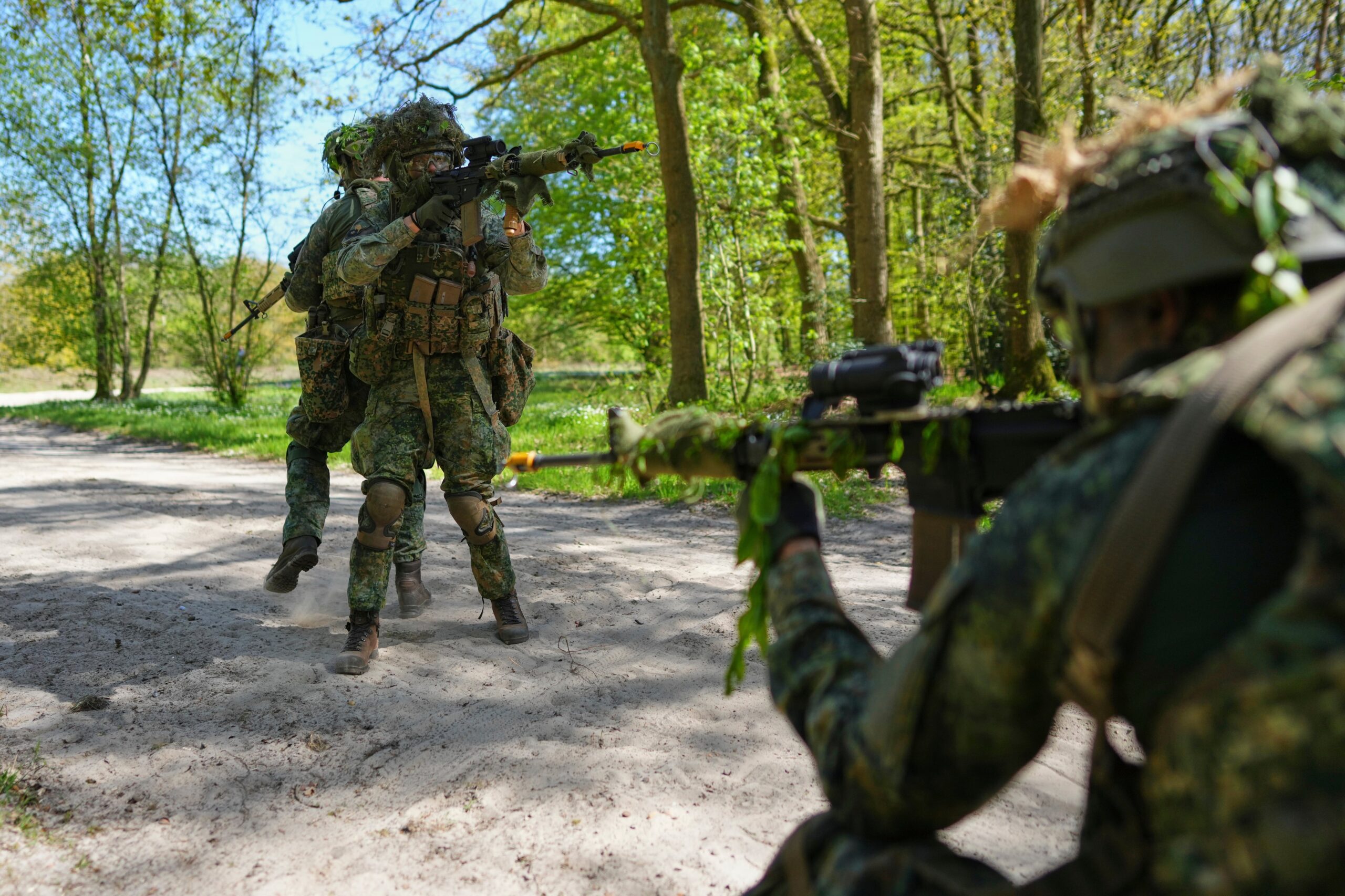
Netherlands Sees Explosive Growth in Military Reservists Driven by Royal Enlistments
The Netherlands is racing to expand its military reserve force after a surge in volunteers sparked by recent enlistments of Queen Maxima and her daughter Amalia, Princess of Orange. Authorities now face urgent challenges providing training, weapons, and housing amid unprecedented demand for spots in the 10th Infantry Battalion Guard Security Corps National Reserve.
The Dutch government has committed to increasing military personnel from the current 80,000 to 120,000 by 2035, with reservists playing a critical role. Recruiters aim for at least 20,000 reservists by 2030, more than doubling the current 9,000. This rapid expansion reflects growing anxiety across Europe as NATO and EU officials warn of looming threats from Russia, potentially readying new attacks within five years.
Royal Family Sets the Tone for National Defense
Photos of Queen Maxima training on a shooting range and Princess Amalia’s enlistment have energized public interest, creating what the Dutch Defense Ministry calls the “Amalia effect.” State Secretary for Defense Derk Boswijk described this wave as both inspiring and a “luxury problem” due to strains on military resources. “We have more applications than we can handle right now,” Boswijk told The Associated Press.
The Ministry is scrambling to meet the needs of new recruits, working overtime to equip volunteers with uniforms, weapons, and training slots. Reservists dedicate about 300 hours of service annually and typically guard domestic sites, protect infrastructure, or assist in emergencies like flood control. They are not currently deployed on overseas combat missions.
Europe’s Military Modernization Drives and Growing Threats
The Netherlands’ push mirrors trends across Europe. Germany contemplates enhanced pay and flexible service options to attract short-term volunteers without reinstating conscription. France aims to recruit thousands to serve 10-month voluntary enlistments, while Nordic countries like Finland, Sweden, Denmark, and Latvia maintain or reinstate draft systems in response to Russia’s invasion of Ukraine. The Dutch draft remains suspended since 1997.
Defense planners emphasize new geopolitical realities—threats no longer confined to conventional battlefields but extending to cyberspace and critical infrastructure. “We need all kinds of skills,” Boswijk said, including tech-savvy volunteers who can fight cyber threats, underscoring a broader definition of military readiness.
Motivated by History and Heightened Global Risks
For many Dutch reservists, history fuels their commitment. Volunteer Lisette den Heijer recalls lessons that German forces overran the country in just five days during World War II. “I don’t want history to repeat itself,” she told military recruitment sessions. Another reservist mentioned a major shift since 2018—from peacekeeping missions to protecting vital national infrastructure and preparing for real military conflict.
European officials warn Russian President Vladimir Putin could seek new European targets if victorious in Ukraine, an ominous scenario prompting NATO to prepare mobile, deployable forces for potential large-scale battles. The Dutch recruitment surge is a vital step in this evolving defense posture.
What Comes Next
As the Dutch military struggles to equip and train the influx of volunteers, the government plans to continue recruitment drives aggressively through billboards, media campaigns, and social platforms. The impact of the “Amalia effect” signals a cultural shift: national defense is now a priority for more citizens, including younger generations embracing military service as essential to safeguarding their nation.
For Kentucky and U.S. readers, the Netherlands’ military buildup highlights the intensifying global focus on readiness amid geopolitical volatility. NATO allies across the Atlantic face shared challenges in boosting forces and capabilities to deter aggression from hostile powers.
With the stakes rising daily, the Dutch example underscores the vital importance of citizen involvement and rapid adaptation in the face of modern security threats.
“We are here to defend our country and make sure to keep the threat down,” said a Dutch reservist on condition of anonymity.