Florida Officials Urge Caution as Alligators and Crocodiles Remain Active This Summer
The Florida Fish and Wildlife Conservation Commission (FWC) is sounding the alarm with safety tips for residents and visitors this summer as the state’s native alligators and crocodiles continue to thrive across diverse waterways.
Florida remains the only place in the world where American alligators and crocodiles coexist in the wild, creating unique safety challenges during the high-activity summer months.
American alligators are found statewide in freshwaters like lakes and rivers, while the American crocodile inhabits southern coastal regions. Both species occasionally traverse across land between water bodies but do not hunt while on land.
Recognizing Alligators vs. Crocodiles Is Key to Staying Safe
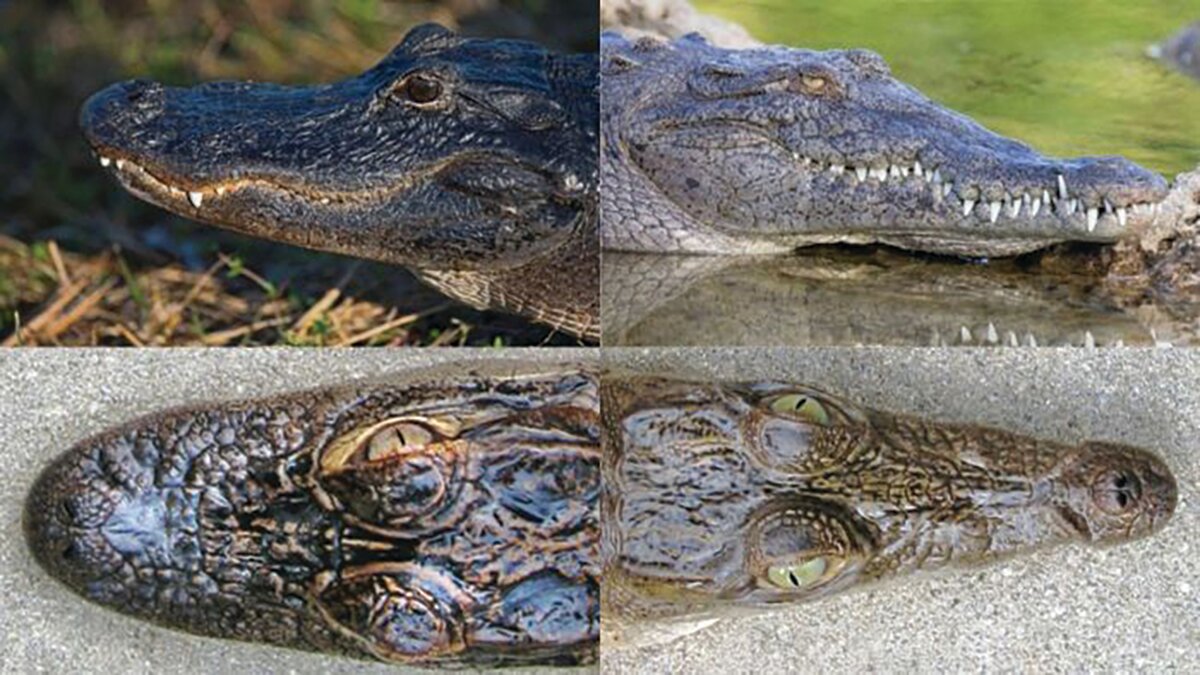
Alligators have a characteristic rounded “U”-shaped snout with only their top teeth visible when jaws are closed. In contrast, crocodiles feature a narrow “V”-shaped snout and show both top and bottom teeth while their jaws are shut.
Color also differs with adult alligators appearing dark gray and crocodiles a paler, brownish-gray. These distinctions help residents identify the reptiles more easily and react appropriately.
FWC Urges Precautions to Reduce Conflict and Protect Public Safety
Officials advise keeping a safe distance from any alligator or crocodile encountered. For concerns about nuisance reptiles, residents should immediately call the FWC’s Toll-Free Nuisance Alligator Hotline at 866-FWC-GATOR (866-392-4286) to request professional intervention.
To avoid attracting these powerful reptiles, the FWC stresses:
- Keep pets leashed and well away from water edges, as pets resemble natural prey
- Swim only in designated areas during daylight hours and without pets, since alligators are most active at dusk and dawn
- Never feed alligators or crocodiles — illegal and dangerous because feeding causes them to associate people with food, increasing nuisance behavior
Experts Highlight Reptile Behavior and Human Impact
Both alligators and crocodiles balance their body temperature through external heat sources, often basking with mouths open — a behavior called “gaping.” With Florida’s extensive canals and coastal wetlands, crocodiles also occasionally appear in inland waters, increasing chances for unexpected encounters.
The Florida Fish and Wildlife Conservation Commission says, “Staying GatorWise by following safety guidelines prevents dangerous conflicts and helps preserve these native species in their natural environment.”
What Kentuckians and Nationwide Visitors Need to Know
While alligators and crocodiles are primarily a Floridian concern, summer travelers from Kentucky and across the US heading to Florida should remain vigilant. The reptiles’ presence across freshwater lakes, coastal brackish waters, and canals dramatically increases during warmer months.
Learning the difference between alligators and crocodiles aids public safety efforts, and knowing when and who to call empowers communities to respond swiftly. National wildlife experts also emphasize that these creatures are part of Florida’s ecological balance but require respect and caution from the public.
Resources and Next Steps
For anyone encountering or concerned about alligators or crocodiles, contact the FWC’s nuisance hotline at 866-FWC-GATOR, or visit MyFWC.com and Gatrowise.org for detailed tips on living safely among Florida’s crocodilian populations.
This summer, stay alert, stay safe, and respect Florida’s powerful alligators and crocodiles as they move through their natural habitats, serving as potent reminders of the wild that thrives in the Sunshine State.