Eureka, Utah, once a booming 19th-century mining town, stands today as a powerful reminder of the soaring ambition and harsh realities that shaped the American West. A deep dive into the heart of this historic town reveals more than just veins of silver and gold—it exposes the undying resilience and stories of a community forged in struggle and pride.
Just over a 1 hour 45 minutes drive from Park City, this small town lies at the center of the Tintic Mining District, where the discovery of the Sunbeam Lode in 1869 by prospector George Rust ignited one of the largest mineral rushes in the Intermountain West. This rush produced more than $400 million in silver, gold, lead, and zinc—an astronomical sum that fueled towns like Dividend, Silver City, and Mammoth almost overnight.
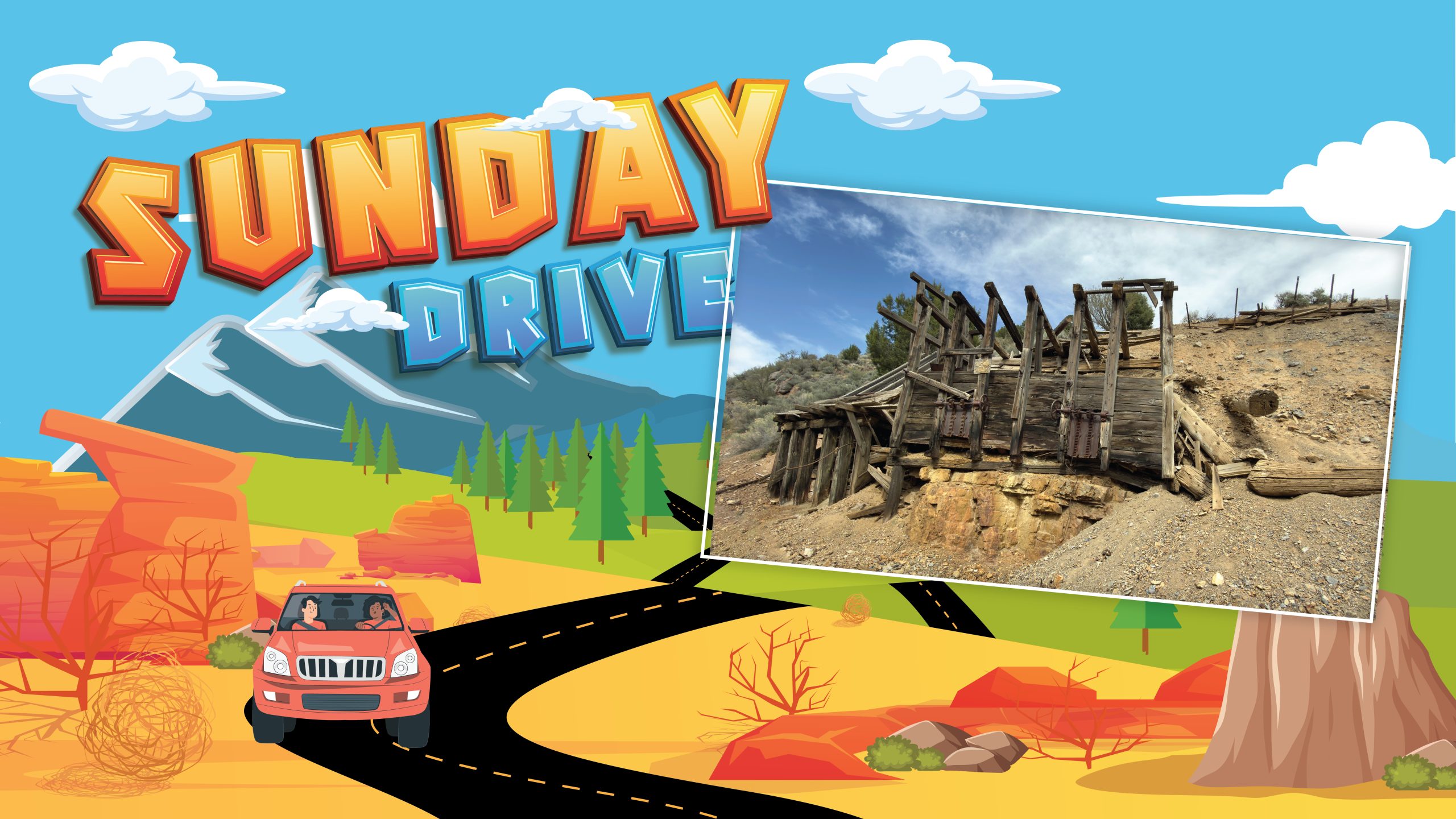
Today, the remnants of this once-thriving mining boom pepper the landscape. The 70-foot steel headframe of the Bullion Beck and Champion Mine looms on Eureka’s west side like a monument to the ambitions of past miners. Visitors traveling along U.S. Route 6 encounter abandoned shafts, tailings piles shimmering under the sun, and the haunting remains of concrete mills in Silver City, where broken walls frame the vast Utah sky.
Yet the story here is not just about riches extracted from the earth. The hardest truth emerges at local cemeteries. At Silver City Cemetery, epitaphs mark lives cut tragically short in mining’s unforgiving grip. Tombstones for infants Minnie and twins Silvie and Goldy stand starkly as grim reminders of the human cost behind the rush for wealth.
Despite its rugged history, Eureka today pulses with pride and a thriving community spirit. At Sipping Magic Coffee Apothecary, locals reconnect with their heritage while sharing stories of mining legends and small-town warmth. The coffee shop owner Jes highlights Eureka’s unique claim to fame with the presence of one of the early J.C. Penney stores established in 1909, a symbol of commerce that endured beyond the mining bust.
Mining activity has not vanished entirely. The Dragon Canyon Mine near Mammoth still operates, extracting rare halloysite clay used in paint, plastics, and cosmetics. Meanwhile, off-roading trails through the surrounding Tintic Mountains and the nearby Little Sahara Recreation Area attract adventurers and history seekers alike.
Visitors can explore the deep veins of history at the Tintic Mining Museum and the Tintic Motorcycle Works & Museum. Though typically weekend-only venues, calling ahead midweek often grants access to these treasure troves of pioneer and mining heritage.
With evolving infrastructure, including paved roads winding through historic mining sites like Dividend Road, travelers can easily trace the paths of former ore wagons while absorbing the desert’s layered stories. The Tintic Hills vacation rental on Main Street offers an authentic home base for those wishing to immerse themselves fully in Eureka’s legacy.
Eureka’s impact even stretches into unexpected realms such as ice hockey, with native son Frank Zamboni inspiring one of the sport’s most iconic machines. This connection underscores how this once-rugged mining town continues to influence American culture in modern, unexpected ways.
For readers in Kentucky and across the U.S., Eureka’s story delivers urgent lessons about resilience, the rise and fall of resource economies, and the enduring human spirit behind historic booms. As mining towns face challenges today—from economic shifts to environmental impacts—Eureka stands as a powerful symbol of what remains after the dust settles: community, history, and an unyielding pride that refuses to fade.
Plan your trip now to experience the raw beauty and compelling history of a town built on sweat, grit, and the silver veins beneath Utah’s rugged mountains.