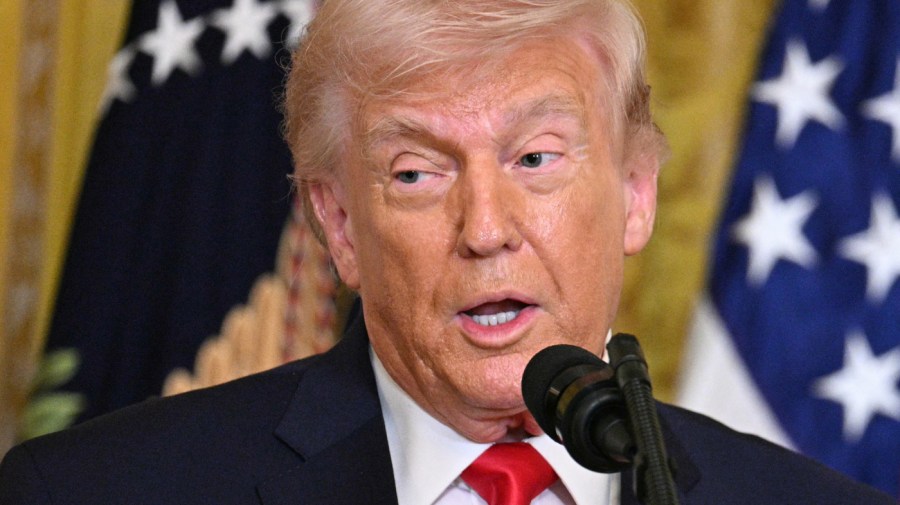
The integrity of upcoming elections in the United States is under scrutiny as concerns about potential interference by former President Donald Trump emerge. Analysts warn that the landscape of the 2026 and 2028 elections could be significantly altered if current trends continue, raising alarms about the fairness and transparency of the electoral process.
In recent months, Trump has made headlines with statements suggesting that he might pursue avenues to influence future elections. His actions have prompted discussions among political analysts and officials about the implications for democratic processes. The former president’s persistent claims of a rigged electoral system in the past have led many to speculate about his intentions going forward.
The Republican Party continues to navigate a complex political environment as it prepares for the upcoming elections. State legislatures have been critical battlegrounds where election laws are debated and established. Changes to these laws can directly impact voter access and ballot integrity. For instance, various states have introduced measures that could complicate voting procedures, potentially disenfranchising certain groups of voters.
According to the Election Assistance Commission, safeguarding election integrity is paramount. The commission has emphasized the importance of maintaining trust in the electoral process, stating that “voter confidence is essential to a healthy democracy.” Additionally, the National Association of Secretaries of State has reaffirmed its commitment to ensuring fair elections, urging all political parties to respect the democratic process.
As the political landscape evolves, the role of Congress will be pivotal in monitoring and addressing any attempts to undermine election integrity. Federal legislation may be necessary to establish uniform standards for elections, particularly as states implement varying regulations. With the midterm elections held on November 8, 2022, ensuring fair practices is more crucial than ever.
Public sentiment reflects growing unease regarding the future of elections. A recent survey indicated that a significant portion of the electorate is concerned about potential manipulation of the voting process. The apprehension extends beyond partisan lines, as many voters are wary of any actions that might compromise the democratic process.
In summary, as the 2026 and 2028 elections approach, vigilance is essential. Observers urge stakeholders to prioritize transparency and uphold the principles of democracy. With the specter of interference looming, collaborative efforts among officials and civil society will be vital in safeguarding the electoral process for future generations.