Concerns about potential domestic terror attacks in the United States have escalated amid ongoing military conflict with Iran and a partial shutdown of the Department of Homeland Security (DHS). The situation intensified after a series of strikes initiated by the U.S. and Israel on February 28, 2024, targeting Iran’s military infrastructure. As the conflict progresses into its third week, regional tensions have flared, especially following a missile strike that reportedly resulted in over 170 casualties, including many children, in southern Iran.
Public sentiment reflects this growing unease. A recent poll by Quinnipiac University indicates that 53% of registered voters oppose the U.S. military action, while 77% believe a terror attack on U.S. soil is likely as a result of the conflict. Javed Ali, a former DHS and FBI official, now a professor at the University of Michigan, highlighted the increased risk of Iran contemplating terrorism within the U.S. as the war escalates.
Impact of the DHS Shutdown
The ongoing shutdown of DHS, which has entered its fourth week due to a partisan impasse, complicates the federal response to potential threats. The agency has not issued any current advisories through the National Terrorism Advisory System (NTAS), which typically provides updates during wartime. The last bulletin was released in June 2023, warning of low-level cyber threats and extremist activities.
Ali expressed concern over the lack of updated guidance, noting that the DHS office of intelligence and analysis should remain operational even during funding lapses. Reports suggest that the White House paused the release of a draft bulletin earlier this month, raising further questions about the adequacy of communication regarding national security risks.
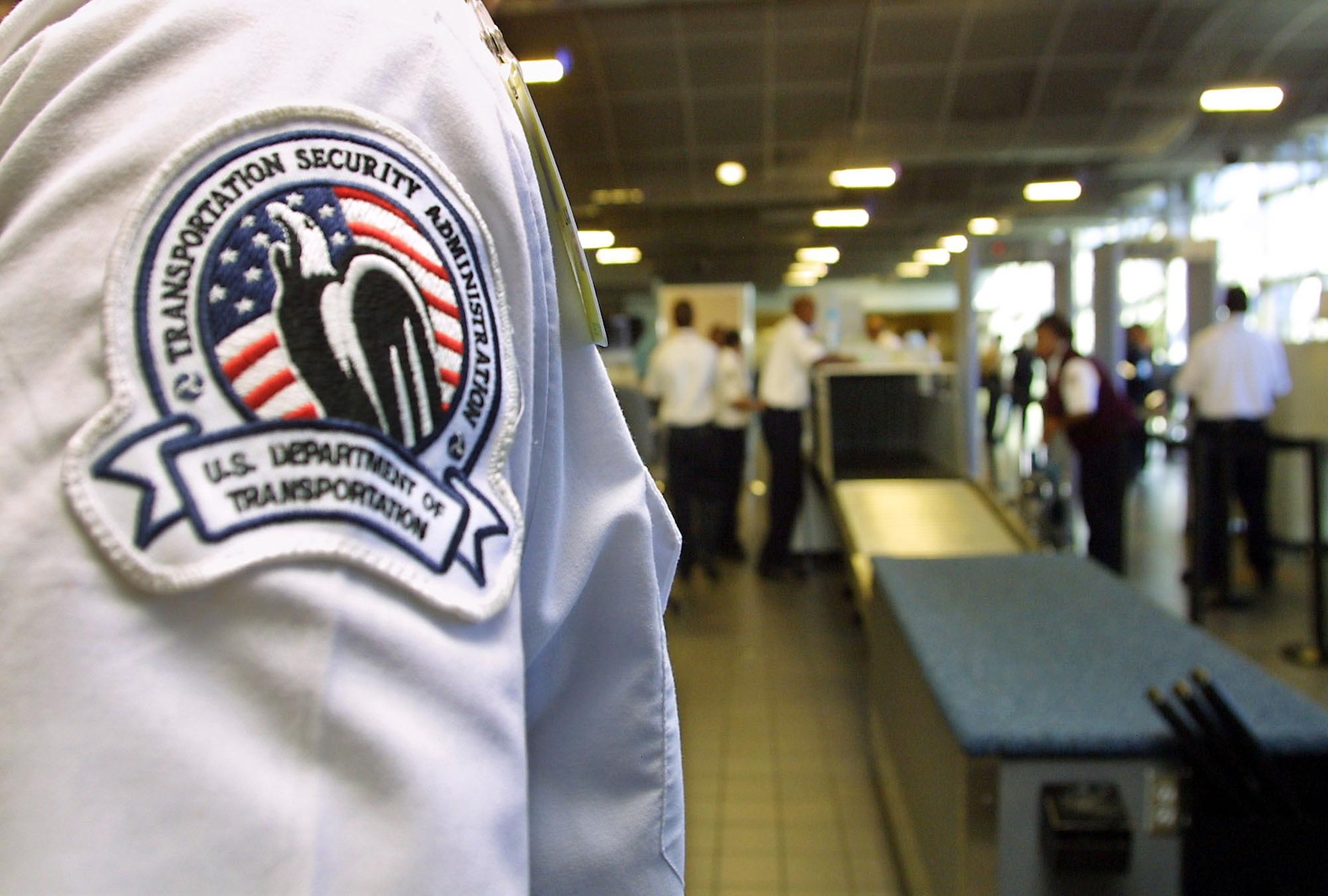
The shutdown has affected various DHS operations, including the Transportation Security Administration (TSA) and the Federal Emergency Management Agency (FEMA). As of the latest update, TSA agents missed their first full paycheck since the funding freeze began, which is likely to impact morale and operational capacity.
Cybersecurity Threats and Domestic Safety
Despite the absence of direct threats, Iran has a history of launching cyber attacks against U.S. targets. Recently, an Iran-linked hacking group claimed responsibility for a cyberattack on Stryker Corporation, a Michigan-based medical equipment manufacturer, disrupting its computer systems. Ali emphasized that Iran has demonstrated sophistication in the cyber realm, capable of conducting both high-level attacks and misinformation campaigns.
Nick Andersen, the acting director of the Cybersecurity and Infrastructure Security Agency (CISA), reassured the public that the agency continues to fulfill its obligations despite the ongoing DHS shutdown. He stated, “We are working shoulder-to-shoulder with our public and private-sector partners as we continue to uncover relevant information and provide technical assistance for the targeted attack on Stryker.”
The impacts of the DHS shutdown are also felt in the broader context of national security. Dan Herman, a senior director at the Center for American Progress, underscored the risks associated with diminished funding and staffing in agencies dedicated to counterterrorism efforts. He asserted that these cuts hinder the ability of intelligence agencies to adequately assess and respond to threats.
As discussions continue regarding funding and operational reforms, Mississippi Representative Bennie Thompson, the top Democrat on the House Homeland Security Committee, criticized the shutdown. He argues that the ongoing military actions against Iran necessitate a robust response to domestic threats. “The amazing DHS workforce is still working around the clock to protect life and property,” Thompson stated. “It’s even more important that we protect our airports, cyber networks, and respond to disasters.”
In conclusion, the combination of heightened geopolitical tensions and the operational challenges posed by the DHS funding lapse has created an environment of uncertainty regarding national security. The potential for terrorism, while not guaranteed, remains a concern as the U.S. navigates this complex and volatile situation.