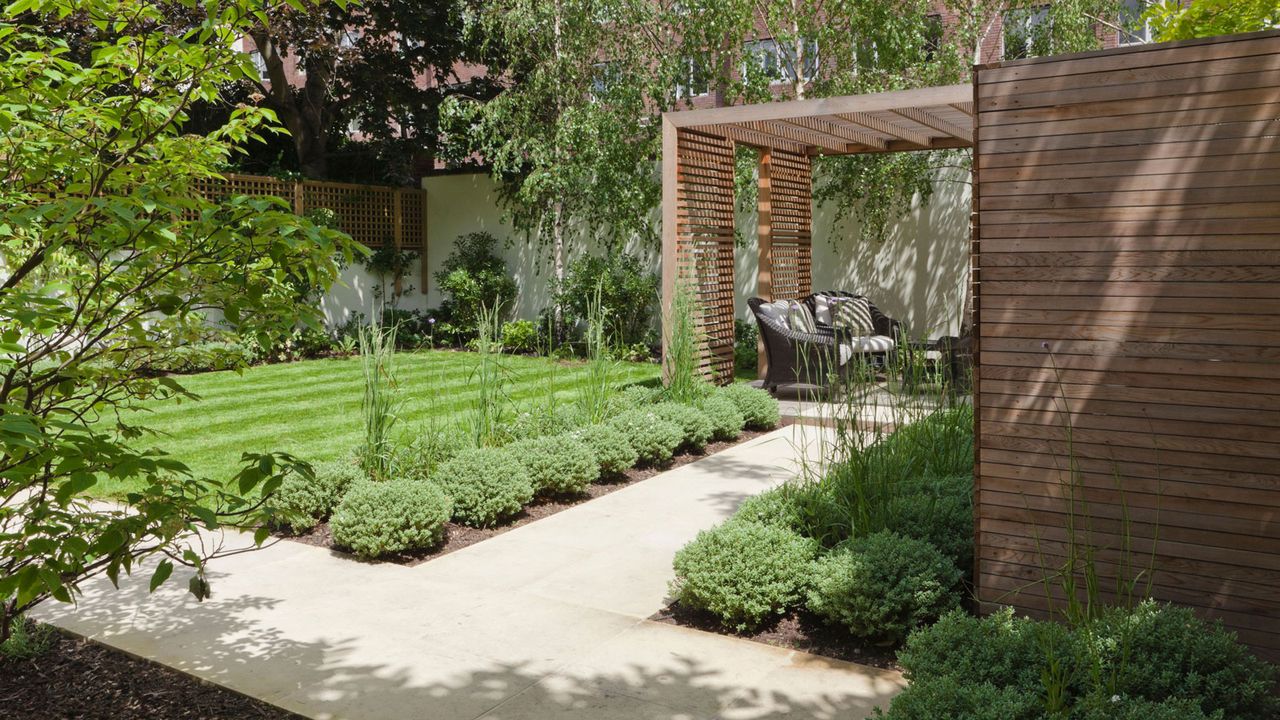
As gardening enthusiasts prepare for the warmer months, many turn to social media platforms like Pinterest and Instagram for inspiration. However, a recent review of common garden design trends reveals that not all ideas translate well from screen to soil. Experts suggest five popular concepts that may look appealing online but often fail in practicality, along with alternatives that can create a more successful garden space.
1. Oversized Containers: Impact or Overwhelm?
Giant pots and planters can add height and visual interest to outdoor areas. Yet, if not utilized effectively, they can overshadow the space, making it feel cramped. Landscape designer Caroline Ervin emphasizes the importance of thoughtful planning. “Creating a pot display can look very unintentional,” she explains. “But planning properly will make a patio look lush and inviting, not crowded or cluttered.”
To achieve a balanced look, Ervin advises using a variety of container sizes grouped in odd numbers, with the smallest planter at least half the size of the medium one. Choosing a cohesive color scheme with varied textures can enhance visual appeal without appearing chaotic. When selecting materials, consider durability, especially in colder climates. Options range from classic terracotta to colorful fibreglass or ceramics, with retailers like Lowes offering matching sets for convenience.
2. The Pitfalls of Perfect Symmetry
While symmetry can create a formal and balanced atmosphere in garden design, it often results in a rigid and artificial appearance. Dave Marciniak from Landscape Design Lab advises against strict mirror symmetry, suggesting instead that balance can be achieved through visual weight. For example, one side of the garden could feature a cluster of large shrubs while the other showcases a single large tree.
Shrubs form the backbone of any garden, providing structure and interest year-round. Evergreens, like Buxus, are excellent choices for consistent structure, adaptable to various design styles. They can be purchased from sources like Nature Hills, and their versatility makes them ideal for creating visual interest in odd-numbered groupings.
3. Decorative Ornaments: Less is More
Incorporating decorative ornaments such as sculptures can personalize a garden but overdoing it can lead to visual clutter. Marciniak suggests focusing on a single focal point, whether it be a piece of art or a striking plant. “When we’re in a space, we want to know where to look,” he notes, highlighting the importance of a calming environment.
Choosing a standout piece, such as a water feature or a unique planter, can enhance the tranquil atmosphere of an outdoor space. For instance, the Crescent Garden planter bowl available on Amazon serves as an effective focal point, promoting tranquility and movement through its design.
4. Monochrome Flower Schemes: A Risky Choice
While monochrome flower schemes can create a striking visual, they often lack depth and contrast, particularly in bright sunlight. Ervin recommends utilizing a palette of three to four colors, complemented by various foliage types, to create a more dynamic planting scheme. “Good planting design incorporates color and texture, and provides blooms and interest throughout the year,” she explains.
Incorporating plants with contrasting foliage, such as Heuchera ‘Palace Purple’ or varieties of hostas, can add visual interest even when not in bloom. This layered approach ensures that gardens remain vibrant and captivating across all seasons.
5. Low-Maintenance Plants: Reality Check
The allure of low-maintenance gardening often leads to the selection of plants that may not thrive in specific conditions. Many low-water plants require proper placement to flourish. For instance, sun-loving varieties like lavender may struggle in shaded or damp spots. It is crucial to align plant choices with their environmental needs to avoid disappointment.
To ensure the success of these plants, especially during their establishment phase, consider installing an irrigation system. Modern solutions, like a solar-powered irrigation set available on Amazon, can help maintain the necessary moisture levels for new plantings.
As spring approaches, these insights into garden design aim to guide enthusiasts in creating outdoor spaces that are not only visually appealing but also practical and sustainable. By avoiding common pitfalls and embracing thoughtful design principles, gardeners can cultivate spaces that thrive season after season.