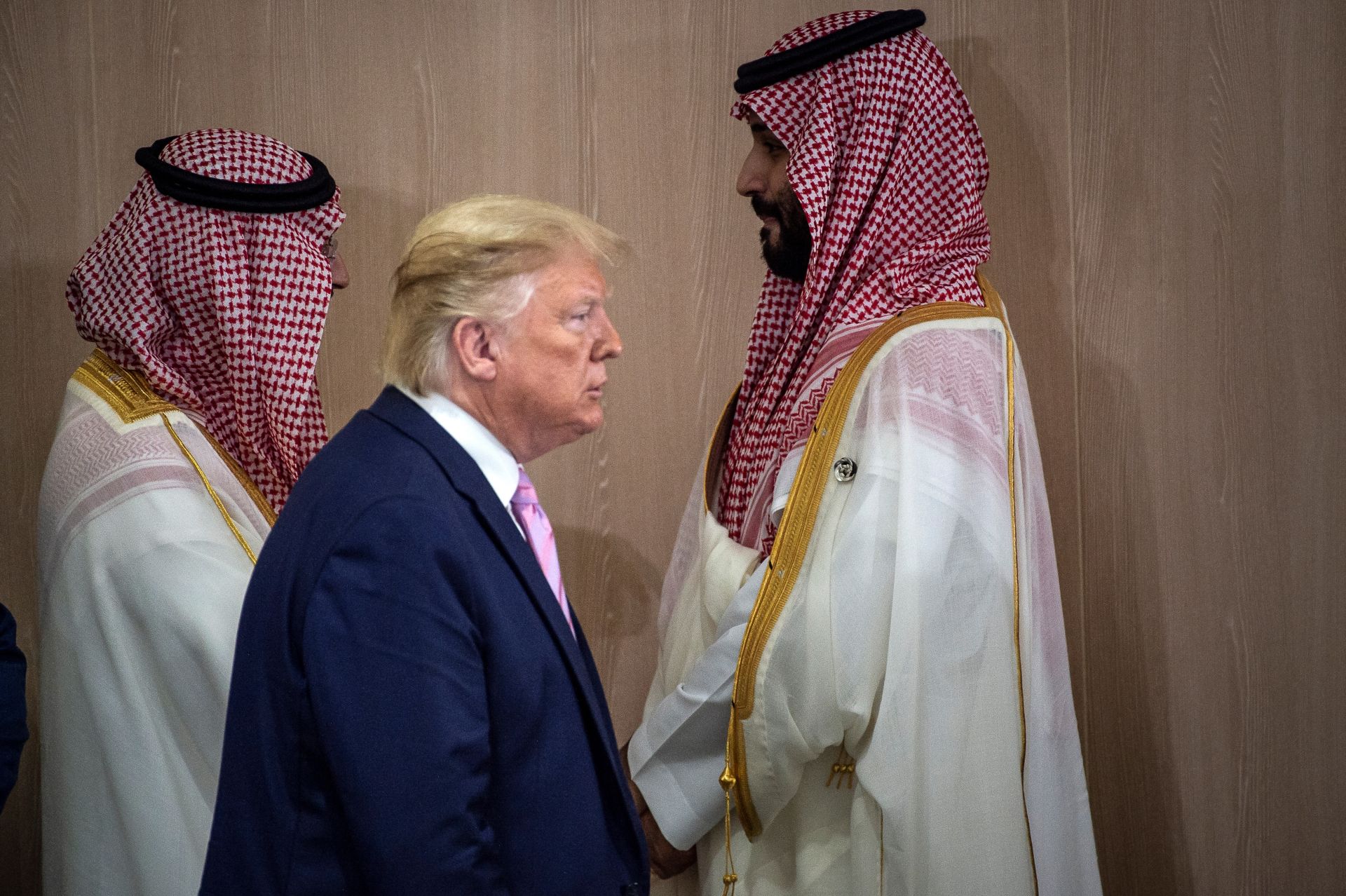
The ongoing conflict in Iran has led Gulf States to reconsider their relationship with Washington. As tensions escalate, several leaders are expressing doubts regarding U.S. support, reflecting a growing sentiment that American protection may not be reliable. This shift in perception comes as Gulf nations, particularly the United Arab Emirates (UAE), have become targets of Iranian missile and drone strikes.
Initially, the Gulf States maintained a low profile as the conflict unfolded. The uncertainty surrounding the duration and impact of Iranian retaliatory actions created a climate of caution. However, as the situation evolved over the past week, it became evident that this crisis has lasting implications.
Discussions regarding the source of the conflict have intensified. Many in the region believe that Iran’s strategy aims to pressure Gulf States into advocating for a cessation of hostilities against it. Amr Moussa, the former secretary-general of the Arab League, articulated this concern in a post on X, stating that the U.S. strikes on Iran were a calculated move to reshape the geopolitical landscape, favoring Israel.
In response, prominent Saudi journalist Abdulrahman al-Rashed emphasized that framing Iran as a mere pawn overlooks its history of aggression towards neighboring states. He pointed out that nations such as Iraq, Lebanon, and Yemen have long endured the consequences of Iran’s expansionist endeavors. Al-Rashed’s perspective highlights a divide in the Gulf States’ stance towards Iran, as some perceive it as an existential threat while others view the U.S. actions as misguided.
Moussa further asserted that the Arab world must unite against Iranian aggression, emphasizing that any assault on an Arab nation demands a collective response. This call for solidarity resonated with many, but it also sparked further debate regarding the appropriate strategies to counteract the threats posed by both Iran and Israel.
Lt. Gen. Dhahi Khalfan from Dubai’s police force pointed out that the threats from Israel and Iran are interconnected, warning that reliance on external powers, particularly the U.S., compromises regional stability. Business leader Khalaf Al Habtoor echoed this sentiment, urging Gulf nations to rely on their own capabilities rather than seeking support from external allies whose interests may not align with theirs.
The discourse surrounding these issues reflects a broader reassessment of alliances within the Gulf. Both Moussa and al-Rashed, despite lacking political titles, represent influential voices in the region. Their opinions often mirror the sentiments of elites closely tied to power structures, revealing an increasing willingness to address the complexities of regional dynamics.
UAE President Mohammed bin Zayed recently spoke publicly about the situation, asserting his nation’s resilience. During a hospital visit in response to the attacks, he stated, “All is well in the UAE,” and warned adversaries, “We are not easy prey.” His remarks indicate a shift towards a more assertive stance, signaling that the Gulf States may no longer tolerate intimidation from Iran.
Qatar’s Prime Minister Mohammed bin Abdulrahman bin Jassim Al Thani expressed feelings of betrayal regarding the changing dynamics in the region. He articulated that the recent attacks have fundamentally altered Qatar’s relationship with Iran, highlighting a newfound assertiveness among Gulf leadership. This perspective suggests an understanding that reliance on external allies for security may be inadequate in the current landscape.
As Gulf countries grapple with the implications of escalating attacks on their territories, they face pressures that could inadvertently pull them into the conflict. Lindsey Graham, a U.S. senator, recently suggested that the GCC should become more involved in the war, provoking a response from Al Habtoor. He reminded Graham that the U.S. initiated the conflict without consulting regional leaders, emphasizing that Gulf nations would not sacrifice their citizens for the interests of others. Notably, this statement was later deleted, possibly indicating the complexities and sensitivities surrounding public discourse on the matter.
The shifting attitudes within Gulf leadership reflect a broader acknowledgment of the region’s vulnerabilities and the limitations of external support. As the situation continues to develop, these nations are likely to navigate a complex landscape of geopolitical alliances and internal pressures, striving to assert their autonomy amid external conflicts.