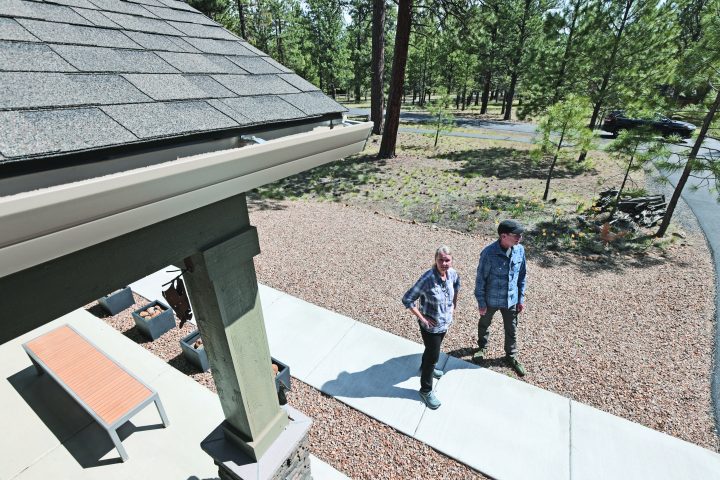
Bend, Oregon, is poised to implement a new building code that mandates fire-resistant materials for residential construction. The Bend City Council expressed strong support for the initiative during a work session last week, with a vote anticipated as early as April 1, 2026. If adopted, this code would position Bend as the largest jurisdiction in Oregon to enforce such regulations, joining other areas like Sisters and Deschutes County.
The proposed code, known as R327, aims to mitigate the risk of wildfire devastation while potentially making home insurance more accessible in vulnerable regions. This initiative, often referred to as “home hardening,” is grounded in research indicating that homes constructed with specific materials—such as asphalt, concrete, and stone—are less likely to ignite when exposed to flames or embers.
Key Features of the New Code
In addition to requiring fire-resistant materials, the code includes standards to prevent embers from entering homes, such as using mesh vents with sufficiently small openings. The state legislature had previously attempted to adopt this code, but local officials regained control after backlash over a computer-generated mapping system that assigned wildfire hazard ratings to properties across the state. According to the map, Bend’s high-risk areas primarily lie near the city limits.
Melissa Steele, Bend’s deputy fire marshal for wildfire preparedness, emphasized the importance of the code during the city council meeting on February 25. She stated, “I’m not necessarily worried about a wildfire on those outlying interface zones coming into the city, but more of an ignition in the city sweeping through the city and going out toward the forest.” This perspective highlights a growing awareness that urban areas are not immune to wildfire risks.
The new regulations will apply only to new residential constructions, excluding commercial and multifamily buildings. Bend already has protocols in place regarding flammable vegetation and mandates fire buffers in certain developments. Future considerations may include requirements for defensible space, which could involve specific landscaping or fencing materials to enhance protection against wildfires.
Community Response and Insurance Implications
Public interest in wildfire preparedness surged in 2025, following devastating fires in Southern California. Last year, the city received over 1,000 requests for wildfire preparedness assessments, a significant increase from the usual 115 requests. The Project Wildfire Neighborhood Coalition, a collective of around 80 communities in Central Oregon, has been advocating for the adoption of R327. In a letter from December, the coalition stated, “As our neighborhoods continue to grow, how we build today will determine whether our communities are resilient — or continually vulnerable — to the next major fire.”
Residents in wildfire-prone areas across Central Oregon have reported rising insurance rates and even policy cancellations due to the increasing frequency and severity of wildfires. The new code is seen as a potential means of improving insurability for homes in these regions. Concurrently, the state legislature is reviewing a bill that would require insurance companies to factor in wildfire preparedness measures when determining policy terms.
According to Sarah Hutson, a policy analyst in the city manager’s office, the residential building code could have impacted approximately 700 homes in Bend in 2025. To meet state growth goals, the city needs to construct around 1,700 homes annually over the next two decades, which includes multifamily housing.
While the implementation of the wildfire code is seen as a positive step, it may lead to an increase in construction costs. Hutson estimates that using wildfire-resistant materials could raise costs by 2% to 3%, while the state’s building codes division suggests overall construction expenses could rise by up to 11%.
The Central Oregon Builders Association, typically cautious about policies that escalate costs, has shifted its stance to support local governments adopting R327. Garrett Mosher, the group’s Government Affairs Director, stated that this change was driven by growing concerns over wildfire risks and the lending challenges faced by residents.
Councilor Gina Franzosa expressed apprehension regarding the rapid timeline for adoption, suggesting that builders may not be adequately prepared for the proposed changes. She advocated for implementing the code selectively near the city’s edge rather than uniformly across Bend.
As Bend navigates these new regulations, it faces the challenge of balancing housing development with sustainability and climate resilience. The city is also introducing fees for builders who install natural gas appliances to curb greenhouse gas emissions. In 2024, the city mandated that builders preserve a specific number of trees or incur a fee for removal.
Councilor Mike Riley remarked that such measures are necessary to address the risks associated with wildfires and climate change, stating, “Preparing ourselves for the future is part of what this code is about, is trying to reduce those risks.”
As Bend moves forward, the adoption of the wildfire building code reflects a proactive approach to enhancing community resilience in an era of increasingly severe environmental challenges.