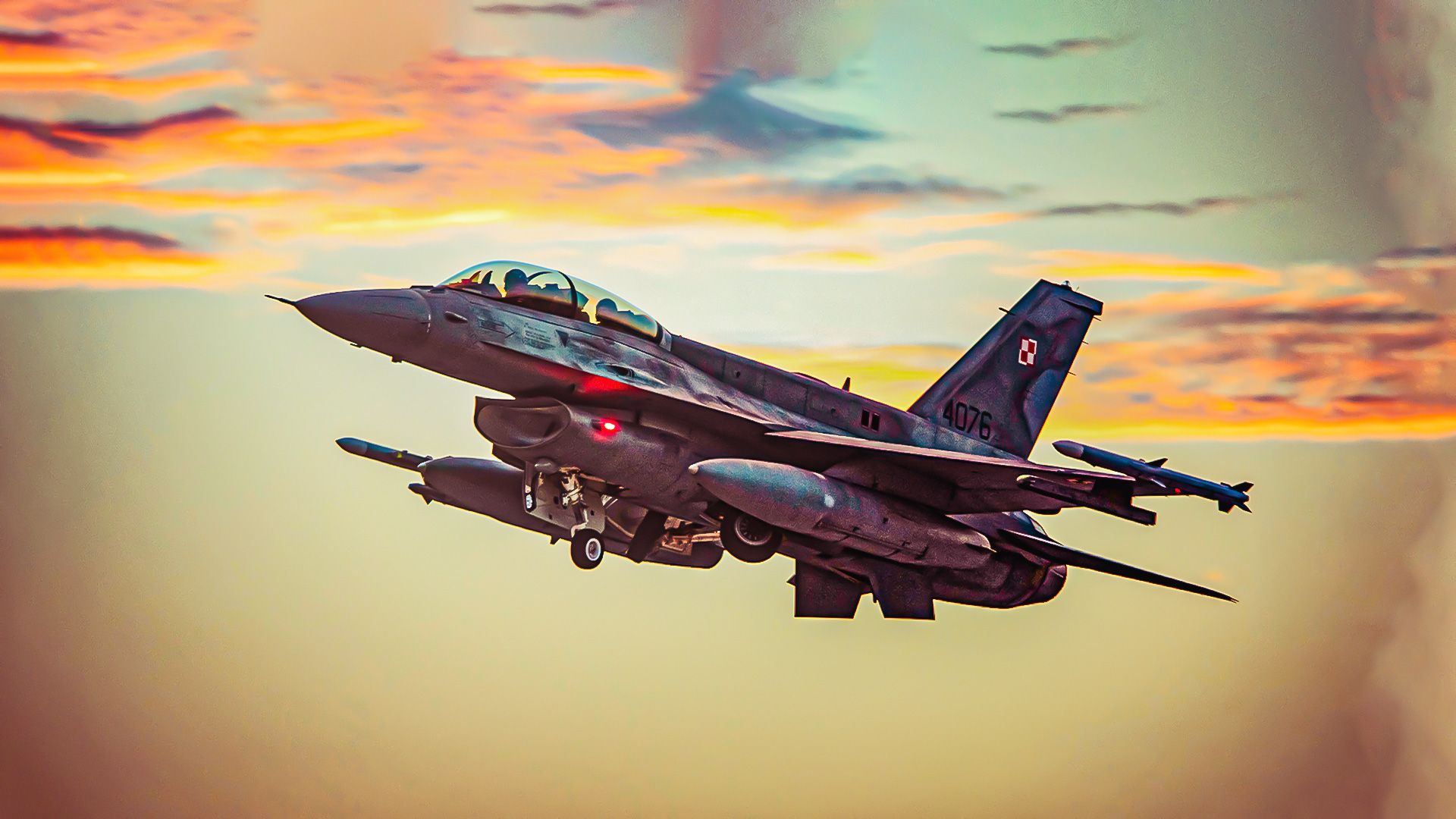
Israeli airstrikes on Iranian missile launchers and military factories have intensified, prompting retaliatory attacks by Iran across the Gulf region. This escalation, which began several days ago, has resulted in significant casualties and disruption to energy supplies and travel.
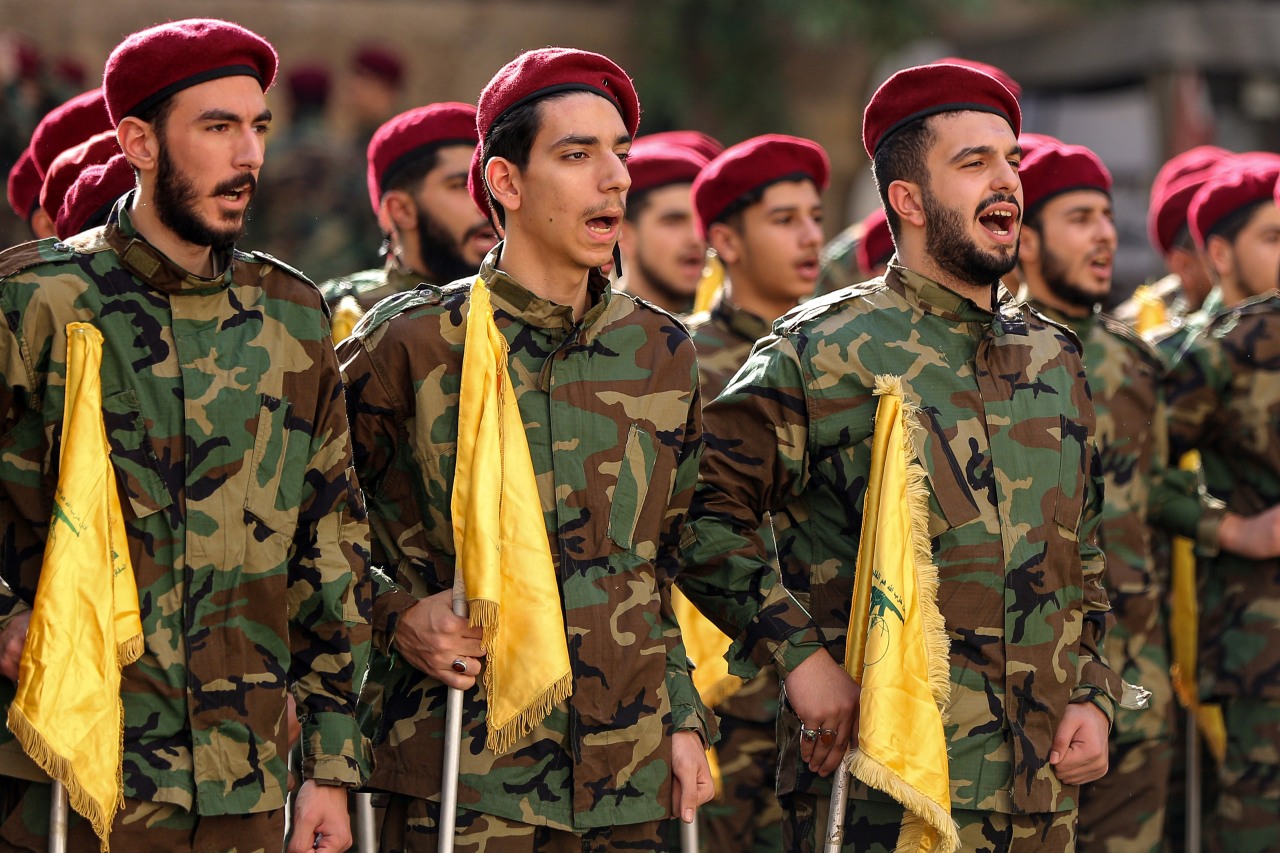
Explosions were reported in key areas including Tehran and southern Lebanon, where Israel targeted Hezbollah militants. The situation escalated further when the U.S. Embassy in Riyadh was struck by drones, causing a limited fire and prompting the embassy to advise American citizens to avoid the compound.
As the conflict continues, reports indicate that over 787 people have died in Iran alone, while 40 fatalities were confirmed in Lebanon, including children. The human toll underscores the escalating violence, with U.S. military personnel also affected; the Pentagon confirmed six American service members have died during the ongoing hostilities.
The U.S. administration, led by President Donald Trump, has outlined four objectives for the military campaign: to dismantle Iran’s missile capabilities, eliminate its naval forces, prevent the development of nuclear weapons, and disrupt its support for allied armed groups. Trump mentioned that potential future leaders of Iran, whom the U.S. had considered, are no longer viable as they have been killed in the conflict.
While air raid sirens wailed across Israel, Iranian forces launched dozens of ballistic missiles, resulting in some strikes landing and causing casualties. Although Israel intercepted most missiles, reports confirm that 11 people have been killed from incoming fire.
In a press briefing, Trump stated that he envisions a leadership transition in Iran that comes from within the existing regime, cautioning against appointing someone as problematic as the previous leadership. The need for a new supreme leader is urgent, as the death of Ayatollah Ali Khamenei has left a power vacuum. Candidates for this role vary from hard-liners favoring confrontation to reformists advocating for diplomacy.
Information from within Iran remains limited due to severe restrictions on communications and media coverage. However, airstrikes have been continuous, disrupting daily life in cities like Tehran, where residents reported hearing explosions throughout the night.
Israeli forces have targeted military sites in both Tehran and Isfahan. The United Nations nuclear watchdog noted damage at Iran’s Natanz nuclear enrichment site, with no immediate radiological consequences expected. Israeli Prime Minister Benjamin Netanyahu alleged that Iran is attempting to rebuild underground facilities for nuclear weapons development.
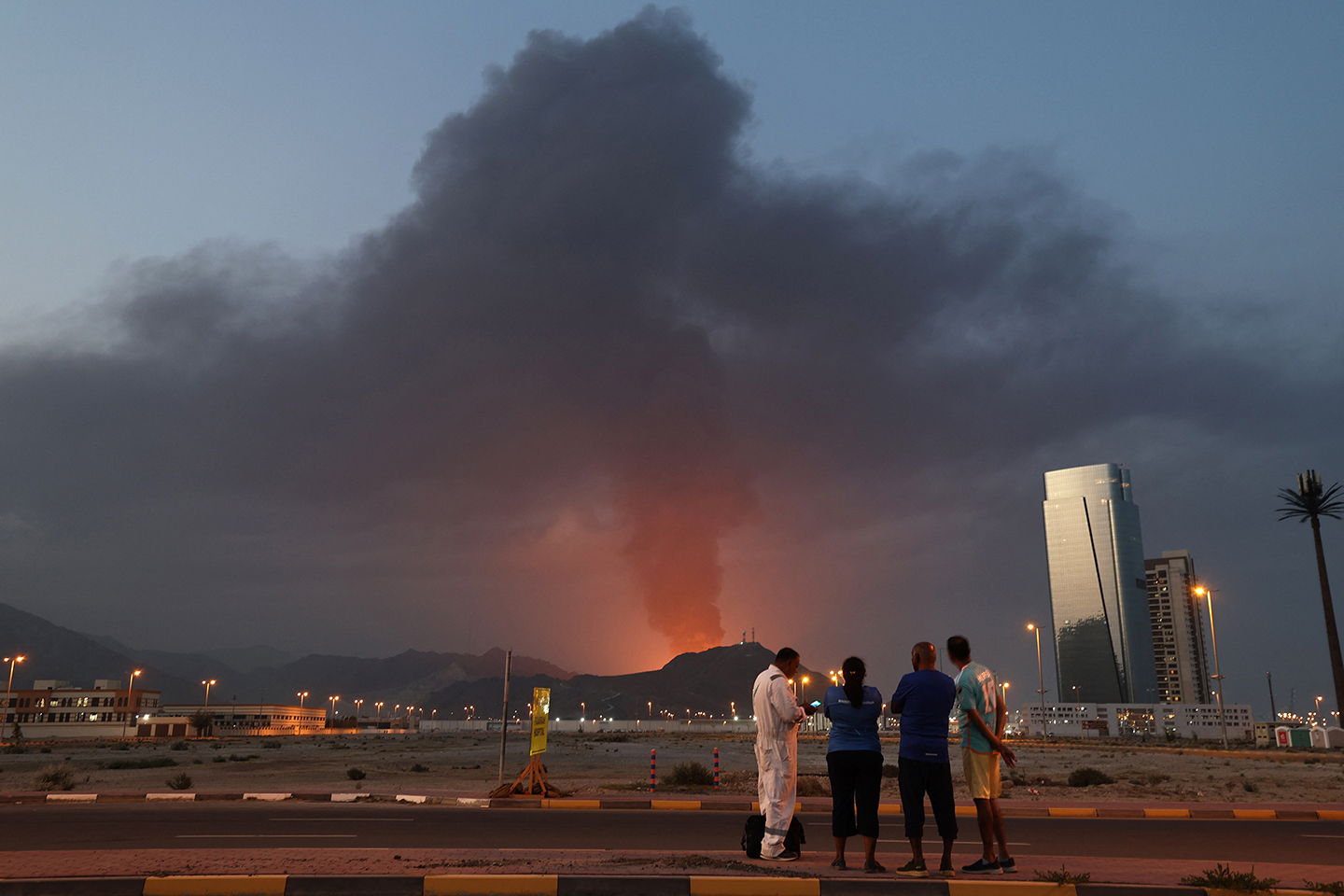
The conflict’s ramifications extend beyond military engagement, with fears of further destabilization in the region. Iran has responded to U.S.-Israeli actions by targeting facilities in neighboring countries, including energy infrastructure in Qatar and Saudi Arabia, and has threatened to block the Strait of Hormuz, a critical passage for global oil transport.
The U.S. has taken precautionary measures, evacuating non-emergency personnel from embassies across the Middle East, including Kuwait, Bahrain, Iraq, and Jordan. The conflict has prompted additional countries to arrange evacuation flights for their citizens, as tensions continue to mount in the region.
As the situation evolves, the international community watches closely, concerned about the potential for further escalation and the impact on global energy markets. The ongoing conflict threatens to destabilize not only the Middle East but also the broader international economy, as energy supplies become increasingly disrupted.