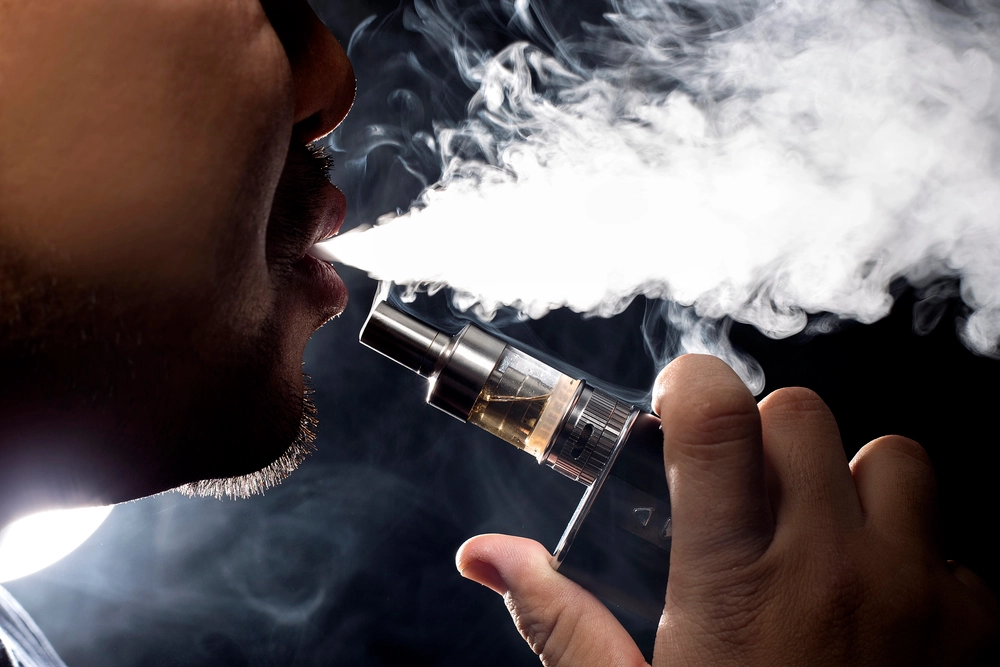
URGENT UPDATE: A shocking new study from the University of California, Davis has uncovered alarming levels of toxic heavy metals in illegal vape devices, raising significant public health concerns in Hungary. The findings, which confirm the presence of carcinogenic metals like lead and nickel in popular disposable vapes, demand immediate attention from health officials and the public.
Recent research reveals that some disposable vapes expose users to as much lead as smoking 19 packs of cigarettes. These illegal devices, widely available on the black market, contain heavy metals classified as carcinogenic by international health organizations. With 22% of Hungarian students aged 13-15 admitting to having tried e-cigarettes, the risk of exposure to these hazardous substances is escalating alarmingly.
The study examined three popular vape brands, detecting toxic substances such as lead, nickel, and antimony in all samples. Lead, a potent neurotoxin, poses severe health risks with no safe exposure limit, while nickel is linked to respiratory cancers and heart disease.
The lead researcher noted, “One device contained components made from leaded copper alloy, which can leach toxic substances into the liquid even before use.” This stark reality illustrates the dangers posed by illegal vaping products, further heightened by the use of low-quality lithium-ion batteries that can overheat and cause fires.
In Hungary, despite strict regulations mandating that tobacco products be sold only in licensed shops, illegal vapes continue to flood the online market. The National Tax and Customs Administration (NAV) is actively combating this issue, recently seizing over 100 illegal devices from an online trader facing fines reaching millions of forints.
Authorities are sounding the alarm: consumers have no way of knowing the safety of these unregulated products. Experts warn that without immediate action, the black market will continue to thrive, putting more young lives at risk.
Hungary has implemented strict laws banning the online sale and import of flavored e-cigarettes, with fines ranging from 1 to 50 million forints for individuals and 5 to 500 million forints for companies. However, experts say these measures are insufficient.
To combat the rising trend, officials recommend enhanced customs inspections of parcel deliveries, mandatory chemical testing for legally sold devices, and comprehensive prevention programs in schools. These initiatives must not only focus on prohibition but also educate students on the specific health risks associated with lead exposure and other carcinogenic metals.
As 2024 data from the National Public Health Centre indicates, the urgency for action is palpable. The health implications of illegal vaping are profound, and authorities must act decisively to protect public health.
Stay informed as this situation develops. The health of Hungary’s youth hangs in the balance, and immediate measures are essential to curb this dangerous trend. Follow our channels for the latest updates on this critical public health issue.