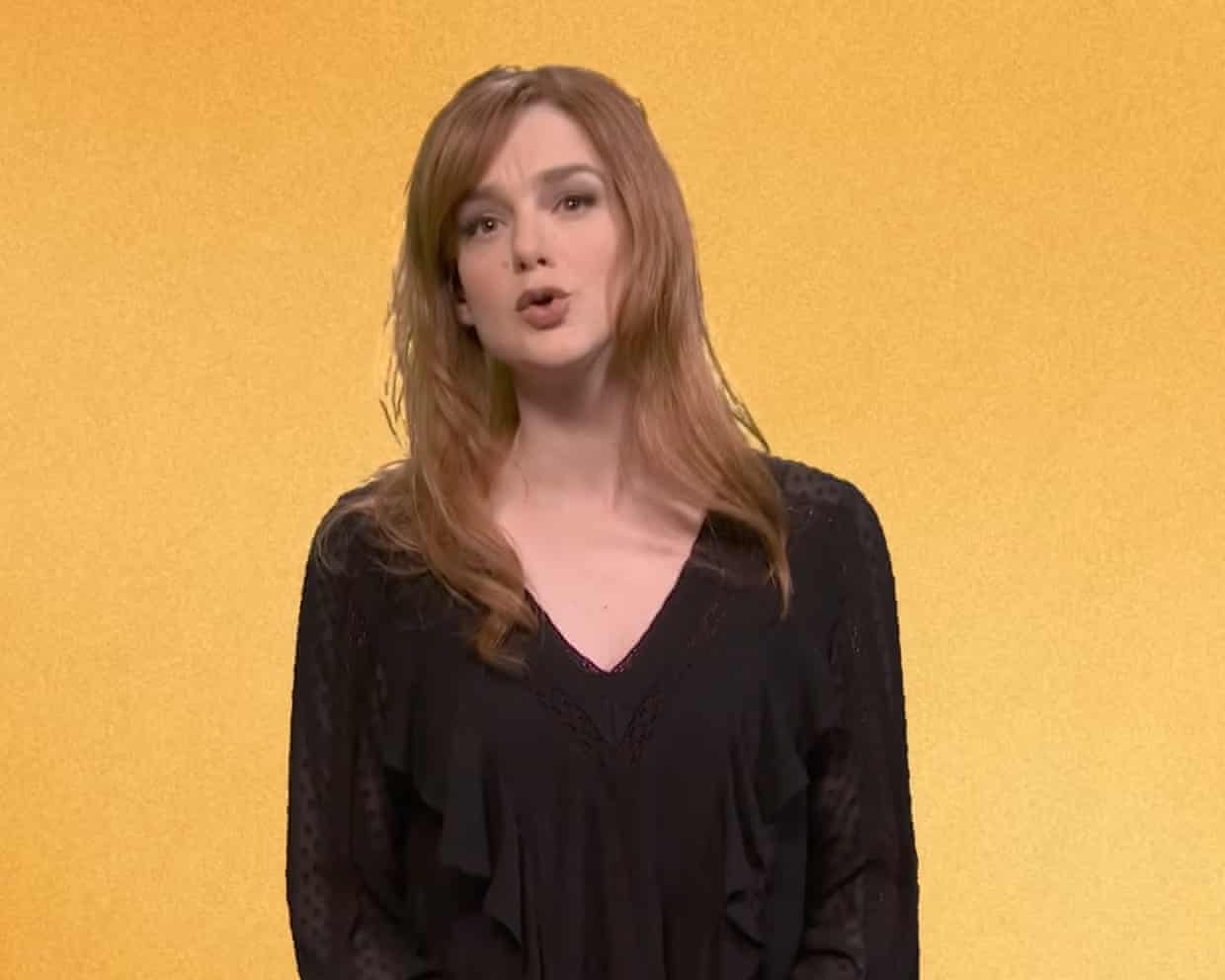
Saturday Night Live (SNL) is facing significant criticism following a sketch that mocked the Bafta N-word controversy, with a prominent charity for Tourette syndrome branding it “horrific.” The segment, which aired in a public service announcement style, featured cast members impersonating well-known figures and attributing their controversial remarks to Tourette syndrome. Although the sketch was cut from the live broadcast on March 1, 2024, it was subsequently shared on YouTube, intensifying the backlash.
In the sketch, cast member Andrew Dismukes portrayed actor Mel Gibson, claiming, “I too suffer from Tourette’s, which explains a lot of the things I’ve said or yelled through the years.” Other cast members included Ashley Padilla as JK Rowling, who stated, “Now you know it was all the Tourette’s fault,” and Connor Storrie as actor Armie Hammer, who joked about cannibalism being a side effect of the condition.
Emma McNally, CEO of Tourette Action, expressed her disapproval, stating, “Mocking a disability is never acceptable. It would not be tolerated for any other condition, and it should not be tolerated by people with Tourette’s.” Her comments reflect a growing frustration with portrayals of disabilities in entertainment that fail to convey the realities faced by those living with them.
The sketch referenced a real incident from the Baftas earlier this year, where John Davidson was heard shouting a racial slur during a presentation. Davidson later expressed his distress, clarifying, “My tics are not an intention, not a choice and not a reflection of my values.” McNally echoed these sentiments in her statement, emphasizing that Tourette syndrome is a complex neurological condition, not a source of humor or entertainment.
Criticism of the sketch has been widespread. Comedian Al Murray described it as “vile” and “disgusting,” questioning the ethics of humor that targets marginalized communities. Former Member of the Scottish Parliament Joan McAlpine drew parallels to past controversies, stating, “We were rightly appalled when Trump mocked a disabled person. So why is it different when SNL mocks people with Tourette’s?”
The backlash continued as the NAACP Image Awards also made light of the Bafta incident. Host Deon Cole jokingly advised any white men in the audience with Tourette’s to “read the room.” This prompted further outrage from media personalities, including Piers Morgan, who condemned the continued mockery of Davidson’s condition as “despicable.”
McNally concluded her statement with a heartfelt appeal for empathy, highlighting the abuse that members of the Tourette community have faced in recent days. “The trolling and harassment members of our community have endured has been horrific,” she noted, urging the public to recognize the pain caused by such portrayals. “No one should ever be treated that way,” she added, reinforcing the need for understanding and compassion in discussions surrounding disabilities.
As the conversation around this sketch unfolds, it raises important questions about the responsibilities of media in portraying disabilities accurately and sensitively. The backlash against SNL’s sketch serves as a reminder that humor does not exempt individuals or organizations from the need for accountability and respect.