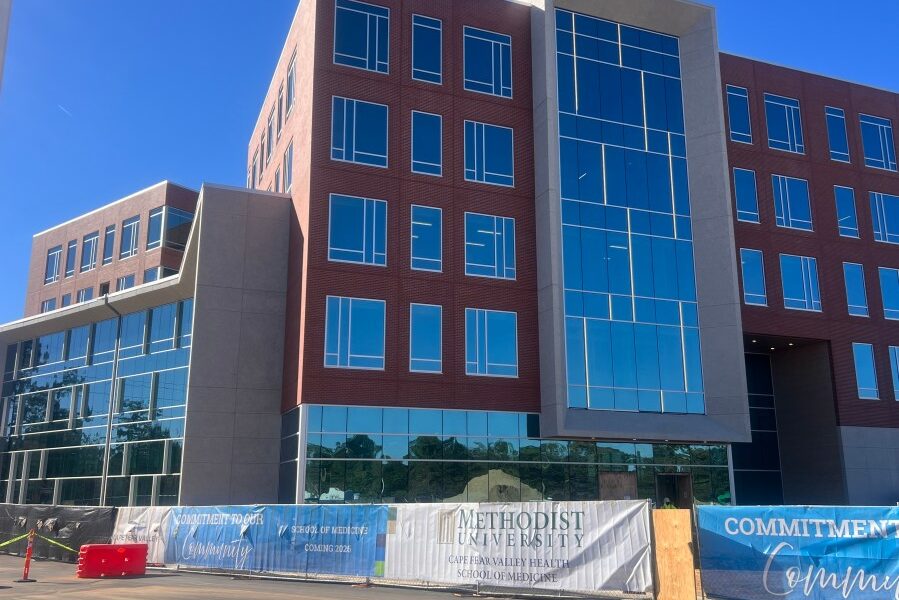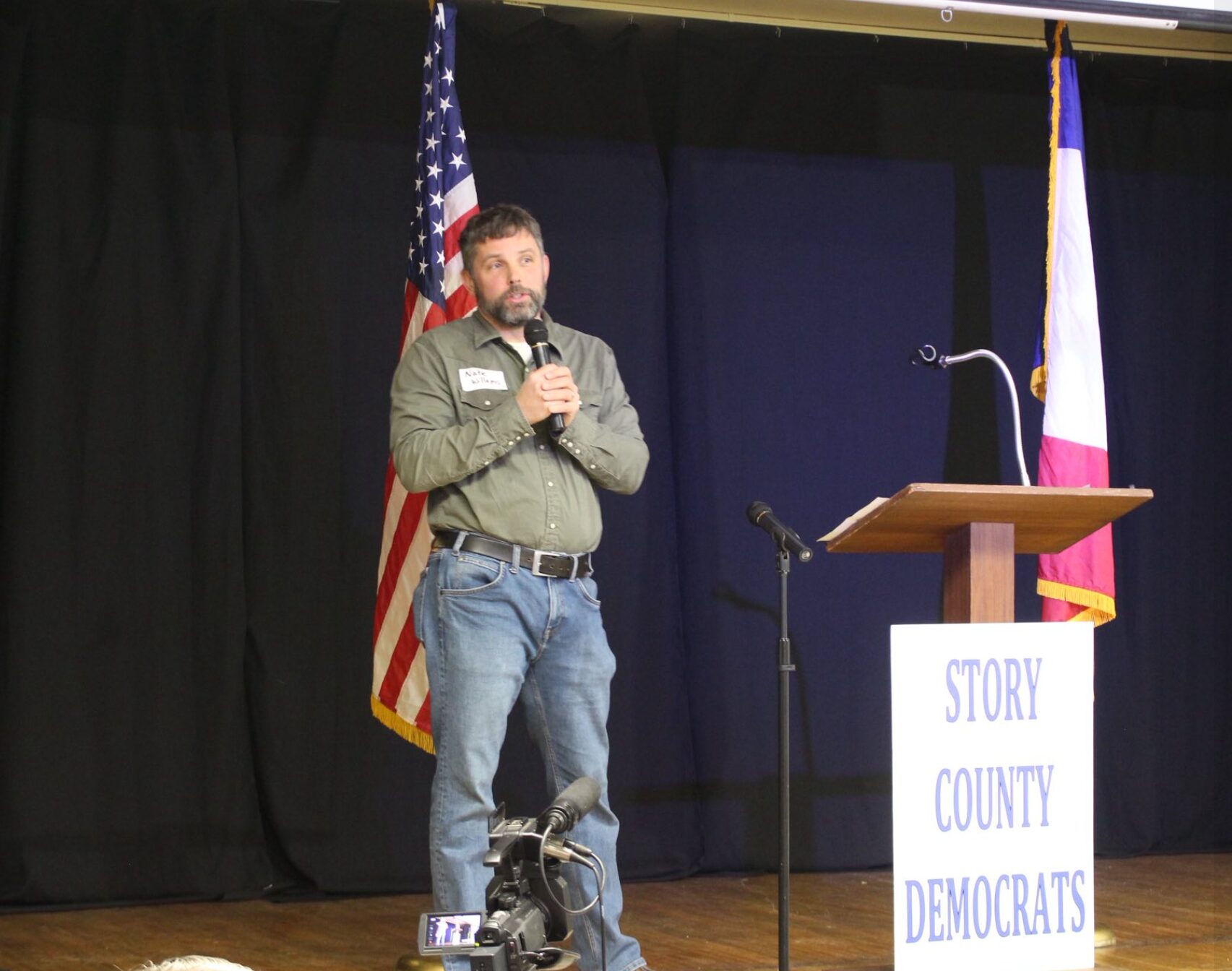
UPDATE: Over 320 attendees packed the Collegiate United Methodist Church in Ames, Iowa, for the Story County Democrats’ annual “Soup and More” fundraiser on Saturday. This event marks the highest turnout since 2020, signaling a surge in political engagement as the November elections approach.
The fundraising event featured an impressive lineup of eight Democratic candidates running for various Iowa offices, igniting discussions on critical issues facing the state. Donations collected will support local food banks and the Story County Democratic Party, reflecting the community’s commitment to both political activism and social responsibility.
Maddie Anderson, chair of the Story County Democrats, expressed enthusiasm about the turnout, stating, “I counted at least 320 people, which is more than we’ve had since Kamala Harris was here running for the nomination in 2020.” This resurgence in attendance indicates a growing desire for change among Iowa voters.
Among the speakers was Nate Willems, a candidate for attorney general, who emphasized the need for a revitalized Consumer Protection Division. “I’m running for attorney general to rebuild the Consumer Protection Division that Tom Miller built over the course of 40 years,” Willems asserted. He highlighted concerns about the state’s current leadership and the public’s yearning for reform.
The atmosphere was charged with urgency as attendees voiced their fears about recent legislative changes, including the SAVE America Act, which passed the U.S. House on February 11. This bill raises concerns about voter disenfranchisement, particularly among married women who may struggle to provide matching documentation. “We’re really concerned about losing our democracy,” said attendee Teri Veysey, echoing the sentiments of many present.
Discussions moved beyond federal issues, with attendees focusing on Iowa-specific challenges, including the controversial Education Savings Account (ESA) program. Judy Lemish criticized the lack of transparency in the ESA funding, arguing it undermines the separation of church and state by financing private and religious schools. “We’re raising money and we’re getting people energized to go vote and fight for what they believe,” Lemish said.
Water quality emerged as another significant topic, with Chris Jones, a candidate for secretary of agriculture, condemning the state’s failure to address this pressing issue. “We’re not in a water quality crisis; we’re in a state of failure,” he declared, attributing the problem to corporate interests overriding public health concerns. Jones highlighted the disparity in state spending, noting, “Iowa has paid gas stations $70 million to accommodate ethanol while spending just $2 million on sourcing local foods for public schools.”
The event concluded with remarks from Rob Sand, the state auditor, who criticized recent legislative efforts aimed at limiting the governor’s power. “They’re literally advancing bills to limit the power of the next governor,” Sand warned, pointing to three proposed bills that could significantly alter governance in Iowa.
Other speakers included Julie Stauch for governor, Ryan Peterman for secretary of state, Wade Dooley for secretary of agriculture, Taylor Wettach for state auditor, and John Norwood for state treasurer, each contributing to a robust discussion on the future of Iowa.
As the community rallies for change, the urgency of these discussions cannot be overstated. The upcoming elections will test the resolve of Iowa’s voters to reclaim their political landscape. Stay tuned for further updates as these crucial races unfold.