A growing number of advocates and child protection attorneys are sounding the alarm over the inadequacies of child mental health services in Connecticut. The situation has reached a crisis point, with long waitlists, insufficient care, and alarming reports of children missing from state custody.
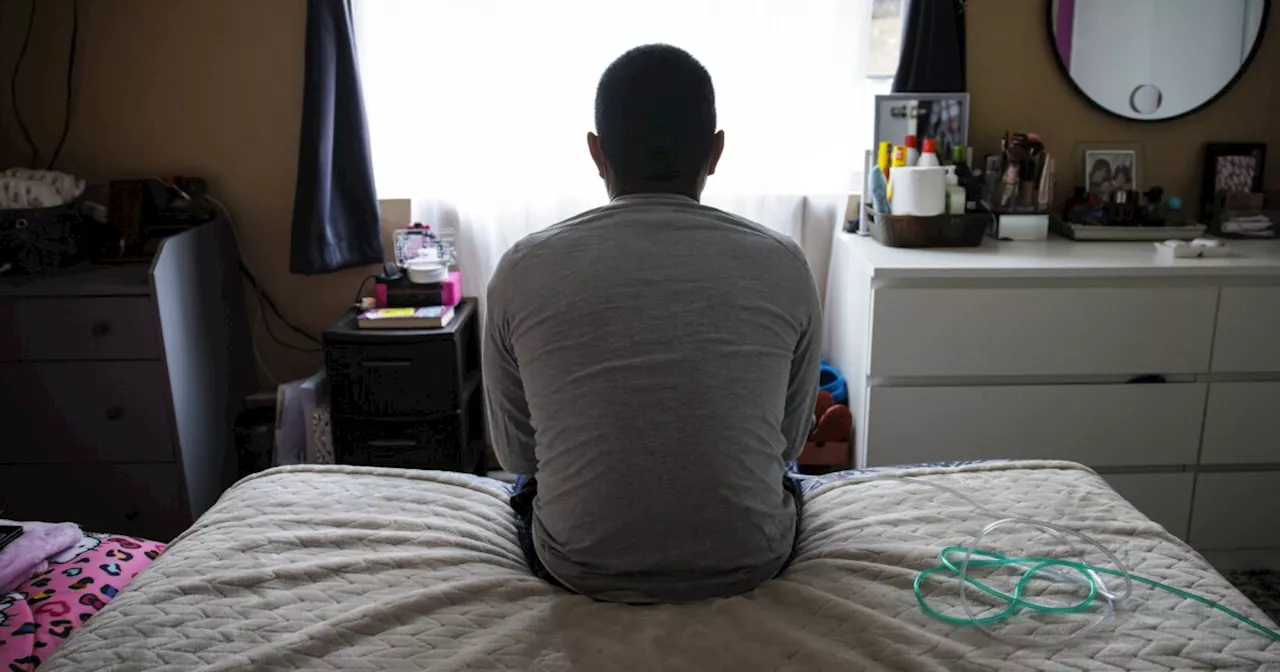
Tracey, a mother who requested anonymity, described her harrowing experience with her 15-year-old son, whose aggressive behavior has led to multiple emergency room visits. After seeking help from various programs, including short-term placements at the Albert J. Solnit Children’s Center, she found that continuous mental health support was lacking once her son returned home. “I don’t expect my child to be miraculously cured of his mental illness by any one service or program, but the repeated admissions—12 times to inpatient care, four times to residential treatment—raises questions about the system,” she stated.
Child protection attorneys have echoed her sentiments, revealing that often, children in the state’s welfare system face extensive waitlists for mental health programs. These delays can exacerbate behavioral issues, prolonging stays in shelters and complicating recovery efforts. “The need for more mental health providers is a systemic issue that demands legislative and departmental action,” said Sarah Eagan, executive director of The Center for Children’s Advocacy.
The urgency of the situation is underscored by a recent state audit, which indicated a significant increase in children missing from the care of the Connecticut Department of Children and Families (DCF) between 2021 and 2023. The audit criticized DCF for failing to conduct formal risk assessments for these children and highlighted that only 41% of children’s mental health needs were adequately met.
In a troubling review of child fatalities, the Office of the Child Advocate reported that while 90% of DCF case plans identified necessary services, only 49% had documentation confirming that those services were delivered. A DCF spokesperson defended the agency’s commitment to providing behavioral health services, stating, “Any child and family is able to access this system of care,” while acknowledging ongoing challenges in meeting all service needs.
The issue of service availability is further complicated by workforce shortages in community-based mental health services nationwide. DCF noted that these shortages impact the delivery of in-home and office-based supports, resulting in waiting lists for services. “Wait times can vary depending on the program, provider, and location,” the spokesperson added.
Legislators are now considering reforms for DCF in light of tragic incidents, including the death of 11-year-old Jacqueline “Mimi” Torres-Garcia, ruled a homicide by the state’s Chief Medical Examiner. This case, along with the audit’s findings, has sparked calls for increased transparency and oversight within the department.
Ingrid Swanson, a staff attorney at New Haven Legal Assistance, highlighted the challenges faced by families seeking mental health services. She recounted a case of a 4-year-old with significant behavioral problems who faced a wait of six to nine months for a more comprehensive intervention. “Six to nine months is nearly a quarter of his life,” Swanson noted, emphasizing the urgency of timely access to care.
Swanson also described how inadequate support often results in children being placed in emergency rooms or shelters for extended periods, further complicating their mental health needs. “It exacerbates what is already a difficult situation,” she said, while acknowledging DCF’s efforts to find resources.
The need for additional funding and services is clear. Rachel Levine, a family and juvenile law attorney, commented on the systemic issues at play, stating, “DCF needs more funding and to find more services.” Eagan pointed out that DCF has lost approximately $150 million since 2010 while still managing around 30,000 new cases each year.
Advocates have noted that the lack of mental health services can have profound impacts on children, often leading to involvement with the juvenile justice system. Levine detailed a case of a girl with significant behavioral needs who was shifted to a Specialized Trauma-Informed Treatment Assessment and Reunification (STTAR) program, which is often a last resort for youth. “We had to fight for six months to get her back into school,” she explained.
The situation remains dire for many families navigating the mental health landscape in Connecticut. Dana Simoni, a child protection attorney, emphasized the critical need for reform, stating, “The mental health services are abysmal, with waitlists for everything.”
The overwhelming consensus among advocates is that urgent action is needed to address the systemic gaps in child mental health services. Without significant changes, children in Connecticut may continue to struggle, facing long wait times and inadequate support in a system that is failing to meet their needs.