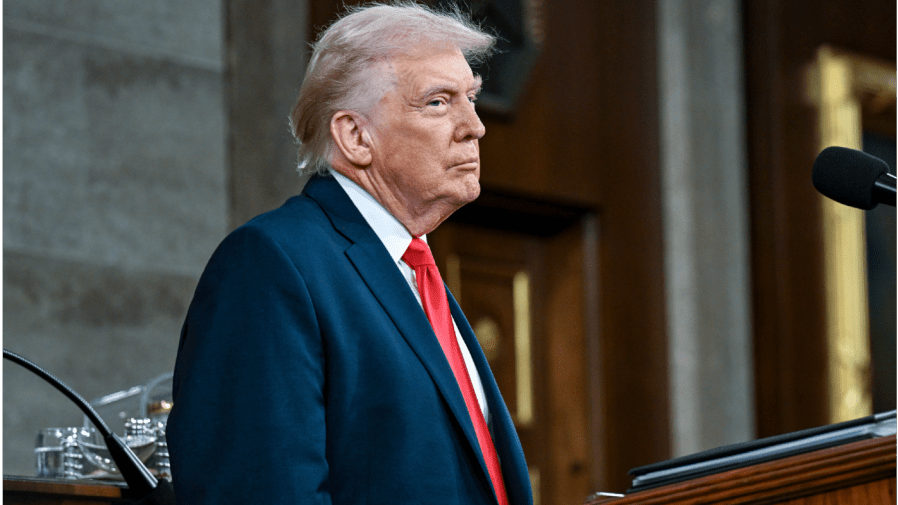
The trade policies implemented during the administration of former President Donald Trump have significantly altered the landscape of global commerce. His administration’s approach, characterized by a perception of trade as a zero-sum game, has led to rising tensions between the United States and its trading partners. This perspective frames trade relations as a contest where one nation’s gain is inherently another’s loss.
Economic data reveals the consequences of these policies. In March 2023, the United States recorded trade deficits exceeding $500 billion with major partners, notably China and the European Union. These figures highlight the stark contrasts in trade balances that have emerged in the wake of tariffs and restrictive trade measures introduced during Trump’s presidency.
Impact on Key Trading Partners
The imposition of tariffs on various imports, particularly from China, aimed to protect American manufacturing and jobs. However, this strategy also led to retaliatory actions from affected countries. For instance, China responded with its own tariffs on American goods, escalating trade tensions that had long-term implications for both economies. The World Trade Organization (WTO) noted that such measures often disrupt not only bilateral trade but also have ripple effects across global supply chains.
Furthermore, Trump’s trade policy shifted the dynamics of North American trade. The renegotiation of the North American Free Trade Agreement (NAFTA) resulted in the creation of the United States-Mexico-Canada Agreement (USMCA). While this agreement aimed to benefit American workers, critics argue that it has not fully addressed the underlying challenges faced by U.S. industries.
Long-term Consequences and Current Landscape
As the world moves forward, the implications of Trump’s trade policies continue to resonate. The ongoing tensions between the United States and China have prompted a reevaluation of supply chain dependencies. Companies are now seeking to diversify their supply sources to mitigate risks associated with geopolitical uncertainties.
The Biden administration has inherited the complex legacy of these trade policies. Although some tariffs remain in place, there is an ongoing discussion about how to balance protectionist measures with the need for global cooperation. As the international community grapples with these changes, the future of trade relations remains uncertain.
In conclusion, the trade policies enacted during Trump’s presidency have reshaped the global economic landscape. Understanding the nuances of these policies is critical for navigating the ongoing challenges and opportunities in international trade. The repercussions of viewing trade as a zero-sum game are evident, and their effects will continue to influence economic relations for years to come.