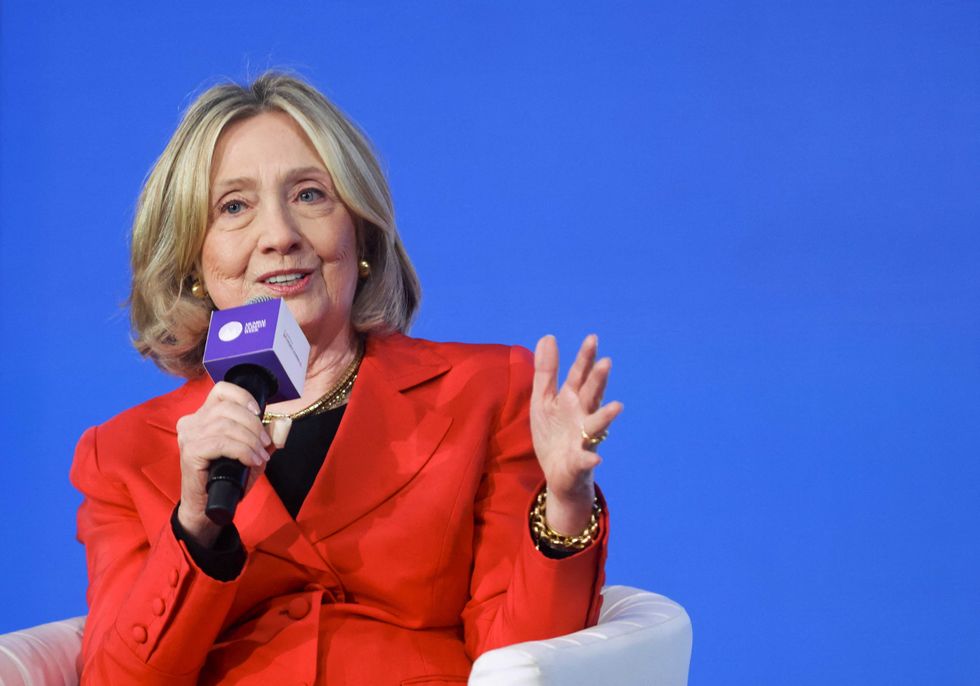
Political tensions continue to rise as the Republican Party intensifies its scrutiny of former President Bill Clinton and former Secretary of State Hillary Clinton regarding their connections to Jeffrey Epstein. In a recent testimony to the House Oversight Committee, Hillary Clinton stated she had no relevant information and could not recall meeting Epstein, while Bill Clinton’s past associations with Epstein are well-documented. Observers are questioning the motives behind this renewed focus, suggesting that the Clintons may be strategically outmaneuvering their opponents.
Rep. Lauren Boebert (R-CO) has drawn attention for allegedly leaking photographs from Hillary Clinton’s private deposition. Critics argue this move was intended to silence potential discussions about the broader implications of the hearings, particularly regarding transparency. Clinton herself advocated for media access to the proceedings, emphasizing the need for openness in political accountability.
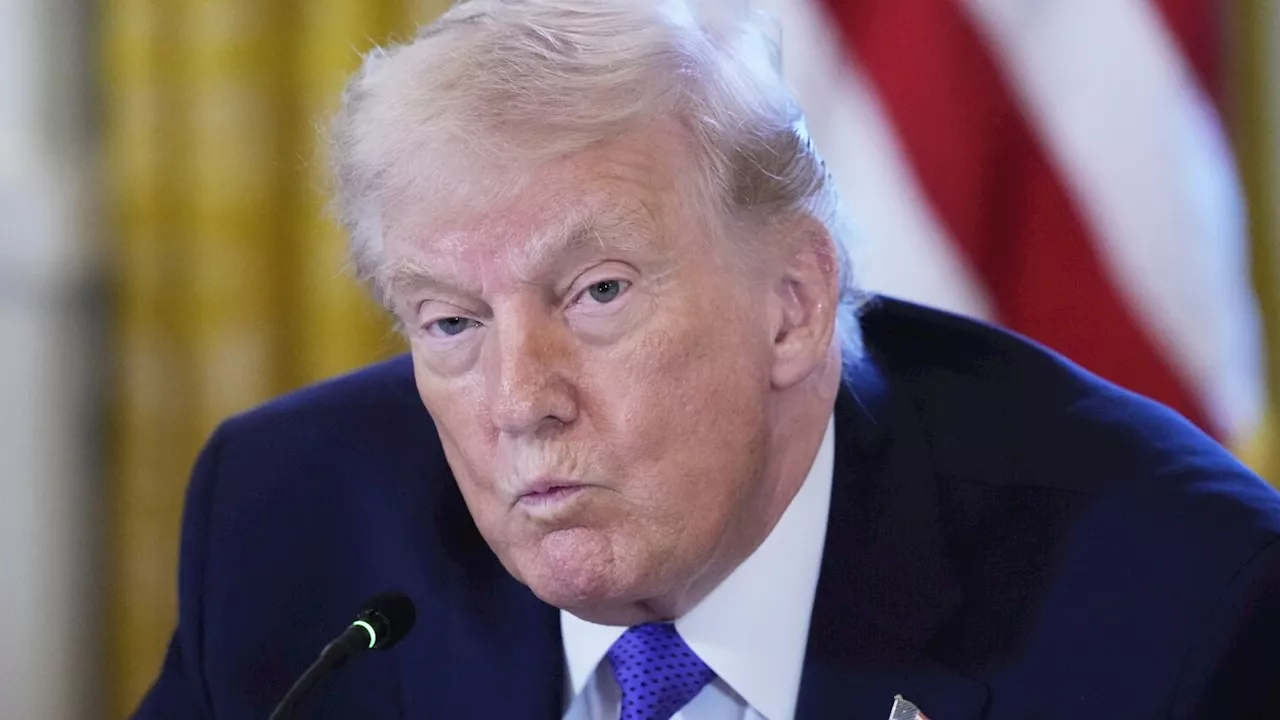
In contrast, discussions surrounding Donald Trump and his alleged involvement with Epstein have garnered less attention, despite serious accusations against him, including alleged sexual assault of a minor. Key documents related to these allegations have reportedly gone missing, raising suspicions about political coverups. The lack of transparency surrounding these documents has led commentators to speculate whether it is an attempt to obscure Trump’s activities.
Controversial Appointments and Political Decisions
Recent appointments within the Trump administration have sparked controversy as well. Dr. Casey Means, nominated for the role of U.S. Surgeon General, has faced criticism for lacking an active medical license and identifying primarily as a “wellness influencer.” Critics argue that this reflects a broader trend of appointing individuals with questionable qualifications to significant positions, raising concerns about the direction of U.S. health policy.
The administration’s approach to immigration policy has also come under fire. Some commentators assert that Trump’s strategies reflect a desire to undermine established institutions, drawing parallels to historical instances of political manipulation. For example, the establishment of detention camps has raised eyebrows, with allegations suggesting they may serve more to enrich Trump’s associates than to address immigration issues effectively.
Political analysts are observing Trump’s potential intentions regarding Iran, with some speculating that he may be inclined to pursue military action regardless of ongoing diplomatic negotiations. This stance raises alarms about the possibility of escalating tensions in the region.
Public Sentiment and Election Implications
The fallout from Trump’s recent State of the Union address has been significant, with many within the Republican Party expressing concern about its impact on upcoming midterm elections. Observers note a growing consensus that Trump’s approach may not align with the party’s broader electoral strategy, potentially jeopardizing Republican chances to regain control of Congress.
The political landscape in California has also become contentious, as multiple Democratic candidates vie for the governorship. Analysts warn that the presence of numerous candidates could lead to vote-splitting, inadvertently paving the way for Republican victories in the state, which could have far-reaching consequences for national politics.
As the political climate continues to evolve, commentators remain vigilant about the implications of these developments. The narrative surrounding Trump’s administration, the ongoing scrutiny of the Clintons, and the broader electoral strategies will likely shape the political discourse in the months leading up to the midterm elections.
Ray Richmond, a seasoned journalist and adjunct professor at Chapman University, provides ongoing commentary on these issues, emphasizing the need for accountability and transparency in political leadership.