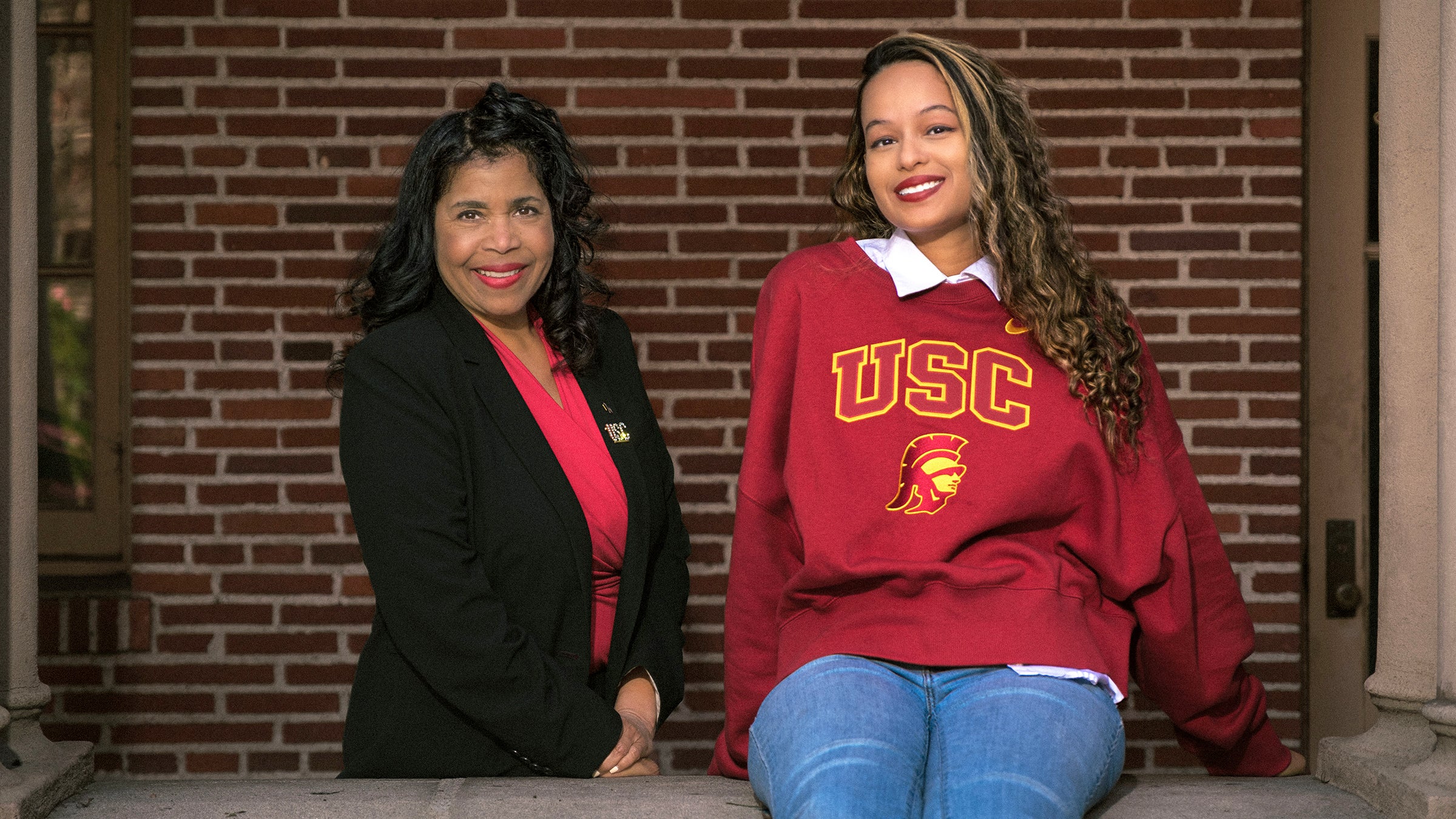
At the University of Southern California (USC), graduate student Cyan Shreve and longtime employee Lori Shreve Blake discovered a remarkable ancestral connection while forging their paths in academia. Both women are descendants of Mary Ann Shadd Cary, an influential abolitionist and the first Black woman in North America to publish a newspaper. This revelation occurred during a career advising appointment that transformed into a personal reunion.
Connecting Through History
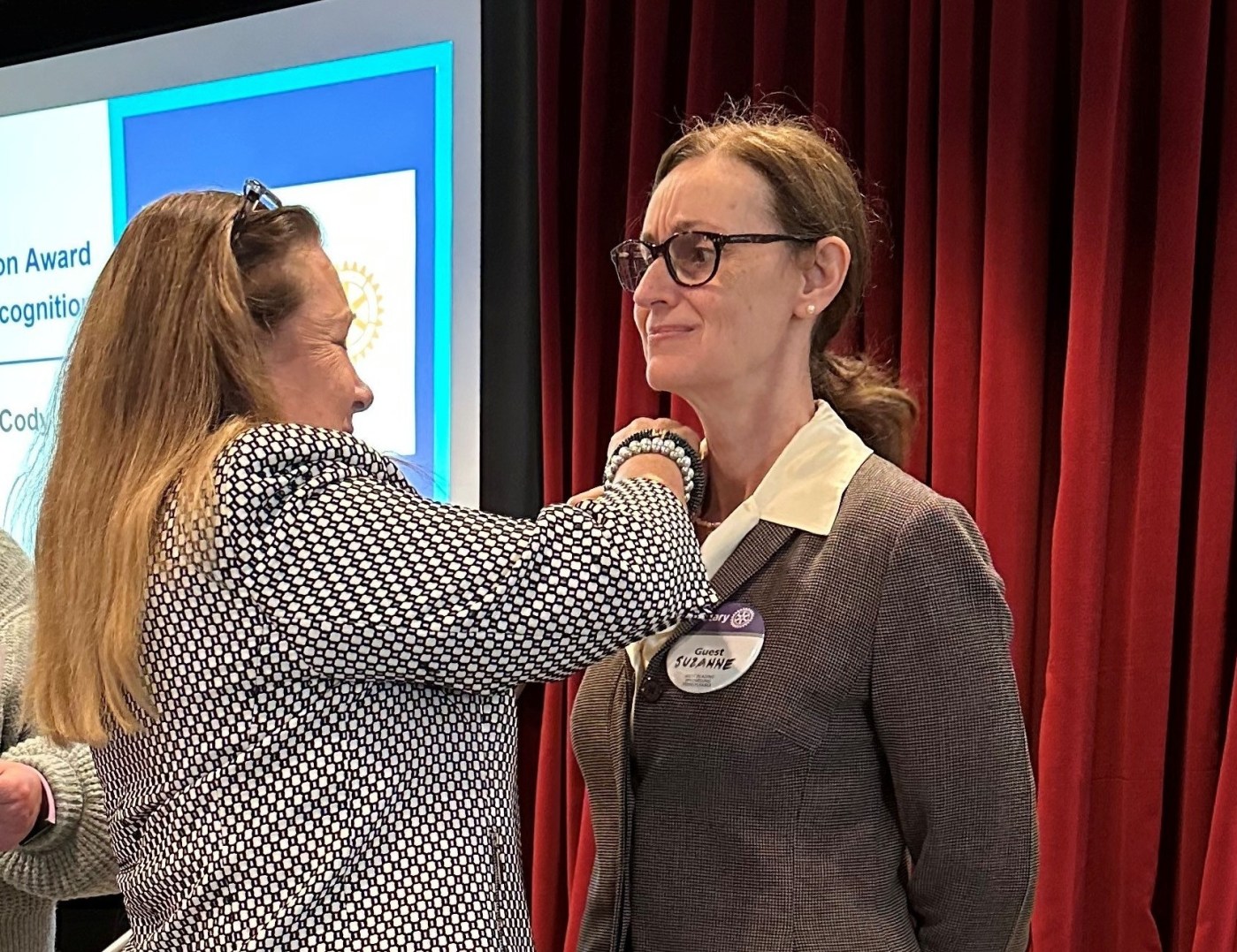
The meeting began when Shreve attended a USC Black Alumni Association Welcome Pinning Ceremony, where she noted Blake’s name among the speakers. Intrigued, she reached out to arrange a career advising session. During their conversation, the two women uncovered their shared lineage to Shadd Cary, who was not only a pioneer in journalism but also a key figure in the fight against slavery.
“Mary Ann Shadd Cary has long been our hero,” Blake stated. “I always knew I had this great-great-great-aunt who did marvelous things to help people be free.” This connection adds a profound layer to their relationship as they continue to explore their family history together.
The Legacy of Mary Ann Shadd Cary
Mary Ann Shadd Cary, born free in 1823 in Delaware, was raised in an abolitionist household. Her family operated a station on the Underground Railroad, assisting enslaved individuals in their escape to freedom. At the age of ten, Shadd Cary moved to Pennsylvania, where she established a school for Black children, advocating for education at a time when such opportunities were scarce.
In 1851, she relocated to Canada following the passage of the Fugitive Slave Act, which intensified the peril for escaped enslaved people in the United States. In her new home, she opened a school for refugees and taught racially integrated classes long before desegregation was recognized in the United States.
“She is one of those people who can inspire so many in terms of what you can do to help a community despite the odds surrounding you,” Shreve said. “I think it’s important to tell the stories of these kinds of people.”
Shadd Cary also made her mark as a journalist, publishing the Provincial Freeman. Initially, she used her initials to disguise her identity as a woman, demonstrating her awareness of the societal limitations placed on Black women in the 19th century. Allissa V. Richardson, an associate professor at USC Annenberg, emphasized Shadd Cary’s impact on journalism and civic leadership, stating, “She carved out a public sphere where Black intellect, mobility, and self-determination could flourish across borders.”
Building Family Connections at USC
Since their initial meeting, Shreve and Blake have developed a close relationship, spending holidays together and sharing in the excitement of discovering family history. Blake, who had previously chosen to keep her maiden name, remarked on the significance of this connection. “There is this whole other arm of the Shreve family that I now know,” she said, expressing her eagerness to connect with newly discovered relatives.
Shreve, who is currently writing a film about her ancestor, reflects on the influence of Shadd Cary on her work and identity. “It’s remarkable to be able to write something about a family member who inspires you,” she added. “I’m proud that she is my great-great-great-great-aunt.”
Richardson noted the importance of the discovery, stating, “Shadd Cary believed in education, in mobility, and in using knowledge as a bridge. Her legacy continues to bind generations in the work of possibility.”
As they delve deeper into their family history, both women are not only celebrating their common heritage but also honoring the legacy of a remarkable ancestor whose contributions to society continue to resonate today.