President Donald Trump recently signed an executive order endorsing a controversial pesticide known for its potential health risks, prompting strong reactions from advocacy groups. The decision, announced on March 15, 2024, aligns with the goals of the “Make America Healthy Again Movement,” which has been a pivotal part of Trump’s campaign strategy for the upcoming election.
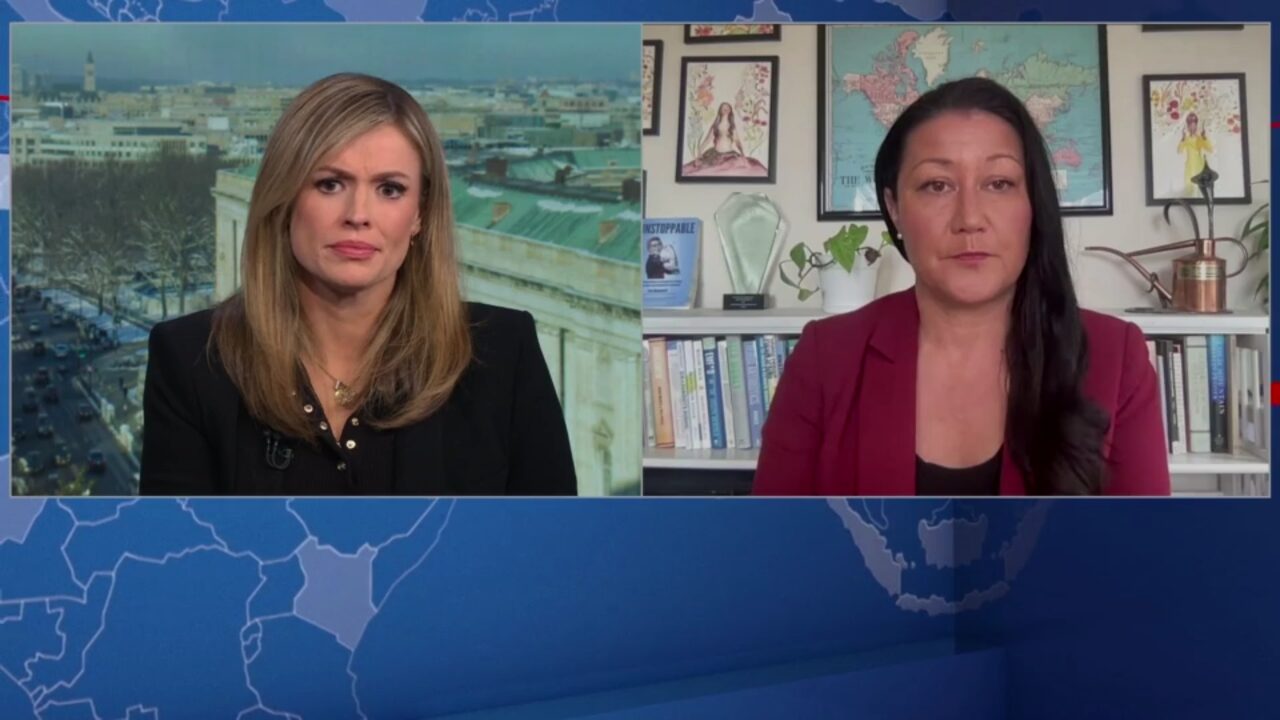
In an interview with CNN, Zen Honeycutt, the Founder and Executive Director of Moms Across America, expressed her outrage over the order. She highlighted concerns regarding the pesticide’s safety and its implications for public health, particularly for children and families. This executive action has reignited debates surrounding agricultural practices and environmental health in the United States.
Health Advocacy Groups Respond
Honeycutt’s organization, which focuses on raising awareness about the dangers of toxic chemicals in food and the environment, has been vocal in its opposition to the use of harmful pesticides. She emphasized that the recent decision undermines efforts to promote healthier agricultural practices. “This is a step backward for our communities and for the health of our children,” Honeycutt stated during the interview.
The executive order has raised alarms among various health advocacy groups and environmentalists who argue that such chemicals can lead to long-term health issues, including developmental disorders and cancer. The backlash against Trump’s decision reflects a growing concern among parents and health advocates regarding the safety of food products and their impact on public health.
Political Implications Ahead of 2024 Elections
The timing of this executive order is significant, as it comes just months before the 2024 presidential election. The “Make America Healthy Again Movement” has been a cornerstone of Trump’s campaign, aiming to appeal to voters concerned about health and environmental issues. However, the support for the pesticide has put the movement at odds with a segment of the electorate that prioritizes health and safety over agricultural interests.
Political analysts suggest that this decision could influence voter sentiment, particularly among suburban families who are increasingly concerned about health-related issues. The growing divide between agricultural policies and health advocacy may become a focal point in the upcoming campaign, as candidates navigate the complexities of public opinion on environmental health.
As the debate continues, advocacy groups like Moms Across America have vowed to remain vigilant in their efforts to challenge policies they view as detrimental to public health. The organization plans to mobilize its base and engage in further advocacy to raise awareness about the potential dangers associated with the pesticide endorsed by the Trump administration.
In conclusion, Trump’s executive order has not only reignited discussions about pesticide safety but has also set the stage for a politically charged atmosphere as the election season approaches. As stakeholders from various sectors weigh in, the implications for health policy and agricultural practices remain to be seen.