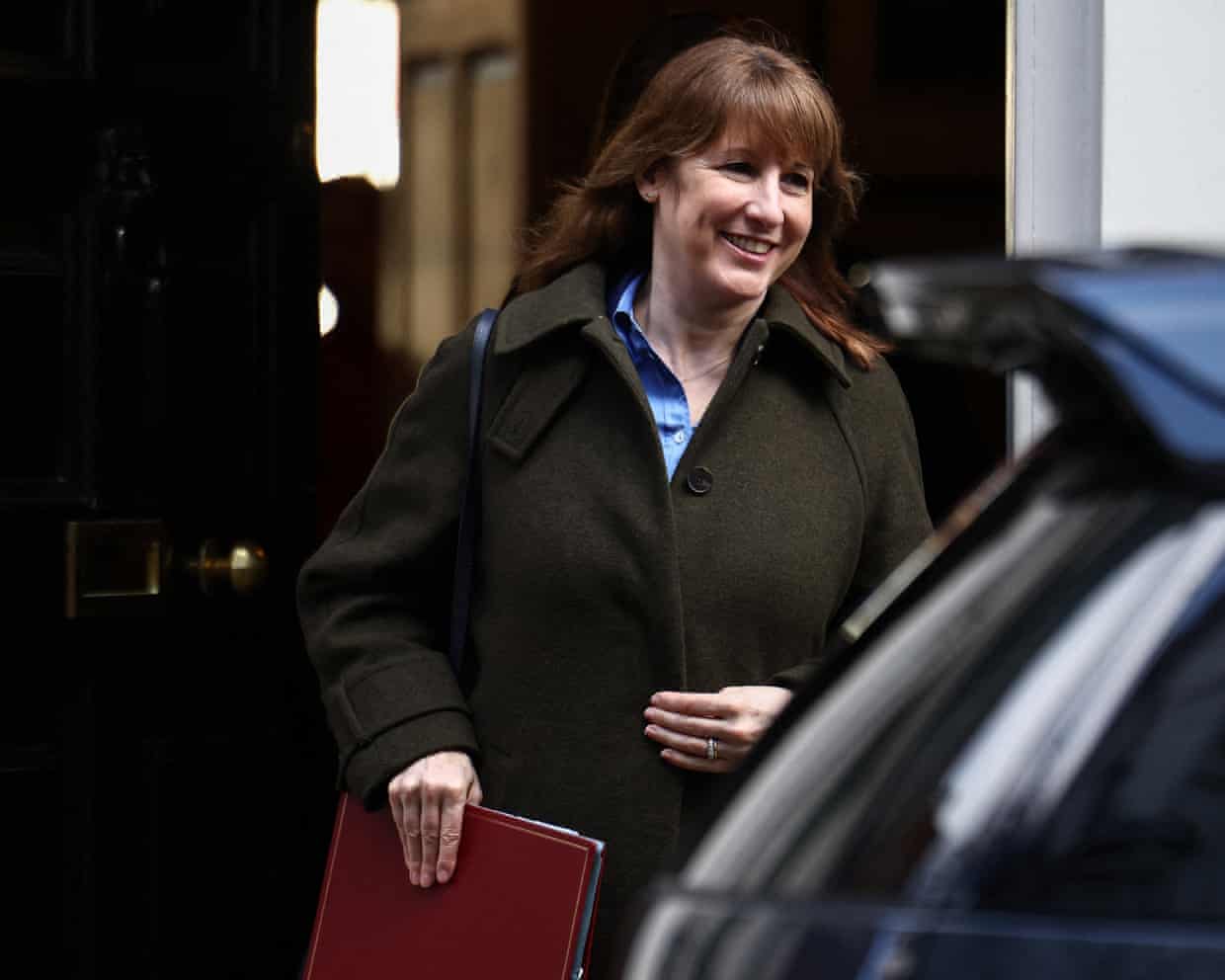
Recent figures indicate that the UK economy is experiencing a temporary uplift, driven by record tax receipts and lower inflation. However, significant challenges remain, as public finances continue to face considerable strain. The upcoming spring statement on March 3, 2024, delivered by Labour MP Rachel Reeves, is expected to highlight both cautious fiscal management and a message of optimism regarding economic recovery.
Despite the positive news, many Labour MPs are pushing for immediate reforms to address issues that have persisted over the past 15 years. Their demands for increased spending may clash with the government’s focus on maintaining fiscal discipline. Reeves is likely to face pressure from her party to adopt a more aggressive stance on public spending, reminiscent of the approach taken by former Prime Minister Liz Truss, who advocated tax cuts as a means to stimulate growth.
The recent data showing a record £130 billion in tax receipts for January 2024 has fueled calls for increased government expenditure. Additionally, a drop in inflation from 3.4% in December to 3% in January has raised expectations that the Bank of England may lower interest rates from 3.75% to approximately 3% by year-end. These developments could ease the cost of living crisis impacting many households and provide some relief to public finances.
Challenges to Sustained Economic Growth
Despite the positive indicators, significant vulnerabilities persist within the UK economy. Much of the recent tax revenue surge is attributed to an increase in capital gains tax (CGT), driven by individuals liquidating assets ahead of potential tax increases. This trend suggests that the revenue boost may not be indicative of long-term growth prospects.
Forecasts from the Office for Budget Responsibility (OBR) predict that UK borrowing will reach approximately £130 billion, representing nearly 4.5% of the national income. Analysts caution that this figure raises concerns about the government’s fiscal responsibility, particularly as it contemplates deeper budget cuts across various departments to sustain funding for critical services like the NHS and education.
Reports from the County Councils Network reveal a looming financial challenge, with an estimated £6 billion in funding still unaccounted for concerning support for children with special educational needs. Additionally, projections suggest that transport costs for these children could exceed £3.5 billion by 2030, further straining public resources.
Investment and Economic Confidence
Despite these hurdles, there are signs of renewed confidence among businesses, with many directors indicating a willingness to invest after a prolonged period of hesitation. A revitalization of private sector investment is crucial, as it has been largely absent since the 2008 financial crisis. Improved retail sales in January, driven by consumer demand for electronic goods, further underscores this potential for economic recovery.
While the immediate outlook may appear encouraging, government officials and economists emphasize the importance of fiscal prudence. The government must navigate the delicate balance between stimulating growth and managing public finances. The lingering effects of high youth unemployment and the need for increased investment in infrastructure and services remain critical areas of concern.
As the UK prepares for Reeves’ upcoming statement, the dichotomy between calls for increased spending and the reality of constrained public finances will be at the forefront of political discourse. The challenge will be to foster economic growth without succumbing to the allure of unsustainable fiscal policies, a lesson learned from recent history.