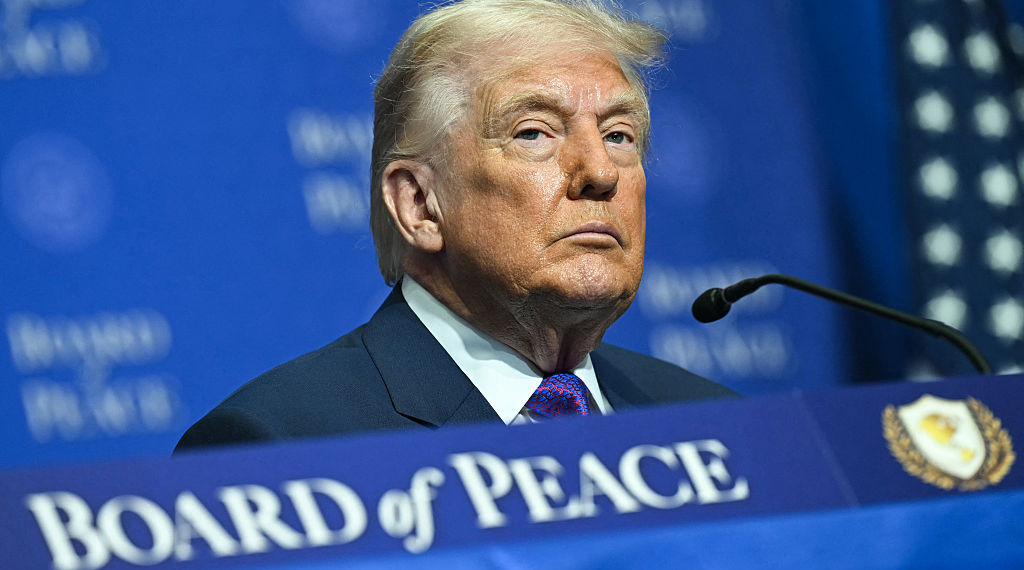
The newly established Board of Peace, led by President Donald Trump, convened its inaugural meeting on March 15, 2024, at the U.S. Institute of Peace in Washington, D.C. This summit, which brought together representatives from approximately 40 countries, notably lacked participation from several key U.S. allies, including the United Kingdom and France, who expressed concerns regarding the potential implications for the United Nations’ role in global peacekeeping.
Among the attendees were notable figures such as Hungarian Prime Minister Viktor Orbán and Argentinian President Javier Milei, both of whom have aligned themselves with Trump’s agenda. The meeting began with Trump playing his well-known campaign rally songs, setting a spirited tone for the event. Participants were provided with red hats styled after Trump’s campaign merchandise, featuring the slogan “USA.”
Trump, along with Vice President JD Vance, Secretary of State Marco Rubio, and U.S. Special Envoy Steve Witkoff, emphasized the meeting’s goal of fostering international peace. “What we’re doing is very simple — peace,” Trump stated, acknowledging the complexity of achieving such an objective. He characterized the initiative as one of the most significant endeavors he would undertake during his presidency.
The summit is expected to include the announcement of a multi-billion-dollar reconstruction plan for Gaza. Over the weekend, Trump indicated that more than $5 billion has already been pledged for this initiative, although he did not specify the countries involved. The president is also anticipated to reveal plans for a United Nations-authorized stabilization force in Gaza, which could involve contributions of several thousand troops from various nations.
A senior U.S. official confirmed that the meeting would address a range of efforts related to humanitarian assistance, the administration of Gaza, and the proposed International Stabilization Force. This comprehensive approach highlights the complexities of the ongoing situation in the region.
Despite the ambitious plans outlined at the summit, the absence of major allies has raised concerns about the potential ramifications for international cooperation. Countries such as Norway, Sweden, and Slovenia have opted not to participate, citing fears that the meeting could undermine the established role of the United Nations in peacekeeping efforts globally.
As the Board of Peace embarks on this significant initiative, the extent of its impact remains to be seen, particularly in light of the mixed reactions from the international community. The future of global peace initiatives may hinge on the outcomes of this meeting and the subsequent actions taken by the involved nations.