
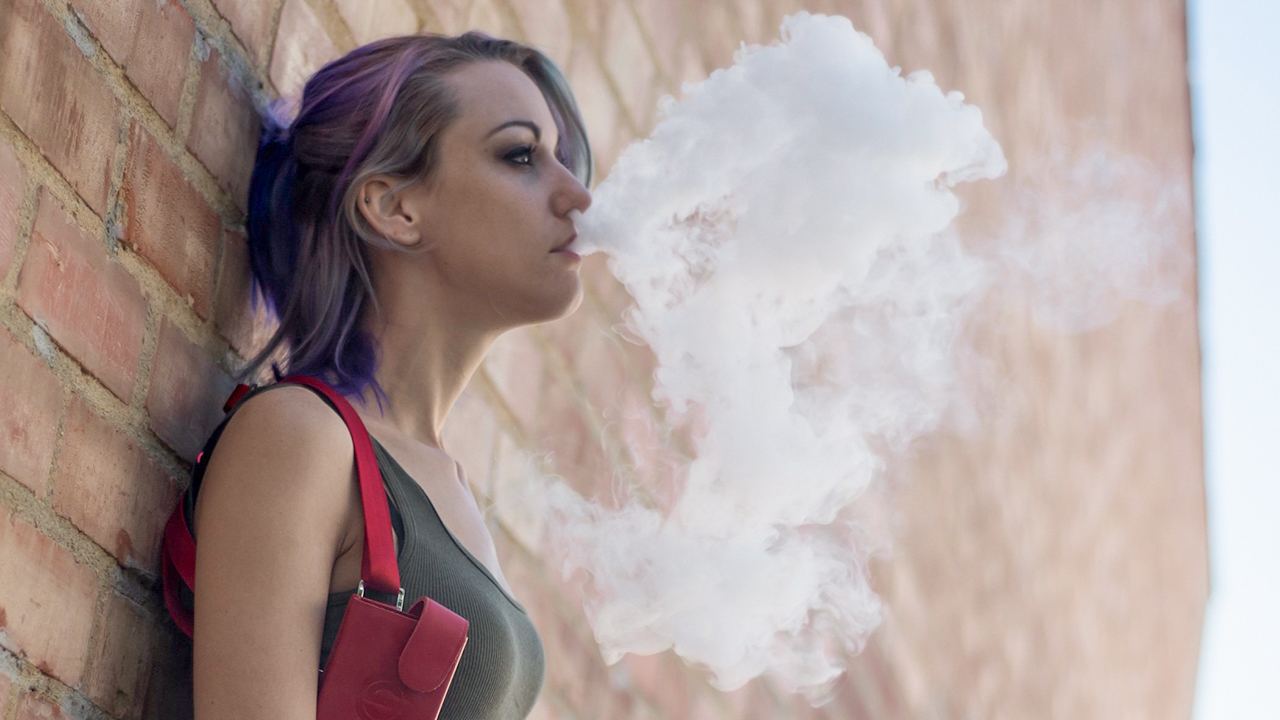
Lawmakers in Florida are advancing legislation that could significantly restrict public smoking across the state. If enacted, new regulations would prohibit smoking and vaping in numerous outdoor locations, including sidewalks, pools, restaurant patios, beaches, and even inside vehicles when children or pregnant women are present.
The proposed legislation encompasses two companion bills: Senate Bill 986 and House Bill 389. Both bills aim to modernize the Florida Clean Air Act by expanding the definition of “public places” to include streets, highways, public parks, beaches, and common areas surrounding schools and hospitals, as well as apartments, offices, restaurants, airports, and stores.
Senate Bill 986 outlines its intent clearly, stating: “Smoking in Public Places; Defining the term ‘public place’; revising the definition of the terms ‘smoking’ and ‘vape’ or ‘vaping’; prohibiting smoking or vaping a marijuana product in public places in this state, with exceptions.” Similarly, House Bill 389 revises legislative intent and prohibits smoking in public spaces while making exceptions for certain situations.
The measures would ban smoking or vaping of tobacco, marijuana, and other substances in these designated areas, addressing what advocates describe as gaps in current regulations that primarily focus on indoor environments.
Legislative Support and Opposition
Sponsored by Republican Sen. Joe Gruters, with co-sponsors including GOP Sen. Ana Maria Rodriguez and Democrat Sen. Darryl Rouson, the bills are gaining traction as Florida navigates the implications of legalizing recreational marijuana. In the House, Rep. Alex Andrade, a Republican from Pensacola, leads the charge on House Bill 389.
Should these bills receive approval and subsequently be signed into law by Gov. Ron DeSantis, the new restrictions could take effect as early as July 1, 2026. Proponents of the legislation argue that the expansion is crucial for public health, particularly in a state known for its outdoor lifestyle.
The proposed laws would also impose stricter regulations on airport customs smoking rooms, declaring them as no-marijuana zones. Additionally, stand-alone bars would need to demonstrate that food sales do not constitute more than 10% of their revenue to maintain their smoking exemptions. Supporters assert these measures align with a constitutional mandate to enhance public health and environmental quality while not infringing upon approved medical or research uses of tobacco or marijuana products.
Concerns Over Personal Freedom
Despite the push for stricter regulations, opponents of the bills contend that these measures intrude upon personal freedoms and could severely limit designated areas for smokers. Critics argue that the extensive ban would leave few public spaces where individuals can smoke, raising concerns about enforcement and compliance in daily life.
Current laws in Florida already prohibit public smoking of marijuana by medical users and vaping in indoor workplaces. With the ongoing evolution of the state’s marijuana laws, the proposed changes are both timely and contentious. Opponents fear that the implementation of these laws could create additional enforcement challenges for individuals in their everyday lives.
As discussions continue, the outcome of these bills will significantly impact public smoking norms in Florida, potentially reshaping the landscape for smokers amid changing attitudes towards marijuana use.


