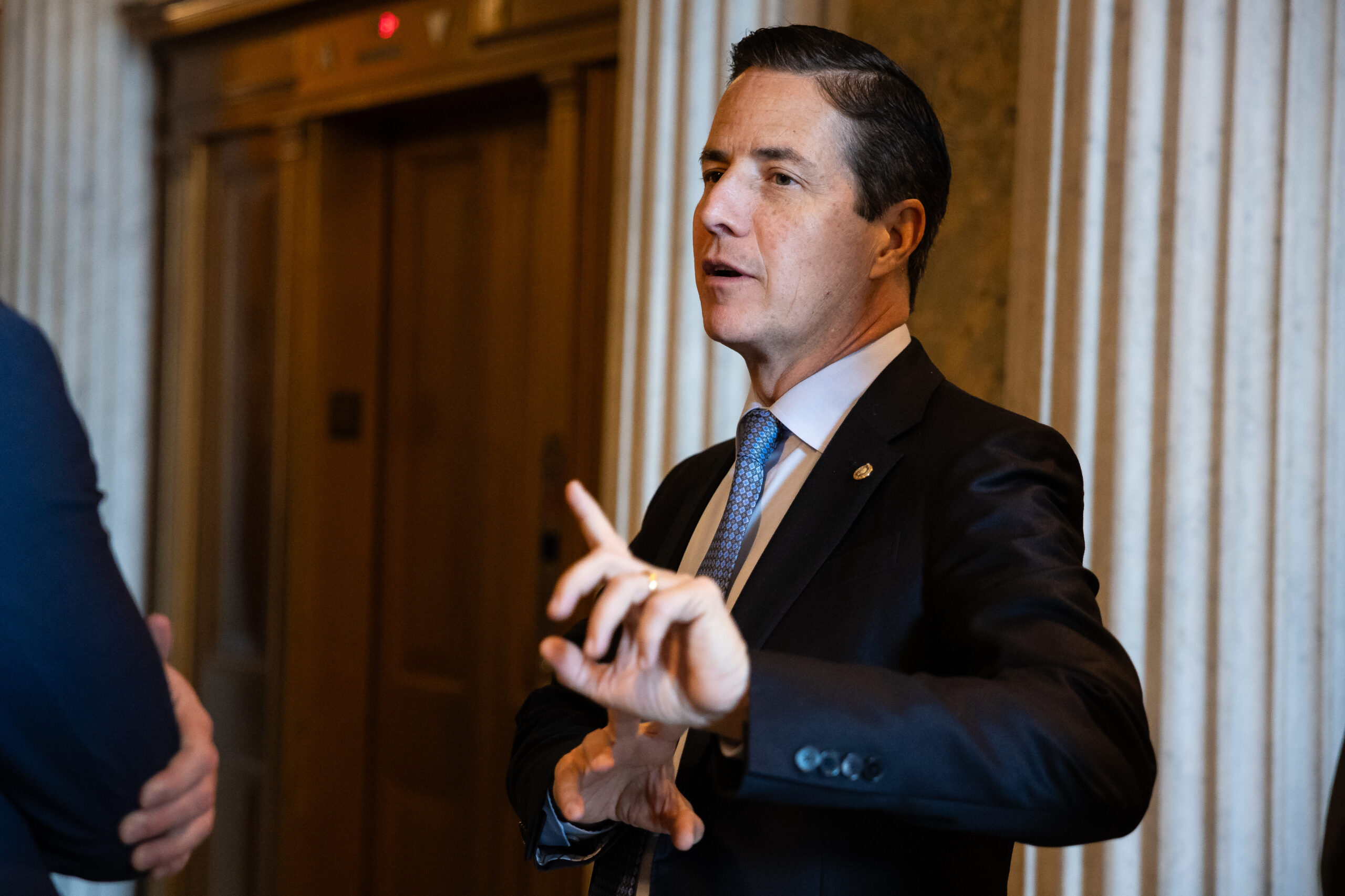
Lawmakers in the United States Congress have struggled to address the escalating premiums associated with the Affordable Care Act, commonly known as Obamacare. Despite repeated warnings about potential increases, negotiations aimed at stabilizing these costs faced significant delays, leaving millions of Americans at risk of higher healthcare expenses.
The situation emerged as health insurance premiums are projected to rise by approximately 30% in 2024, a sharp increase that could affect over 13 million Americans who rely on subsidized health coverage. The lack of action from Congress has raised concerns about the sustainability of health insurance markets and the ability of families to afford necessary medical care.
Political Gridlock and Delayed Solutions
The inability to reach a consensus has been attributed to ongoing partisan divides between Democrats and Republicans, with both sides failing to agree on a long-term strategy. According to the Department of Health and Human Services, the anticipated premium hike is a direct result of rising healthcare costs and inflation, yet legislative solutions remain elusive.
In late March 2024, members of Congress were presented with a proposal aimed at providing approximately $500 million in subsidies to offset these rising costs. However, negotiations stalled, primarily due to disagreements over the allocation of federal funds and the potential impact on the federal budget. Lawmakers expressed concerns that extensive spending could lead to increased deficits.
Impact on American Families
The ramifications of this inaction are significant. Families facing higher premiums may have to make difficult choices regarding their healthcare options, potentially leading to reduced access to necessary medical services. Experts warn that without timely intervention, the healthcare system could see a decline in enrollment as individuals opt out due to unaffordable costs.
In addition to immediate financial impacts, the long-term consequences of rising premiums could destabilize the insurance market as healthier individuals may choose to forgo coverage, leading to a less balanced risk pool. The Congressional Budget Office has already indicated that if current trends continue, the costs associated with the Affordable Care Act could exceed $900 million by the end of the decade.
As the negotiations continue, grassroots organizations and advocacy groups are mobilizing to urge Congress to take immediate action. The future of healthcare coverage for millions now hinges on the ability of legislators to navigate their differences and find common ground.
The spotlight remains on Congress as the deadline for implementing necessary changes approaches. With the health and financial well-being of American families at stake, the pressure is mounting for lawmakers to act decisively and responsibly.