Fayette Township, Michigan, is grappling with strong community opposition to a proposed solar farm project that could significantly alter the landscape and impact local residents. The Heartwood Solar II initiative aims to establish a 140-megawatt facility, covering approximately 1,000 acres east of Jonesville, adjacent to an existing solar project currently under construction.
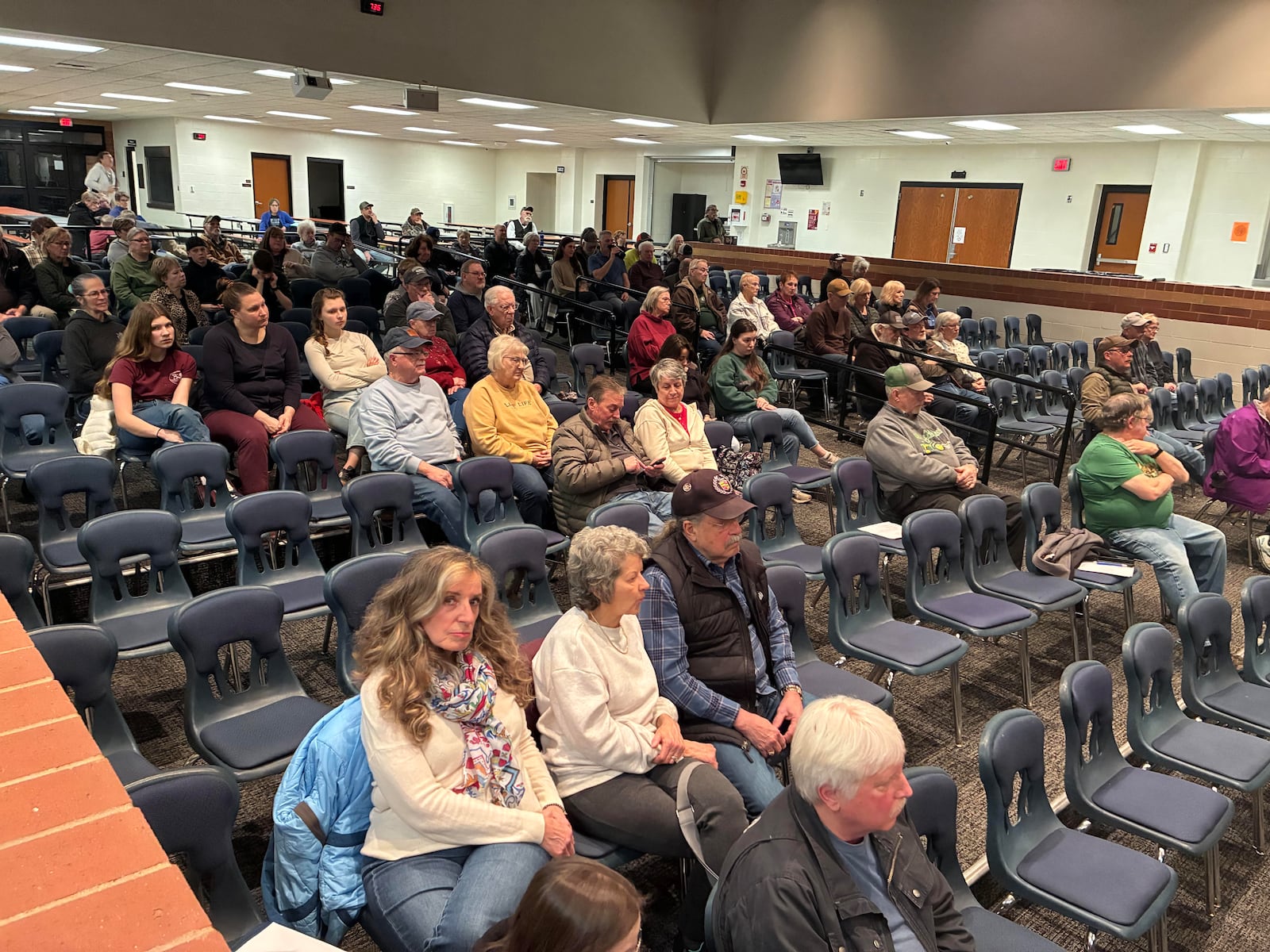
At a township board meeting on February 16, 2024, Elizabeth Mann, a local resident whose home was destroyed by fire two years prior, expressed her distress over the project. “It’s like losing my home twice,” said Mann, reflecting the sentiments of many residents who gathered at Jonesville High School. Approximately 100 attendees voiced their concerns about the proposed solar farm, which would encroach upon rural areas where livestock currently graze.
In response to the growing opposition, the township board has tasked the planning commission with reviewing a proposed renewable energy ordinance. This ordinance aims to ensure local oversight of the solar project, as required by a 2023 state statute. Township Supervisor Nate Baker recused himself from the discussions due to a conflict of interest, as his father has agreed to lease land to the solar project developer, Ranger Power, which is based in Chicago.
The proposed solar projects represent a combined investment of about $300 million and are expected to generate substantial revenue through property taxes. Without the compatible renewable energy ordinance, Ranger Power could bypass local authority and seek direct approval from the Michigan Public Service Commission, a move that would expedite their plans under recently passed legislation aimed at increasing renewable energy sources.
Residents have raised multiple concerns regarding the aesthetic and environmental impacts of the solar panels. Steve Oleszkowicz, a vocal opponent of the project, has been advocating for the ordinance, believing it to be crucial for maintaining the township’s character. He noted, “Property rights end where harm to others begin,” and cited studies suggesting potential declines in property values for homes near solar installations.
Chester Briner, another resident directly affected by the project, articulated his worries about wildlife. “I don’t want to lose the animals we see. I just can’t believe the eagles are going to be around here when we have solar panels on 800, 900 acres of property,” he said during the meeting.
The planning commission has yet to set a date for a public hearing, as they must provide at least 15 days’ notice prior to the event. Meanwhile, the township board has hired a Portage law firm to provide legal counsel on zoning regulations, responding to residents’ calls for independent advice.
Under Public Act 233, applicants for solar projects must take into account the environmental impacts on sensitive habitats, waterways, and wildlife. A representative from Ranger Power previously stated that the company strives to ensure their projects are compatible with agricultural uses and offers options for vegetative screens to mitigate aesthetic concerns.
As the situation unfolds, the Fayette Township community remains divided over the potential benefits and drawbacks of the proposed solar farm, highlighting the complex balance between renewable energy development and local interests.