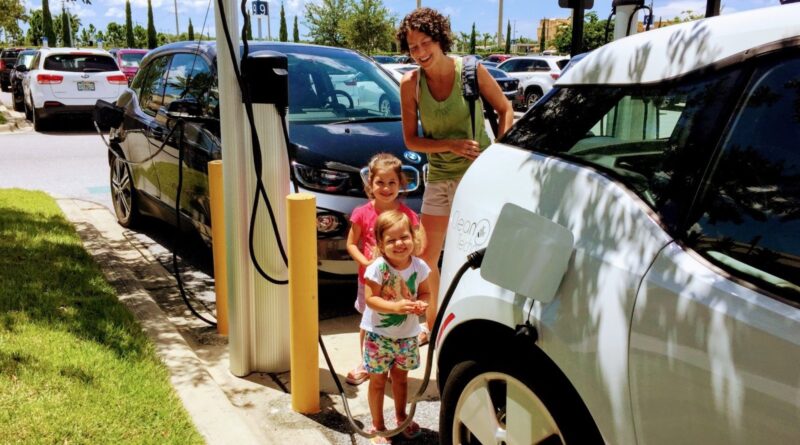
In a significant milestone for the electric vehicle (EV) sector, ChargePoint has announced that it facilitated over 100 million EV charging sessions in the past year. This achievement highlights the growing adoption of electric vehicles and the expanding infrastructure to support them.
The data released by ChargePoint, a leading provider of EV charging solutions, underscores a broader trend in the automotive industry. Metrics often discussed in relation to electric vehicles include price, range, energy efficiency, and charging speed. However, the total number of charging sessions provides a compelling perspective on the collective behavior of EV owners and the increasing demand for charging facilities.
Surging Demand for EV Infrastructure
According to ChargePoint, the trend is not just a reflection of increased EV sales. In 2025, U.S. fast-charging networks are projected to have provided an estimated 141 million charging sessions, marking a roughly 30% year-over-year increase. This surge indicates that the rising adoption of EVs has directly led to heightened usage of charging networks rather than simply an accumulation of idle capacity.
Rick Wilmer, Chief Executive Officer at ChargePoint, noted the shift in how the industry measures charger demand. “New EV sales are no longer the primary benchmark for charger demand; it is the total number of EVs on the road,” he stated. He emphasized that nearly 60% of the 19.3 billion electric miles enabled by ChargePoint over the past 18 years occurred within the last two years. This trend suggests that those investing in charging infrastructure can expect a quicker return on investment as utilization increases.
Environmental Impact of Electric Vehicles
The transition from gasoline to electric vehicles also has significant environmental implications. ChargePoint estimates that since 2007, its services have helped avoid the consumption of 714 million gallons of gasoline. This shift has resulted in over $2 billion in savings for drivers and a reduction of more than 4.5 million metric tons of greenhouse gas emissions.
Electric vehicles produce no direct toxic air pollution, leading to cleaner air in urban areas where they are commonly driven. This shift has health benefits, particularly in reducing the incidence of diseases linked to fossil fuel emissions, such as cancer and respiratory ailments. While the debate about climate change continues in some circles, the tangible benefits of transitioning to electric vehicles are becoming increasingly evident.
The number of EV charging sessions facilitated by ChargePoint not only highlights the growing acceptance of electric vehicles but also emphasizes the importance of developing a robust charging infrastructure. As more drivers make the switch to electric, the demand for accessible and efficient charging solutions will only continue to rise.