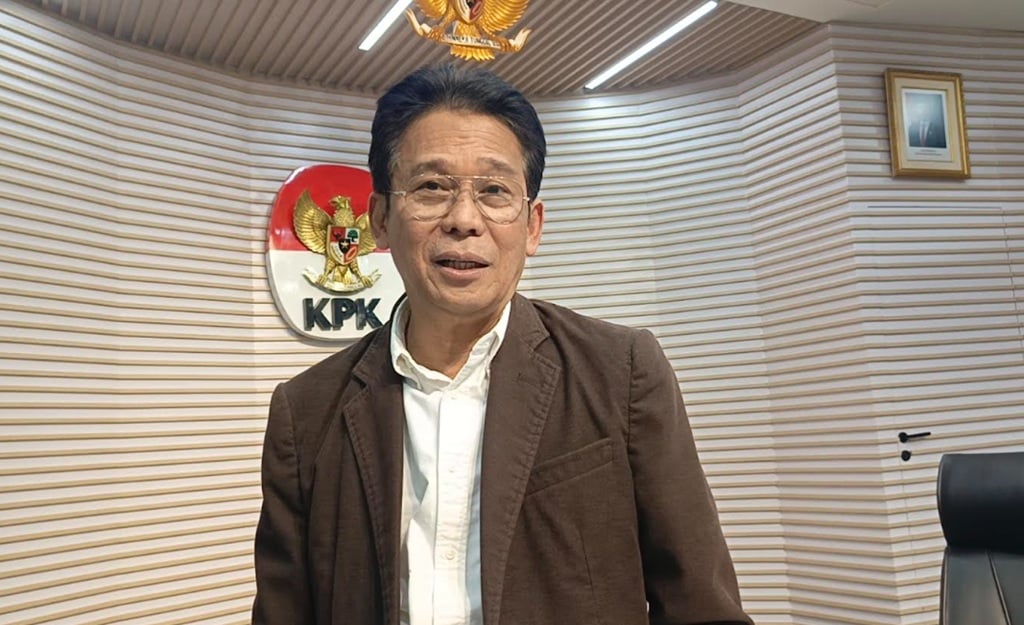
The debate surrounding Indonesia’s anti-corruption framework intensified as President Joko Widodo expressed support for reverting the Komisi Pemberantasan Korupsi (KPK) law to its previous version. This announcement has prompted a strong response from Johanis Tanak, the Vice Chairman of the KPK, who emphasized the significance of the law beyond mere political convenience.
In a conversation on February 15, 2026, Tanak criticized the notion of treating the law like a loaned item that can simply be returned when deemed unnecessary. “What is there to return? The law is not an item that can be borrowed and then returned after use,” he stated. His comments highlight a fundamental concern about the integrity of Indonesia’s anti-corruption efforts.
Tanak reiterated that the KPK remains focused on preventing and combating corruption within the existing legal framework. He pointed out that the agency operates under both the old and new KPK laws. The implementation of the new law has clarified the legal status of KPK employees as civil servants, a change that Tanak argues is crucial for the organization’s independence.
Call for Independence and Structural Clarity
In his remarks, Tanak stressed that for the KPK to function independently, it must be recognized within the judicial branch. He proposed that the KPK, alongside the Supreme Court (Mahkamah Agung), should be clearly positioned within the judicial system. “If we want the KPK to work independently without interference from other agencies, the changes to the KPK law should reflect its placement within the judicial framework,” Tanak explained.
This ongoing dialogue about the KPK law reflects wider concerns about governance and the fight against corruption in Indonesia. As the government navigates these complex issues, the effectiveness of the KPK in executing its mandate will hinge on the legal structure that governs it.
The implications of these discussions are significant, as they not only affect the operational capacity of the KPK but also influence public trust in Indonesia’s commitment to tackling corruption. As the situation develops, both the government and the KPK will need to address the concerns raised by stakeholders to ensure a robust anti-corruption framework that serves the interests of the Indonesian people.