Astronomers have discovered a substantial cave beneath the surface of Venus, marking a significant milestone in understanding the planet’s volcanic history. This finding, detailed in a study published in Nature Communications, strengthens the theory that Venus is extensively tunnelled with lava tubes, also known as pyroducts.
The cave’s identification is particularly noteworthy as it is the first direct evidence supporting long-held theories regarding volcanic activity on Venus. Coauthor Lorenzo Bruzzone from the University of Trento stated, “Our knowledge of Venus is still limited, and until now we have never had the opportunity to directly observe processes occurring beneath the surface of Earth’s twin planet.” The discovery enhances our understanding of how volcanic activity has shaped Venus over time.
Researchers have long speculated that Venus, with its surface peppered with tens of thousands of volcanoes and marked by volcanic plains and lava channels, may contain lava tubes. Previous studies have suggested signs of recent volcanic activity, indicating that the planet’s geological history has been profoundly influenced by volcanism. Nonetheless, direct evidence of these lava tubes has remained elusive until now.
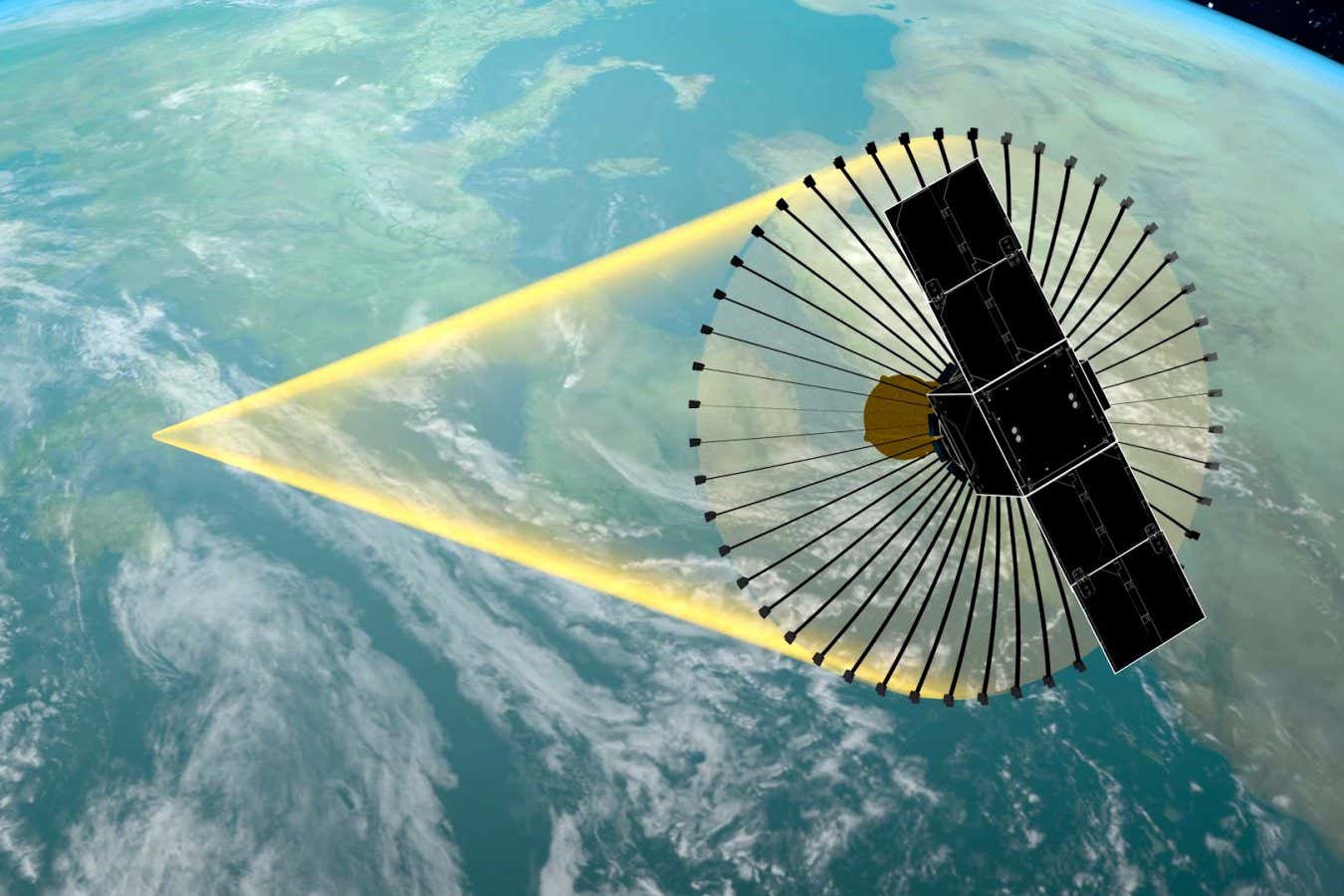
The challenging conditions on Venus complicate the observation of underground features. The planet is enveloped in a dense atmosphere of sulfuric clouds, which traps heat and results in surface temperatures exceeding 870 degrees Fahrenheit. As such, optical observations are ineffective. Instead, the researchers utilized data from NASA’s Magellan spacecraft, which conducted radar mapping of Venus between 1990 and 1992.
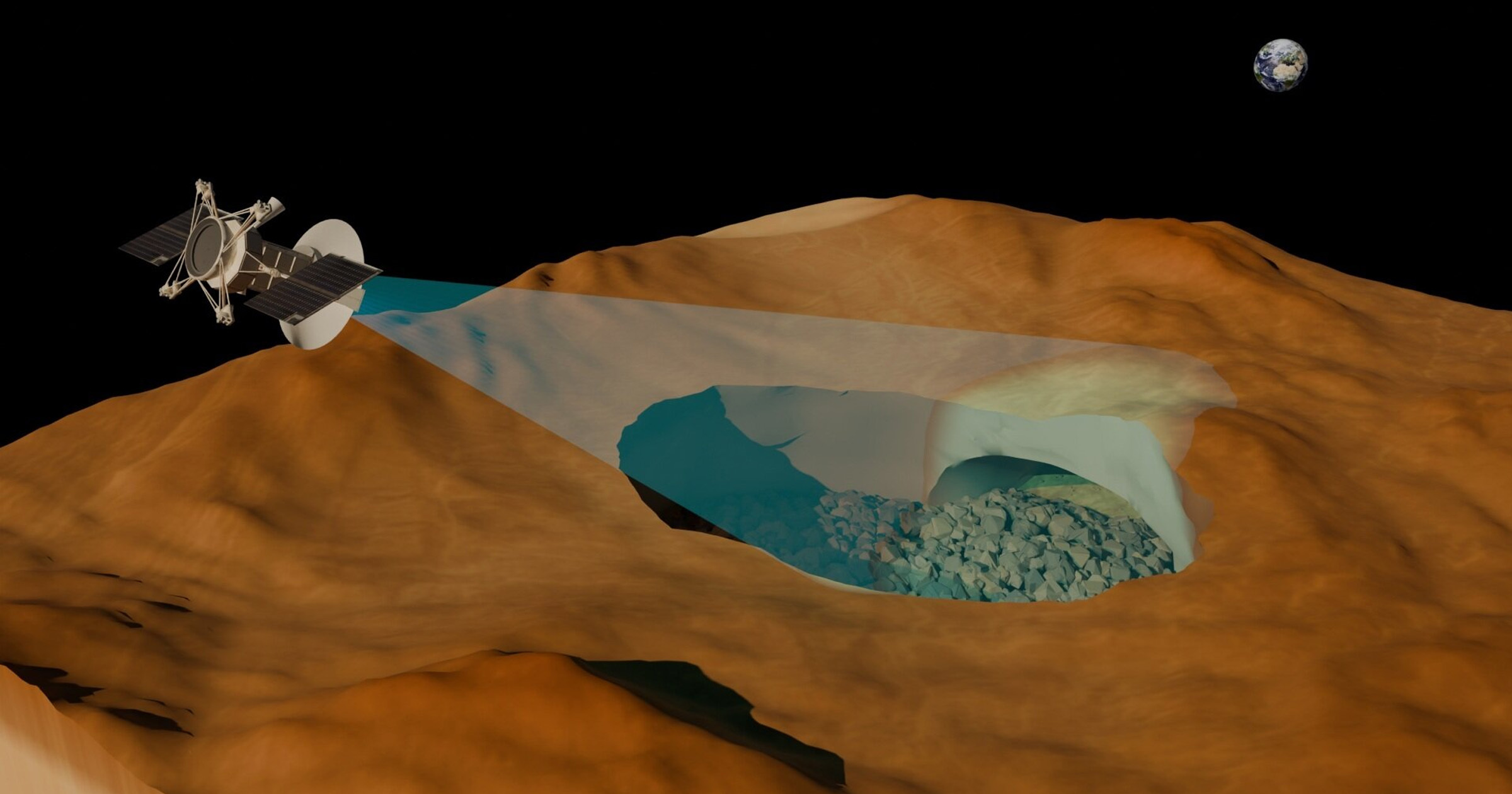
The team analyzed radar images to locate areas showing signs of localized surface collapse, employing a technique designed to identify underground conduits near skylights—openings formed when the roof of a lava tube collapses. Their analysis led to the discovery of a “large subsurface conduit in the region of Nyx Mons,” a shield volcano measuring approximately 225 miles in diameter. They propose that this conduit is a lava tube, estimated to be around one kilometer in diameter, surpassing similar structures found on Earth and Mars.
“The available data allow us to confirm and measure only the portion of the cavity close to the skylight,” Bruzzone explained. “However, analysis of the morphology and elevation of the surrounding terrain, along with the presence of other pits, supports the hypothesis that the subsurface conduits may extend for at least 45 kilometers.”
To validate this hypothesis and discover more lava tubes, the researchers emphasize the need for new, higher-resolution radar data capable of penetrating Venus’s surface layers. This research not only expands our knowledge of Venus’s geological features but also opens up new avenues for future exploration of the planet.
As scientists continue to investigate the mysteries of Venus, the discovery of this vast cave marks a pivotal moment in planetary science, shedding light on the dynamic processes that have shaped our neighboring planet.