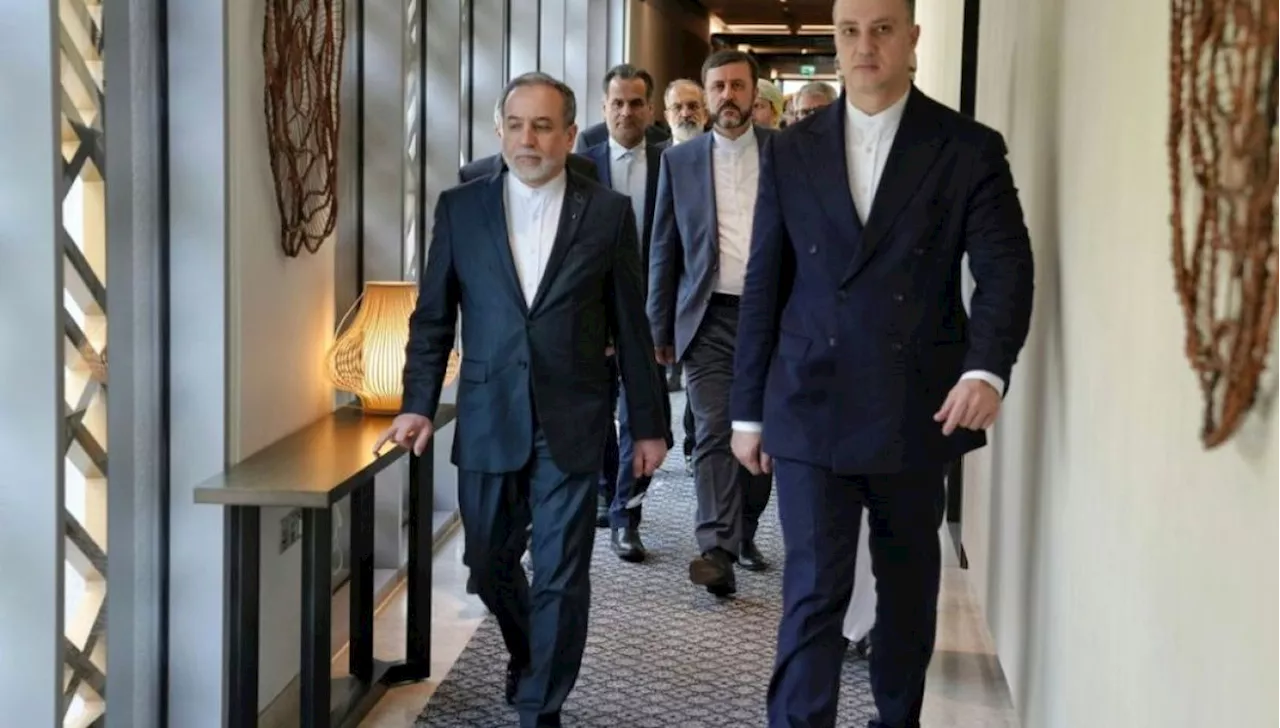
Negotiations between the United States and Iran regarding Tehran’s nuclear program are set to resume next week in Geneva. While the exact date has not been confirmed, Israeli outlet Channel 12 reported that the discussions are anticipated for Tuesday, February 13, 2024. This second round follows a prior meeting held on February 6, 2024, in Muscat, Oman, where Iranian Foreign Minister Abbas Araghchi met with U.S. officials, including President Donald Trump’s special envoy Steve Witkoff and son-in-law Jared Kushner.
The initial round of talks yielded minimal progress, as Iran has focused discussions solely on its nuclear program. The Iranian government maintains that nuclear enrichment is a sovereign right, a position that conflicts with the current U.S. administration’s stance.
Tensions escalated recently following a meeting between Israeli Prime Minister Benjamin Netanyahu and President Trump in Washington. Netanyahu expressed concerns about the scope of the negotiations, advocating for any agreement to encompass not just Iran’s nuclear program but also its ballistic missile activities and support for terrorist proxies.
In the backdrop of these discussions, President Trump faces significant pressure as public unrest in Iran grows. The Iranian security forces reportedly responded violently to recent anti-regime protests, resulting in thousands of civilian casualties. In light of these developments, Trump has reiterated his commitment to continuing nuclear negotiations while simultaneously increasing military presence in the region, including the deployment of a second U.S. aircraft carrier to the Middle East.
As the diplomatic landscape shifts, all eyes remain on how these negotiations will unfold. The international community is keenly observing whether a comprehensive agreement can be reached or if further military action will be considered. The outcome of these talks could have profound implications not only for U.S.-Iran relations but also for stability in the broader Middle East region.