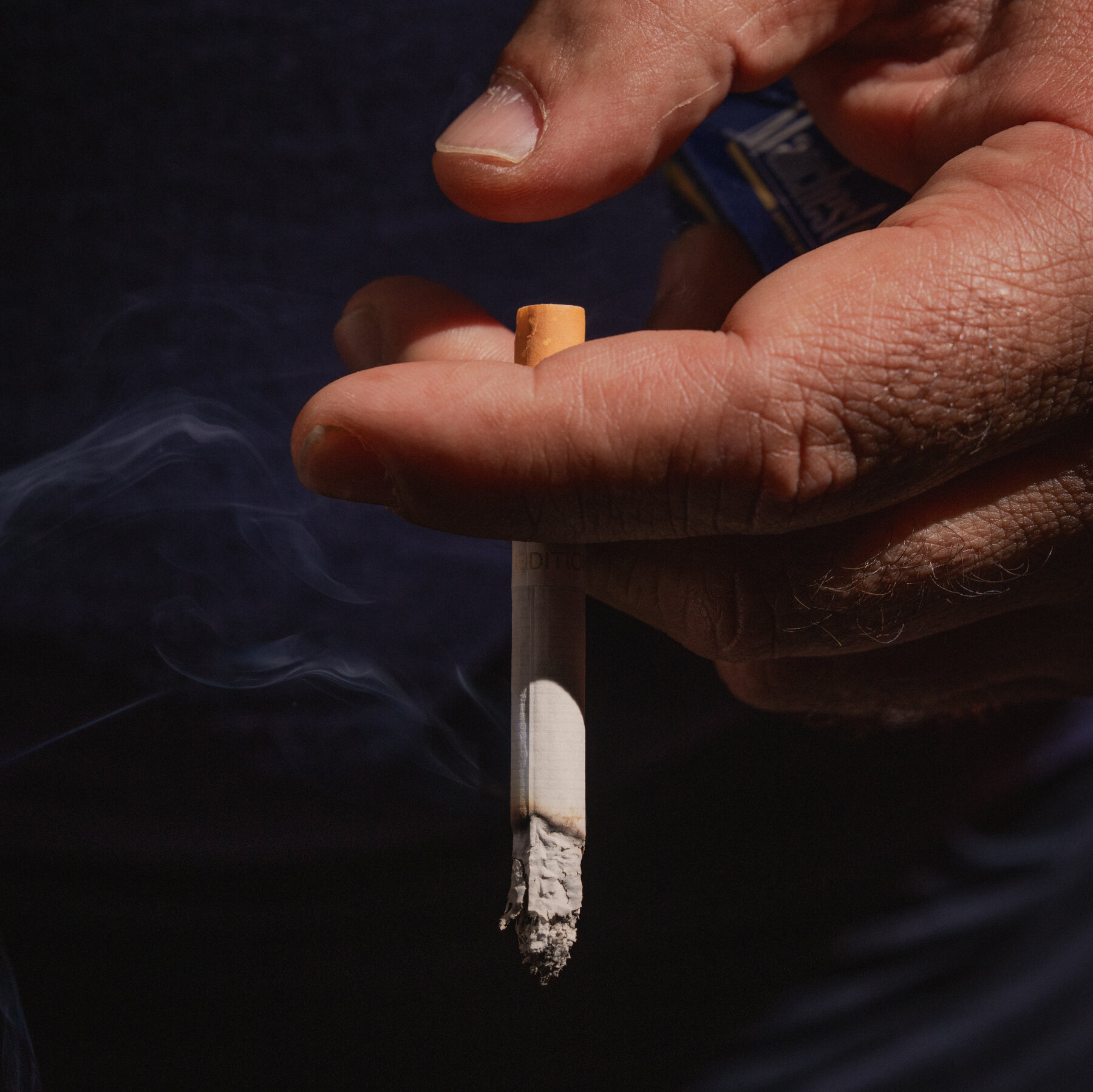
The implementation of significant tax increases on tobacco products has led to a surge in black market activity across Australia. With prices for cigarettes exceeding $40 per pack, many smokers are turning to illicit sources for their tobacco, fueling a multi-billion-dollar criminal enterprise in bootleg tobacco.
Australia holds the title for the highest cigarette prices globally, attributed to aggressive taxation policies aimed at reducing smoking rates. According to the Australian Taxation Office, excise taxes on tobacco have increased dramatically over the past decade, contributing to prices that push many consumers away from legal purchases.
The Australian Bureau of Statistics reports that nearly 30% of Australian smokers now seek out black market alternatives. This shift not only undermines public health initiatives but also poses significant challenges for law enforcement. The illicit trade in tobacco has become a lucrative business, with estimates suggesting it generates around $3 billion annually for criminal organizations.
In response to this growing issue, authorities are ramping up efforts to combat the illegal tobacco trade. Increased surveillance and harsher penalties for those involved in the distribution of bootleg tobacco are among the measures being considered. The Australian Federal Police are actively working with state agencies to track down and dismantle these operations.
The economic impact of this trend is profound. Legal tobacco sales have declined sharply, with legitimate retailers reporting significant losses. Small businesses are particularly affected, as they struggle to compete with the lower prices offered by black market suppliers. This trend raises questions about the long-term sustainability of tobacco control policies in Australia.
While the government aims to reduce smoking prevalence through taxation, the unintended consequence has been the flourishing of an underground market. As prices continue to rise, the allure of cheaper, illicit products becomes stronger for many consumers.
The ramifications of this situation extend beyond economics. Public health officials warn that the rise in black market tobacco could lead to an increase in health risks associated with unregulated products. Without proper oversight, the quality and safety of bootleg tobacco remain in question, potentially endangering consumers.
As Australia grapples with this dual challenge of public health and illegal trade, the focus remains on finding effective strategies to curtail the black market while maintaining efforts to reduce smoking rates. The delicate balance between taxation and accessibility will be crucial in shaping the future of tobacco control in the country.
With ongoing discussions about potential policy adjustments and enforcement strategies, the situation continues to evolve. The challenge for Australian authorities is to develop a comprehensive approach that addresses both the health objectives and the realities of an emerging black market.